By Kuda Pembere
The newly launched Multi-stakeholder Platform to strategize implementation of the Resilient African Feed and Fodder Systems (RAFFS) will among other issues seek to address the issue of food and nutrition security in Zimbabwe.
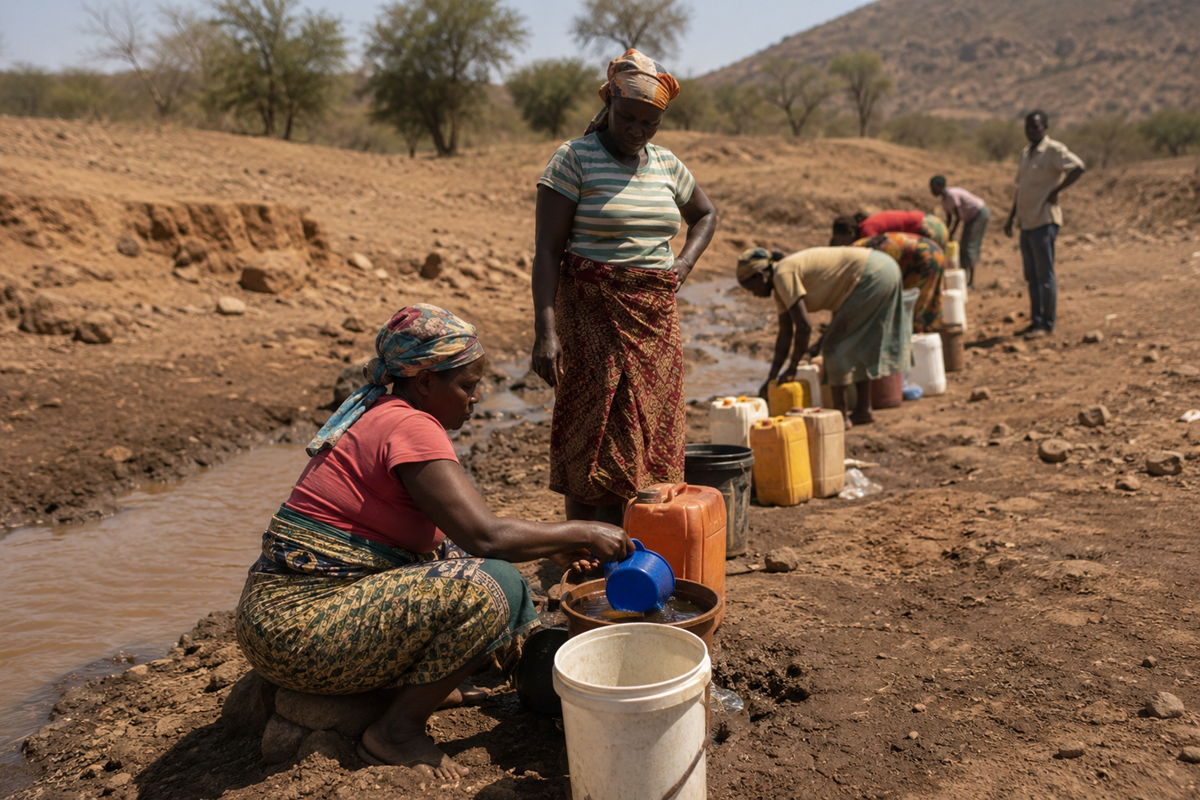
With Zimbabwe not being spared by the effects of the El Nino induced drought, this has affected the food and nutrition security to an extent that an estimated 2.6 million people, including 1.7 million children, are projected to require urgent humanitarian assistance in the country, according to a UNICEF report.
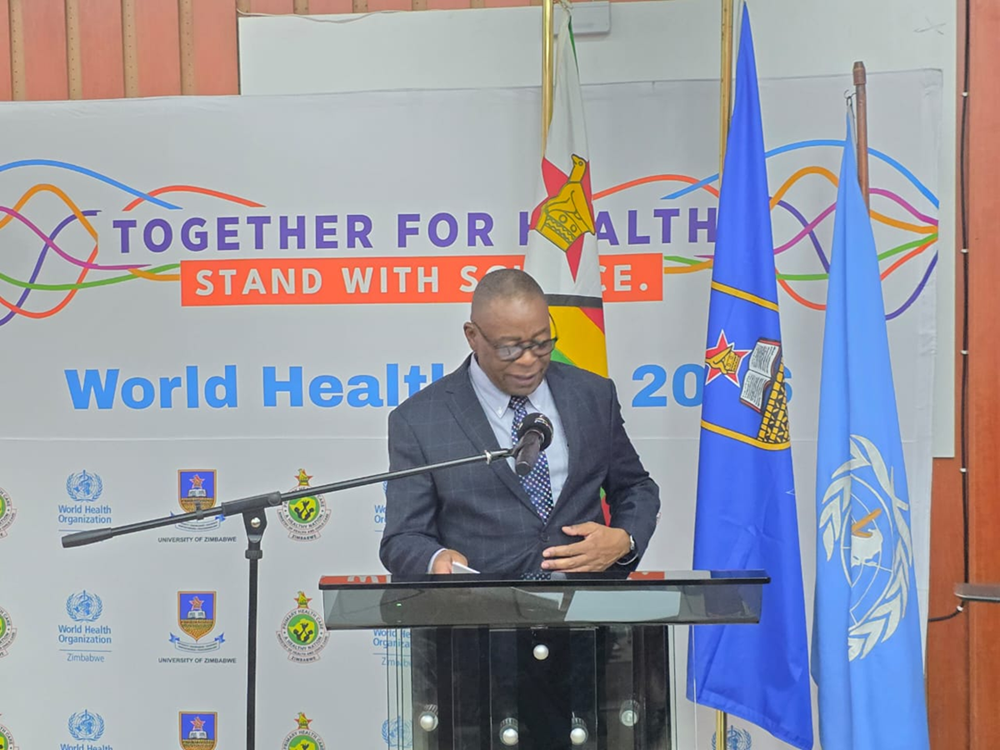
Speaking at the launch hosted by the African Union Interafrican Bureau for Animal Resources (AU-IBAR) which is supporting Zimbabwe in the implementation of the Resilient African Feed and Fodder Systems (RAFFS) Deputy Minister of Lands, Agriculture, Fisheries and Rural Development Dr Davi Marapira said the formation of the MSP is a giant step towards setting the project in motion, at a time the nation is striving to build resilience in the feed and fodder sector to reduce livestock deaths due to hunger.
Zimbabwe is the fifth of the six African countries to set up an MSP. Other countries where the RAFFS project is implemented include Nigeria, Kenya, Cameroon, Uganda and Somalia.
“This is a program which came into Zimbabwe at a very important time when our country is in a drought situation, an El Nino drought Situation.
“We need feed for our cattle and other livestock. We need fodder. So the development of fodder is very critical. Fodder will reduce the cost of production of animals and if all players, all farmers who are here and the participants can do their best and listen properly on their deliveries to make sure that we will we come up with one concrete thing, that Zimbabwe is going to grow its own feed and folder for the animals and reduce the cost of production of our livestock,” he said.
AU-AIBAR team lead for the RAFFS project Dr Sarah Ashanut Ossiya stated the MSP should look into opportunities where youths can get jobs in the feed and fodder sector.
“So this MSP will also impact on increased production of more affordable, livestock sourced foods and capacity for trade, harnessing regional and continental opportunities, job creation especially for women and children and addressing in conflict between herders and crop farmers,” she said. “We have an MSP, a multisector platform, supporting and running with the issues of food and fodder so that these problems can be solved one by one until we get closer to our result of feeding our countries without having to import these very important foods for the nutrition of our people.”
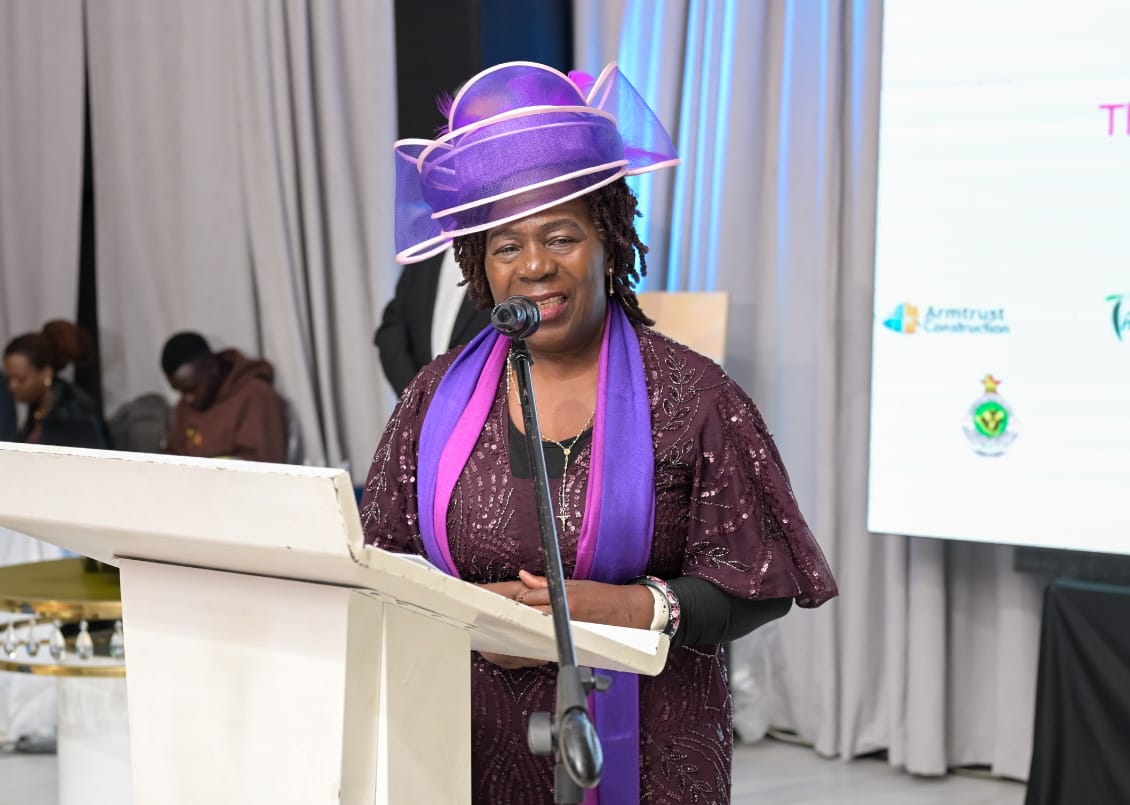
The MSP chair Dr Nathaniel Makoni explained various professions are actively involved in the platform including women groups like the Zimbabwean chapter of the African Women In Animal Resources Farming and Agribusiness Network (AWARFA-N).
“The multi-stakeholder platform is now initiated to be an inclusive platform or organization that addresses squarely the feed or fodder challenges or shortages. It’s inclusive in the sense that it includes everyone of importance and the banks, the finance, the women groups like AWARFA-N, the research and the research organizations, and we are looking at the farmers, the farmer organizations, and so forth. The input suppliers are all part of it. The list is not exhaustive, but what I have said is it’s key that we are going to include everyone,” he said.
He said the platform should be effective for it to stand the test of time.
“And as this has just started, we are looking at forming a robust organization that can last forever, because the issue of feed and fodder is just like a project that comes in and goes, but the challenge that we have is going to stay with us forever, so it requires formation of a robust organization that’s long-lasting and lasting to be very effective in mitigating our problems that come with loss of livestock when you don’t plan for feed and fodder,” Dr Makoni said. “It means we need to plan, start looking at what do we require in terms of our feed fodder budgets. We need to look at how do we deal with issues or indicators that tell us where we are in terms of our sufficiency or deficiency in the feed and fodder budgets.”