By Kuda Pembere
Zimbabwe is pursuing new partnerships to bolster clinical research in the country as global development assistance continues to decline.
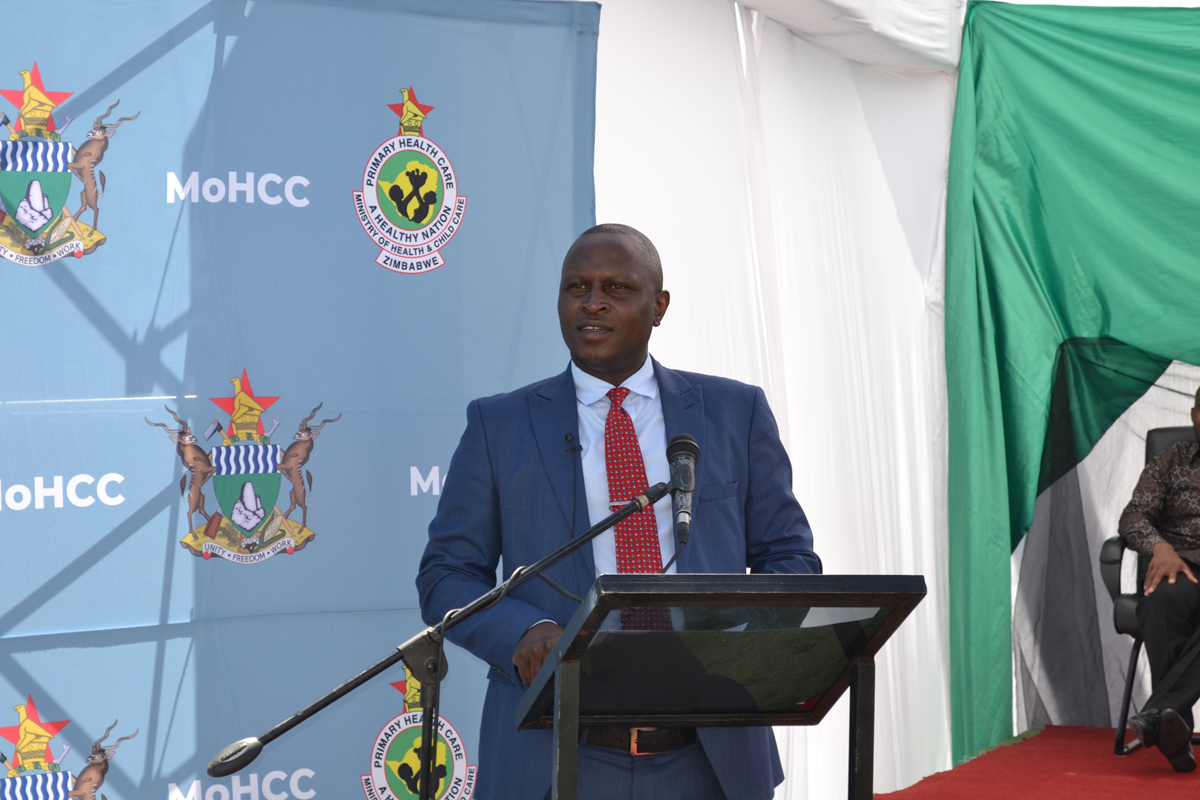
Health and Child Care Minister Dr. Douglas Mombeshora, represented by Chief Director of Curative Services Dr. Maxwell Hove, highlighted this initiative on Wednesday while officiating an Africa Clinical Research Network (ACRN) meeting.
His remarks come as US Goverment cuts funding to African and Asian countries, with South Africa being the latest to be affected.
“As global development assistance for health decreases, the Zimbabwean government is increasingly investing in healthcare infrastructure. We are also exploring new partnerships to ensure the long-term sustainability of clinical research in our country,” Minister Mombeshora said.
He emphasized that collaborations with leading global pharmaceutical and diagnostic companies should focus on strengthening local capacity.
“We are particularly interested in partnerships that enhance expertise and local capacity rather than sending our specimens abroad for analysis. Through such initiatives, we can empower Zimbabwean researchers to lead and contribute to global health advancements,” he said.
Minister Mombeshora also underscored the importance of workforce development, highlighting the launch of the Health Workforce Investment Compact (2024–2026) to enhance education, training, and development for clinical research professionals.
“Today’s dialogue is just the beginning of what I hope will be a long and fruitful collaboration. We stand ready to address any concerns or challenges you may encounter during your assessment of Zimbabwe’s clinical research environment. Our commitment to continuous improvement and open communication ensures that we can tackle these challenges together,” he added.
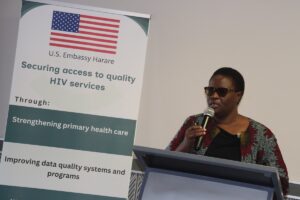
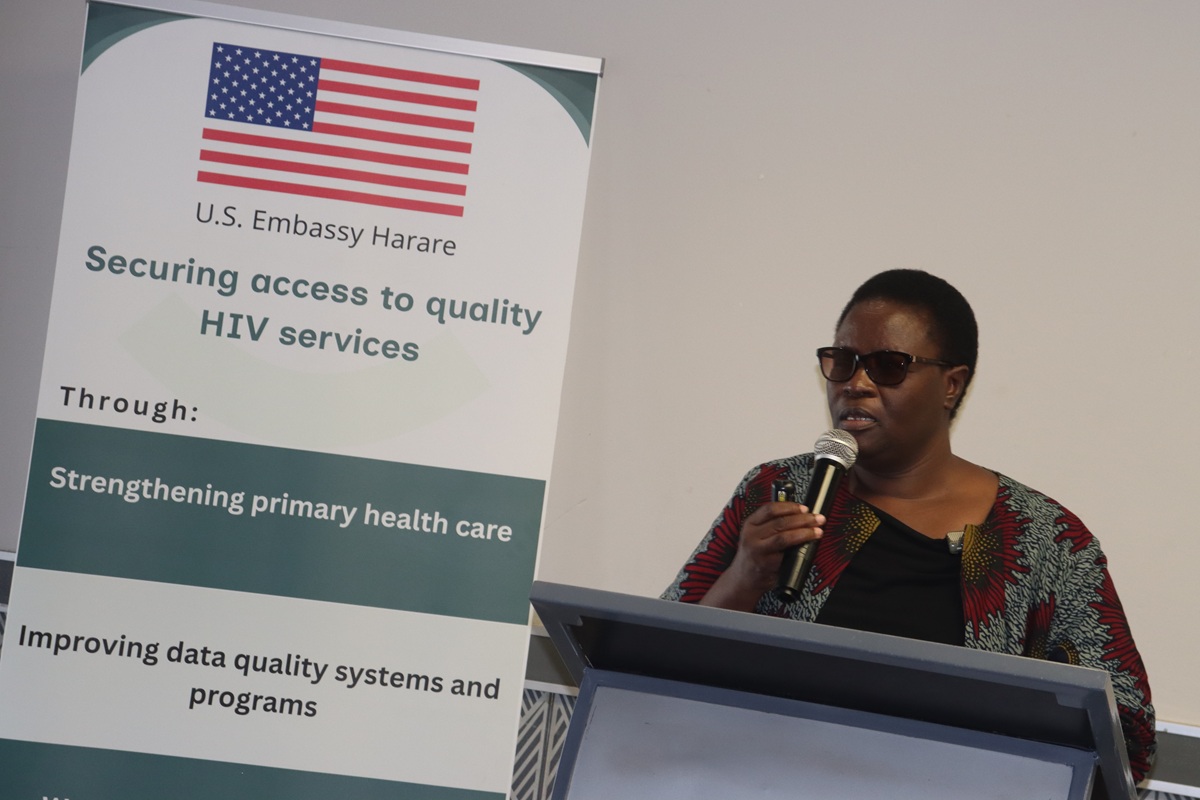
ACRN Executive Director Dr. Tariro Makadzange stated that the organization aims to strengthen clinical research capacity across Africa by connecting researchers with major pharmaceutical companies. She also envisions these companies establishing manufacturing plants on the continent.
Her visit to Zimbabwe comes at a time when less than 2% of global clinical trials are conducted in Africa, with most focusing on infectious diseases such as HIV, malaria, and tuberculosis.
“We all have family members with high blood pressure, diabetes, cancer, and kidney disease, among others. But as a continent, we are not contributing to developing new therapies at the level we need to. That’s what we want to change through the Africa Clinical Research Network,” she said.
Dr. Makadzange emphasized that Africa must accelerate its role in developing new therapies.
“We want to unite researchers across all therapeutic areas—cardiologists, hematologists, oncologists, nephrologists—and connect them with opportunities to conduct research and clinical trials. We also aim to link these researchers with sponsor partners—the organizations that develop therapies—so we can better understand how these medicines work in our populations,” she explained.
She expressed optimism that Zimbabwe could significantly enhance its research capacity, drawing inspiration from China’s rapid advancement in life sciences.
“If you look back 20 to 30 years ago, China was in a similar position to where we are now. However, a combination of government commitment, researcher-driven initiatives, and ecosystem-building enabled them not only to conduct clinical trials but also to develop medicines and therapies. That’s what we want to replicate here.
“We are starting today, but we recognize this is a long journey. In 20 to 30 years, we hope to be having a different conversation—one where we are manufacturing drugs on the continent and developing new cancer therapies,” Dr. Makadzange said.