Michael Gwarisa
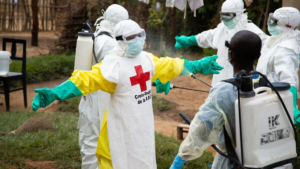
The Africa Centres for Disease Control and Prevention has appealed for nearly US$319 million to support a continent-wide response to the deadly Bundibugyo Ebola Virus Disease (BVD) outbreak affecting the Democratic Republic of Congo (DRC), Uganda, and South Sudan which also a high-risk country.
The funding appeal emerged during a high-level meeting involving Health Ministers from Uganda and the DRC, South Sudan, officials from the World Health Organization (WHO), and other United Nations agencies including United Nations Population Fund Regional Director Lydia Zigomo, as African leaders intensified coordination efforts to contain the outbreak.
“If we need to talk about the money, because today, the major outcome of our meeting was how much Africa needs to respond to this outbreak,” the Africa CDC Director General said.
“For now, this is the figure that we got from countries, US$318 million, or almost US$319 million. Out of that, US$264 or US$265 million is for DRC and Uganda, and we have US$54 million for other countries, including US$7.4 million for South Sudan. This is the budget that countries are requesting to either be prepared or to respond to the outbreak.”
According to the joint WHO-Africa CDC preparedness and response plan covering June to November 2026, the total funding requirement stands at approximately US$318.9 million, targeting response operations in the DRC and Uganda while also supporting preparedness activities in 10 high-risk African countries.
The plan follows the declaration of a Public Health Emergency of Continental Security (PHECS) by Africa CDC and a Public Health Emergency of International Concern (PHEIC) by the World Health Organization after the Bundibugyo Ebola outbreak spread across borders.
“Critical is to know the top allocations of this budget. When we talk about infection prevention control, we talk about WASH. This is where we have more money,” the Director General added.
“And we have the case management, that is the second one, and we have the vaccine, operations and surveillance. These are the main areas where we are requesting this US$318 million to respond to this outbreak.”
As of May 22, the outbreak had recorded 745 suspected cases in the DRC and 85 laboratory-confirmed cases, alongside confirmed and suspected deaths. Uganda had also reported two confirmed imported cases and one death.
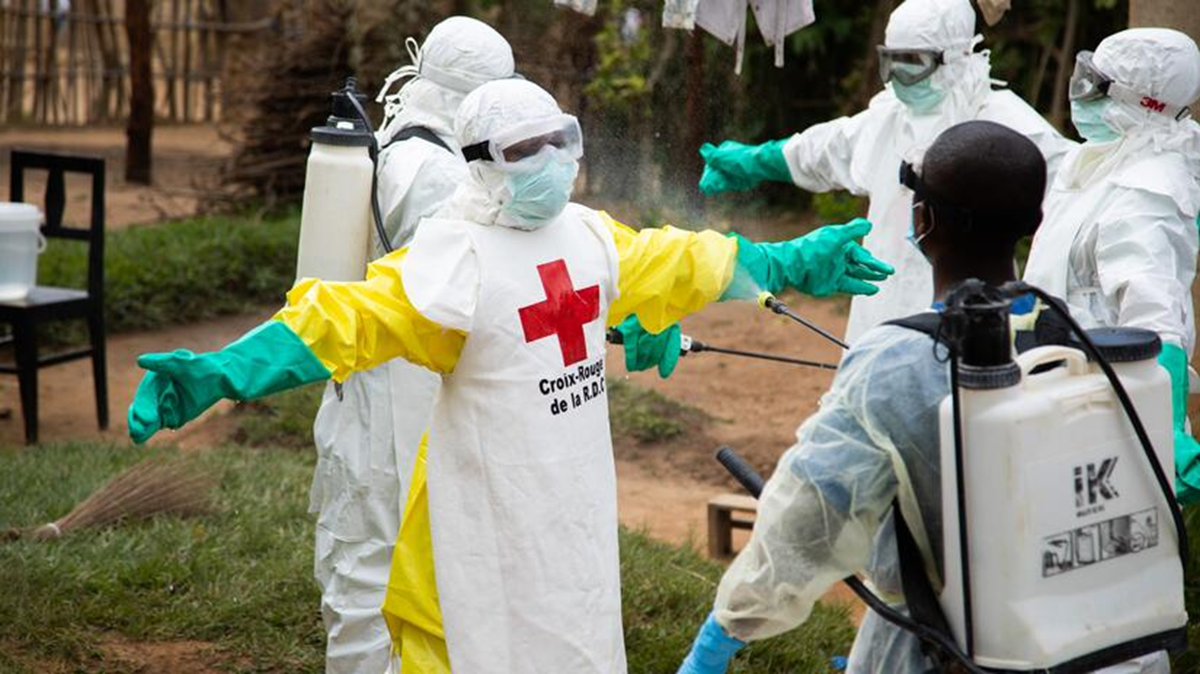
Health authorities said the outbreak’s epicentre remains in Ituri Province in the DRC, particularly in the Mongbwalu, Rwampara, and Bunia health zones, with cross-border transmission already detected in Uganda.
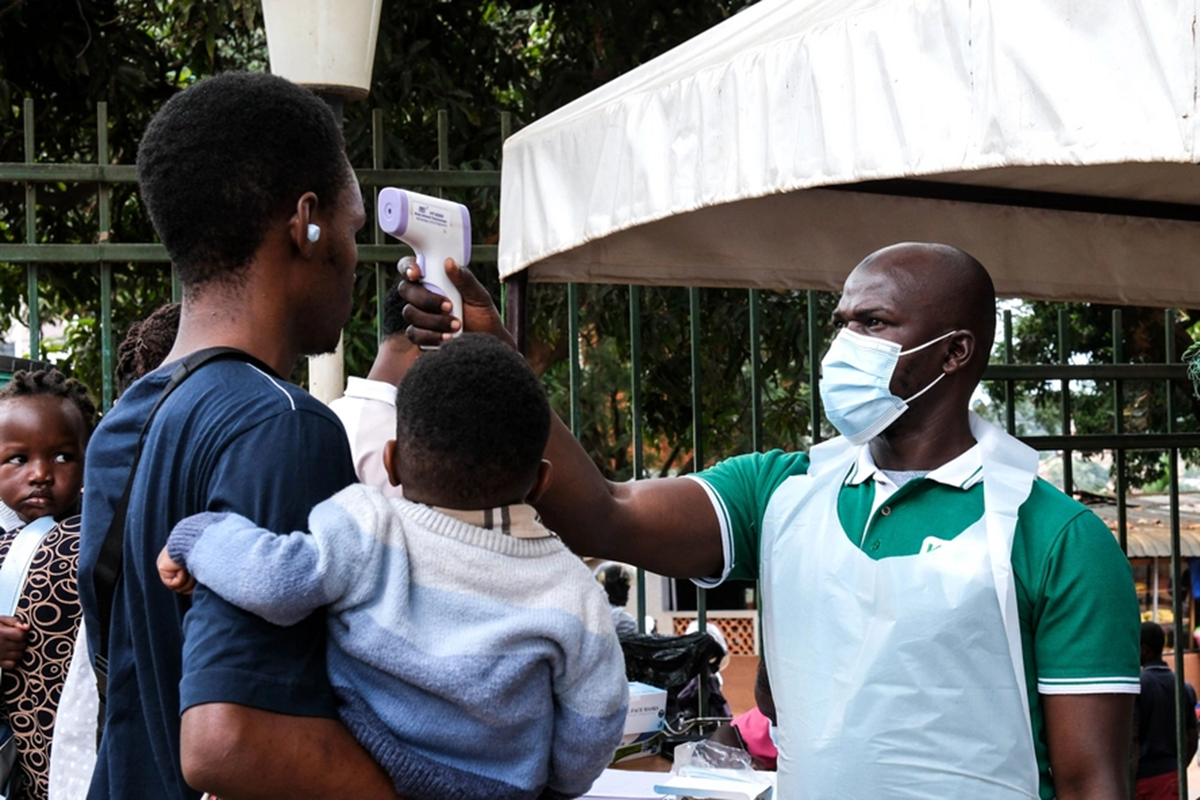
A major concern highlighted in the presentation is the absence of licensed vaccines or therapeutics specifically targeting the Bundibugyo strain of Ebola, forcing health authorities to rely heavily on infection prevention and control measures, case isolation, surveillance, and contact tracing.
Of the total budget, approximately US$264.9 million will be directed toward emergency outbreak response activities in the DRC and Uganda, while US$54 million has been earmarked for preparedness and readiness programmes in 10 high-risk countries.
The countries identified as high risk include South Sudan, Rwanda, Kenya, Zambia, Central African Republic, Tanzania, Ethiopia, Angola, Congo, and Burundi.
Africa CDC and WHO said the funding would support 11 key response pillars, including coordination, surveillance, laboratory systems, case management, infection prevention and control (IPC), logistics, risk communication, research, and continuity of essential health services.
The largest portion of the budget, approximately US$70.1 million, has been allocated to IPC, Water, Sanitation and Hygiene (WASH), and safe burials, accounting for 22.2% of the total budget. Another US$56.6 million each has been allocated to case management and vaccines or medical countermeasures.
Officials warned that several operational challenges continue to complicate the response. These include insecurity in eastern DRC, porous borders, high population mobility through mining corridors and informal trade routes, weak health infrastructure, shortages of healthcare workers, and widespread misinformation and mistrust among communities.
The joint continental plan operates under the principle of “One Team, One Plan, One Budget, One Monitoring and Evaluation Framework,” bringing together Africa CDC, WHO, governments, humanitarian organisations, and other partners under a unified response structure.