By Michael Gwarisa
“I enjoy midwifery because, to me, it gives me the satisfaction that I am saving humanity and playing a part in bringing lives into this world,” says Sr Sikhangele Mguni, a midwife at Mpilo Hospital in Bulawayo.
For Sr Mguni, those words are not just a reflection. They are a lifetime of practice distilled into a single belief.
For two decades, she has stood beside women at one of life’s most fragile thresholds, helping deliver babies safely into the world, often under pressure, often with limited resources, but always with purpose.
“I became a midwife because I wanted to help mothers and babies,” she says. “There is no greater joy than seeing a mother hold her newborn child safely.”
But the system she entered in 2006 is not the system she now works in.
Back then, midwifery training was tightly bound to classrooms, textbooks, and physical clinical placements. Opportunities were limited, and progression depended heavily on access to institutions and supervisors.
Today, that world is shifting.
A workforce under strain
Zimbabwe’s midwifery profession is undergoing a transformation shaped as much by ambition as by pressure. The country is trying to rebuild its maternal health workforce at a time when demand is rising and experienced professionals continue to leave the system.
The challenge was brought into sharp focus during this year’s International Day of the Midwife commemorations in Bulawayo, held under the theme “One Million More Midwives.”
Globally, the International Confederation of Midwives estimates a shortage of nearly one million midwives needed to deliver essential maternal, newborn and reproductive health services. The 2024 State of the World’s Midwifery Report found that investments in midwife-delivered interventions could reduce maternal, newborn and stillbirth deaths by about two-thirds. In East and Southern Africa, the report estimates that strengthening the midwifery workforce could help save up to 1.2 million lives annually by 2035. According to UNFPA, investing in midwives remains one of the most cost-effective strategies for improving maternal and newborn health outcomes.
In Zimbabwe, that gap is felt daily in maternity wards where staff are stretched and the work is overwhelming at times.
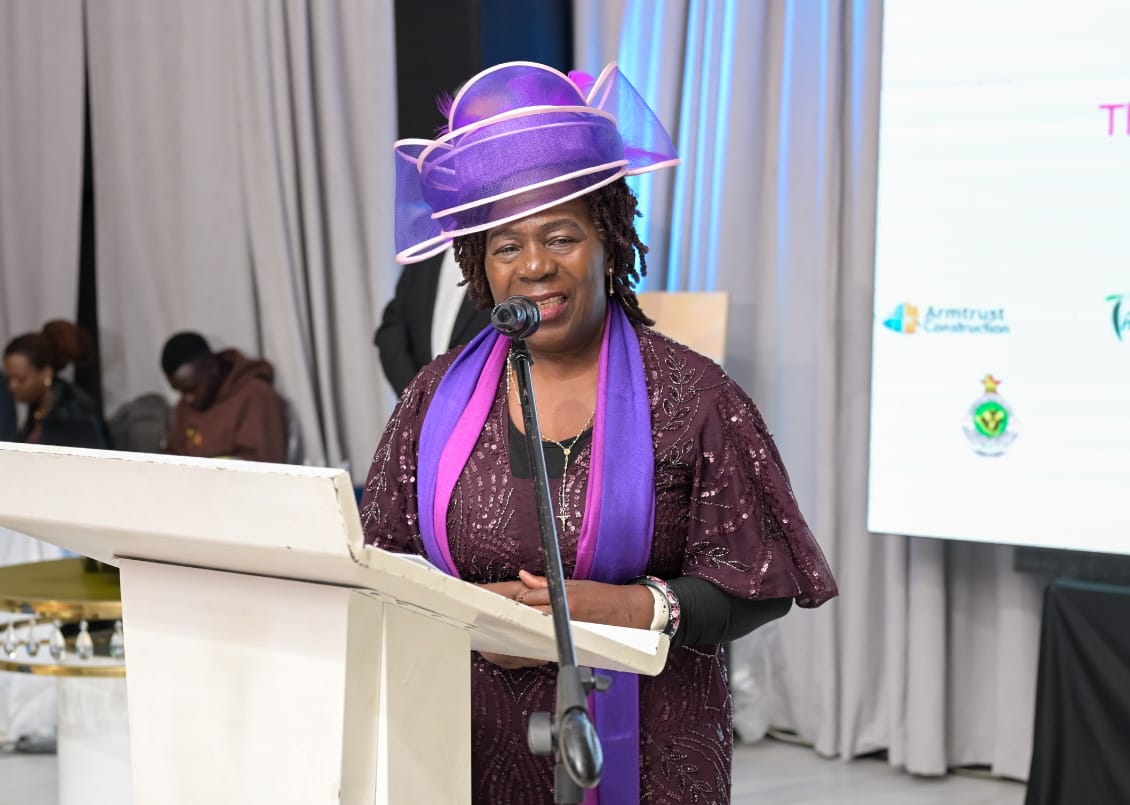
Zimbabwe Confederation of Midwives president Mrs Farai Marenga says the strain is now structural.
“The reality of the brain drain is visible in our understaffed wards, where one midwife often does the work of three or even more,” she says. “We see it in the burnout and exhaustion of our colleagues.”
The problem is not only numbers. It is retention.
“Production without retention is like pouring water into a leaking bucket,” she adds.
National response and reform
Government officials say Zimbabwe is now responding with a deliberate attempt to rebuild the system.
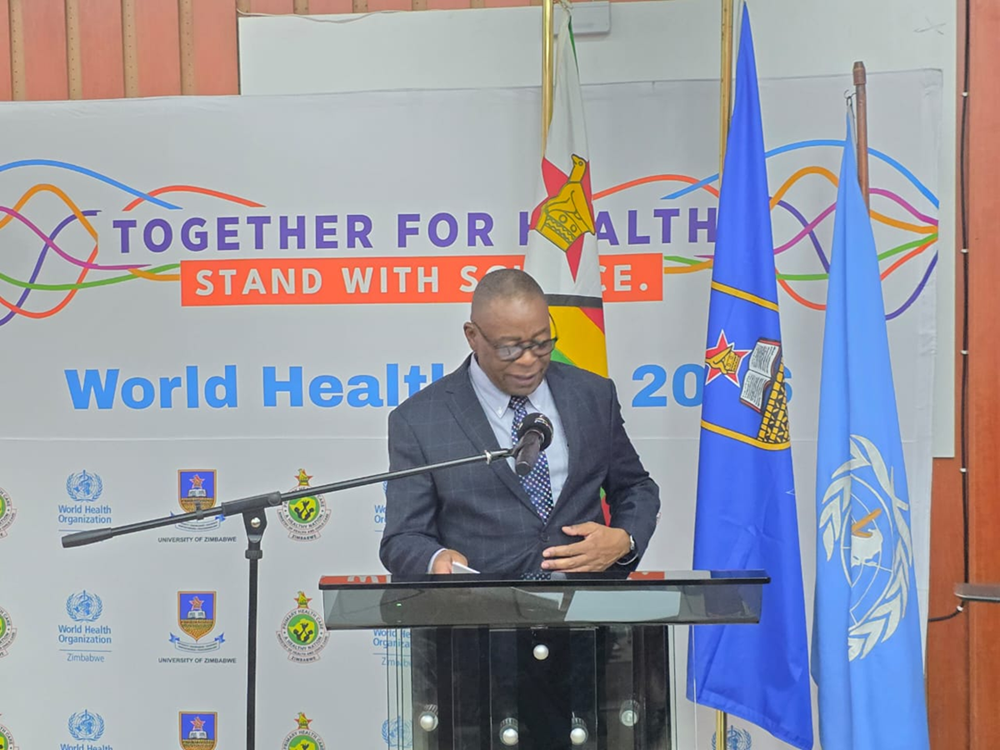
Deputy Minister of Health and Child Care Sleiman Kwidini says the strategy is focused on long-term investment rather than short-term fixes.
“We are committed to increasing our investment in training, fair compensation, and retention of midwives, as outlined in our Health Workforce Strategy and Investment Compact, he said. “This commitment is a deliberate, cost-effective strategy to achieve our goal of ending preventable maternal deaths and ensuring safer motherhood for every woman and newborn in Zimbabwe.”
At the centre of this response is an effort to expand training capacity. Zimbabwe currently has 22 midwifery training schools, with plans to increase intake in the coming years as part of a broader workforce expansion strategy aimed at doubling health personnel by 2030.
But the reform effort is not just about numbers. It is also about how midwives are trained.
A national e learning platform, developed by the Ministry of Health and Child Care with support from UNFPA, is now being rolled out for both pre service and in service training. It allows midwives to continue learning while remaining in active service, blending digital instruction with practical assessment.
Training timelines have also been revised. Post basic midwifery training has been shortened from two years to one year after qualification as a registered general nurse in an effort to accelerate entry into the workforce while maintaining standards.
Back at Mpilo Hospital, which was also a pilot facility for the midwifery e learning programme, Sr Mguni is seeing these changes unfold from the frontlines.
“Now I hear about e learning and new systems,” she says. “It is very different from our time. Back then, you had to wait for physical teaching, for a lecturer to be available. Today, information is more accessible. That can only help the younger midwives.”
But she quickly shifts the focus back to reality on the ward.
“We are still very few for the number of mothers who come,” she says. “The 2026 theme of One Million more midwives is more than just a theme, but it’s a clarion call for capacity building of midwives through training so that women have access to a midwife whenever they need one.”
Her reflection cuts through the policy language surrounding reform. For all the innovation, the workload remains immediate, human, and relentless.
Innovation in care delivery
One of the most visible changes in the system is the introduction of digital clinical tools. Beyond expanding training, Zimbabwe is also investing in technologies designed to help overstretched midwives deliver safer care.
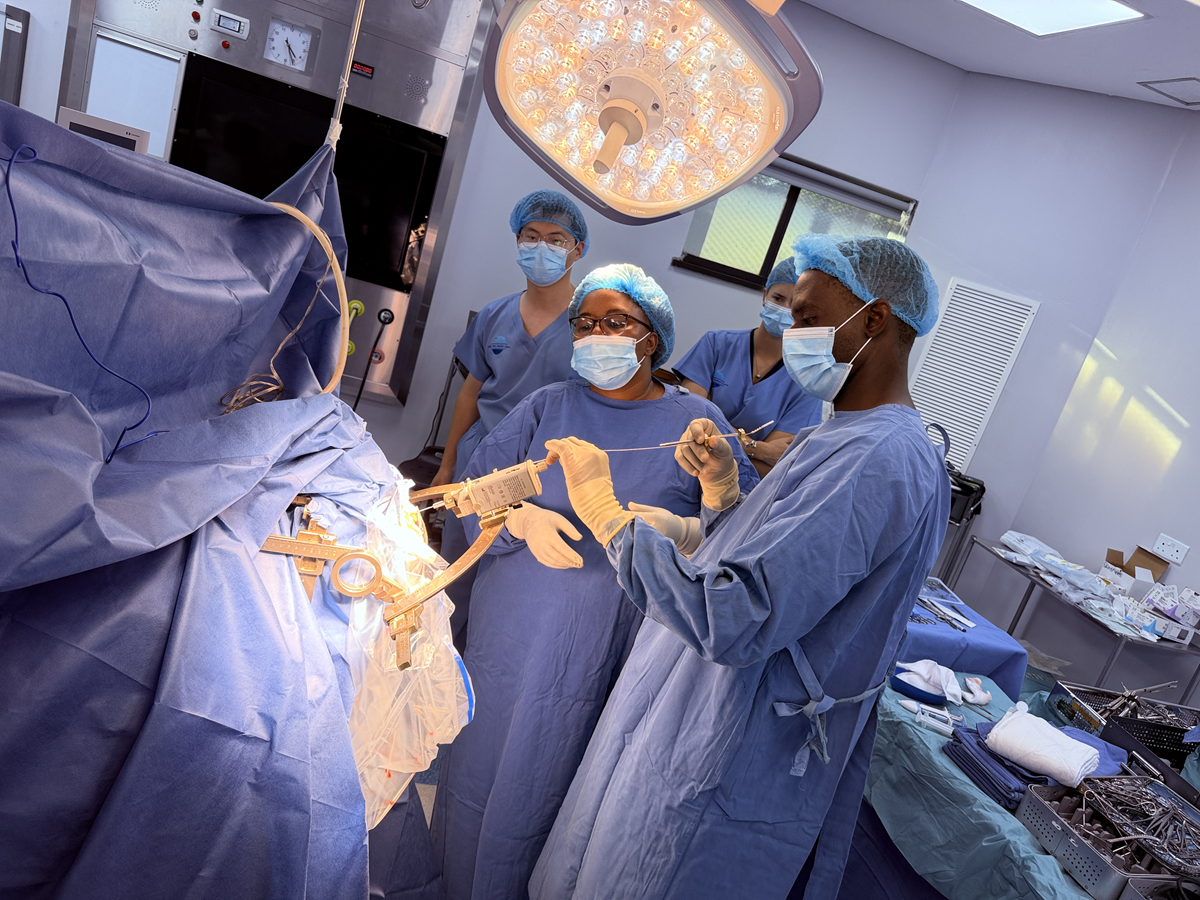
At United Bulawayo Hospitals and other health facilities in Zimbabwe electronic partographs are now being used to monitor maternal and fetal well being during labour in real time. The system allows for faster detection of complications and quicker clinical decisions when seconds matter.
Officials say such tools are part of a broader shift toward digitising maternal healthcare, alongside workforce expansion and training reforms.
UNFPA Representative Ms Miranda Tabifor says these investments are among the most efficient in global health.
“Every dollar invested in midwifery yields up to 16 dollars in social and economic gains,” she says. “Through programmes such as the Health Resilience Fund funded by the Governments of Britain, Ireland and Sweden and the Maternal and Newborn Fund, UNFPA continues to support the Ministry of Health and Child Care with pre-service and in-service midwifery training to ensure the availability of skilled birth attendants. We will continue investing in this area.”
The broader goal aligns with global efforts to reduce preventable maternal deaths and improve access to reproductive health services. Honourable Kwidini added that midwives need to evolve and embrace artificial intelligence and technology to remain relevant.
A system in transition
Despite these reforms, Zimbabwe’s maternal mortality ratio stands at 212 maternal deaths per 100,000 live births, according to the 2023 to 2024 Zimbabwe Demographic and Health Survey. While this marks a significant decline from 651 deaths per 100,000 live births recorded in 2015, maternal mortality remains a major public health concern.
Experts say midwives remain key to reducing maternal and newborn deaths, particularly when they are well trained, supported, and retained within functioning health systems.
Yet the central challenge remains unresolved, how to keep trained professionals in the system long enough to meet demand.
Closing the circle
Twenty years after she first entered a maternity ward, Sr Mguni still measures success one delivery at a time. As Zimbabwe races to train more midwives, introduce digital tools, and stem the loss of skilled professionals, she hopes the next generation will find the same purpose that kept her at the bedside.