By Michael Gwarisa
In June 2021, Chipo Chikwavira began her nursing career with an understanding that caring for patients meant more than simply diagnosing an illness and providing treatment. Today, as the Key Populations Focal Person at Gutu Hospital, she is increasingly aware that for some people, the decision to walk into a health facility can itself be difficult.
Among them are members of key populations who may have experienced stigma, discrimination or judgement when seeking healthcare.
A recent three-day sensitisation workshop for healthcare workers gave Chikwavira an opportunity to look more closely at some of the barriers these communities face and, perhaps more importantly, at the role that health workers can play in making those barriers less intimidating.
“The training was very helpful and beneficial to my work as a nurse,” she said.
The workshop came at a time when Zimbabwe’s health system is undergoing an important shift in how services for key populations are delivered.
For years, some members of key populations were able to access HIV and other health services through standalone facilities supported by international funding. Those facilities provided spaces where people could seek services from workers who were specifically trained to understand their needs. But the closure of some of those programmes following changes in donor funding has meant that more people are now being encouraged to use mainstream public health facilities.
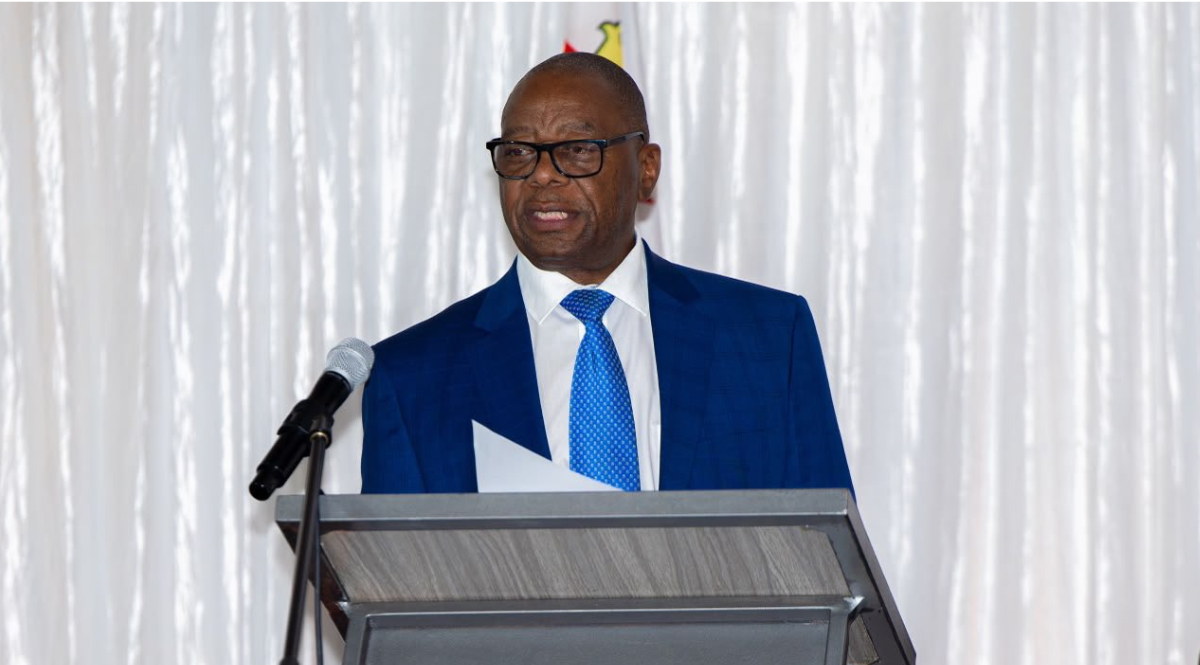
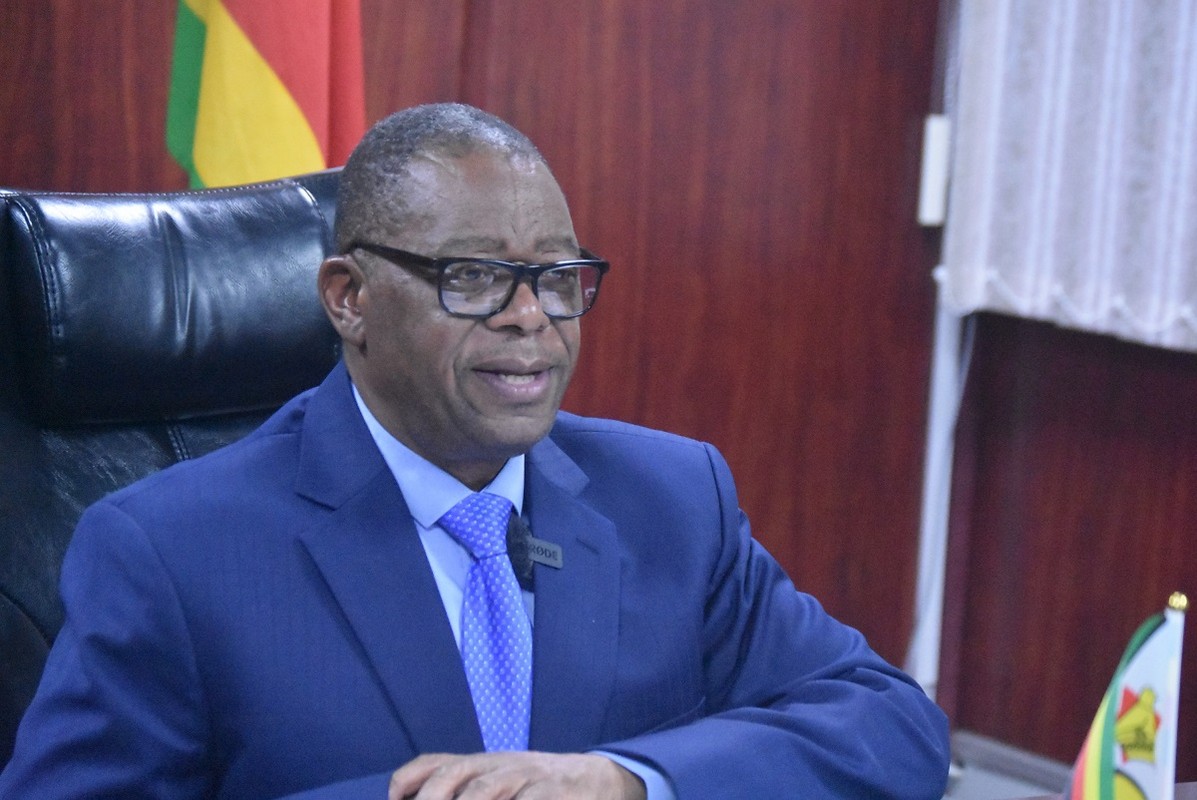
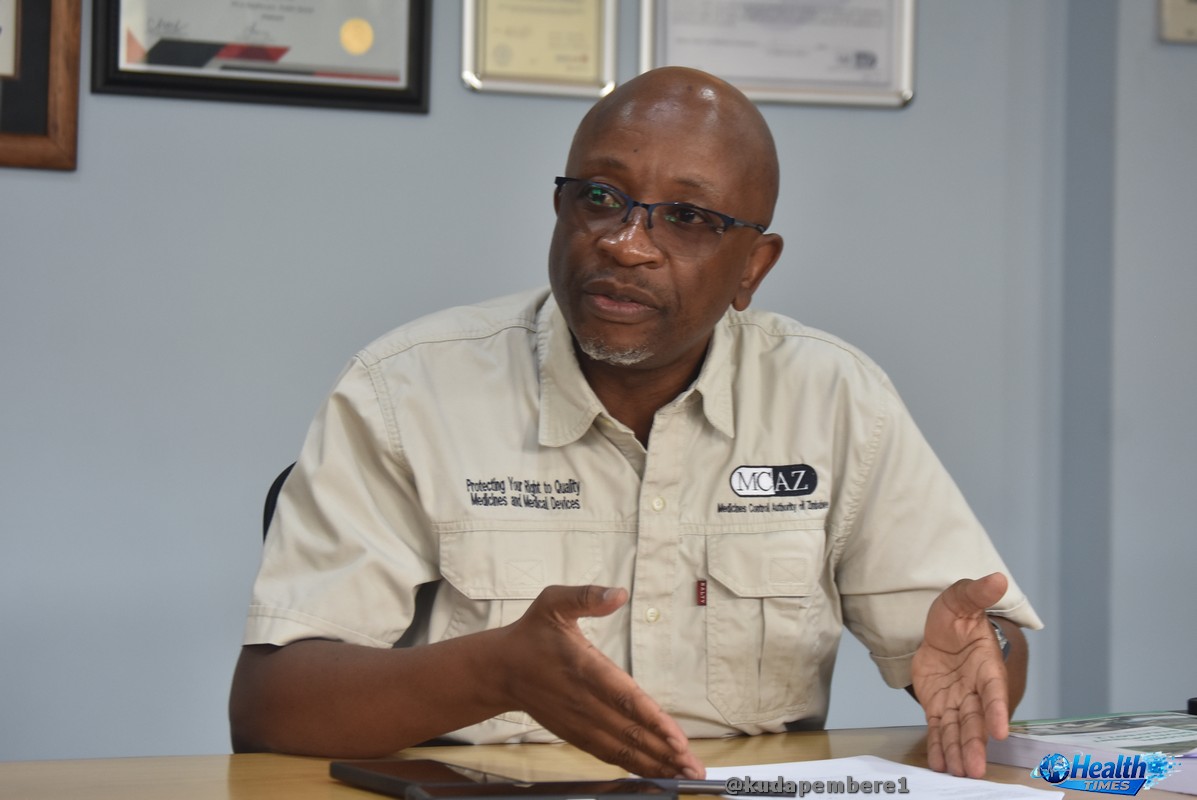
For Dr Benard Madzima, the National AIDS Council Chief Executive Officer, this makes it increasingly important that health workers understand the needs of key populations and, just as importantly, examine the attitudes that patients may encounter when they seek care.
“Under the US government funding we used to have standalone facilities for key populations like commercial sex workers where they would go and get their services,” Dr. Madzima said.
“Because of the closure of those centres, we are now urging key populations to go to the health facilities. Basically, we are now integrating services.”
The intention, he said, is not to create another parallel system of healthcare, but to make sure that people who previously relied on specialised services can continue receiving care within the public health system.
That transition, however, requires more than simply moving services from one facility to another. It requires the people working in those facilities to understand that the experience of seeking healthcare can be shaped as much by the way a patient is treated as by the medicine or service they eventually receive.
When integration reaches the clinic door
For GALZ Programmes Manager Teddy Munyimani, this is why the recent training was deliberately designed to include people across the entire health service chain.
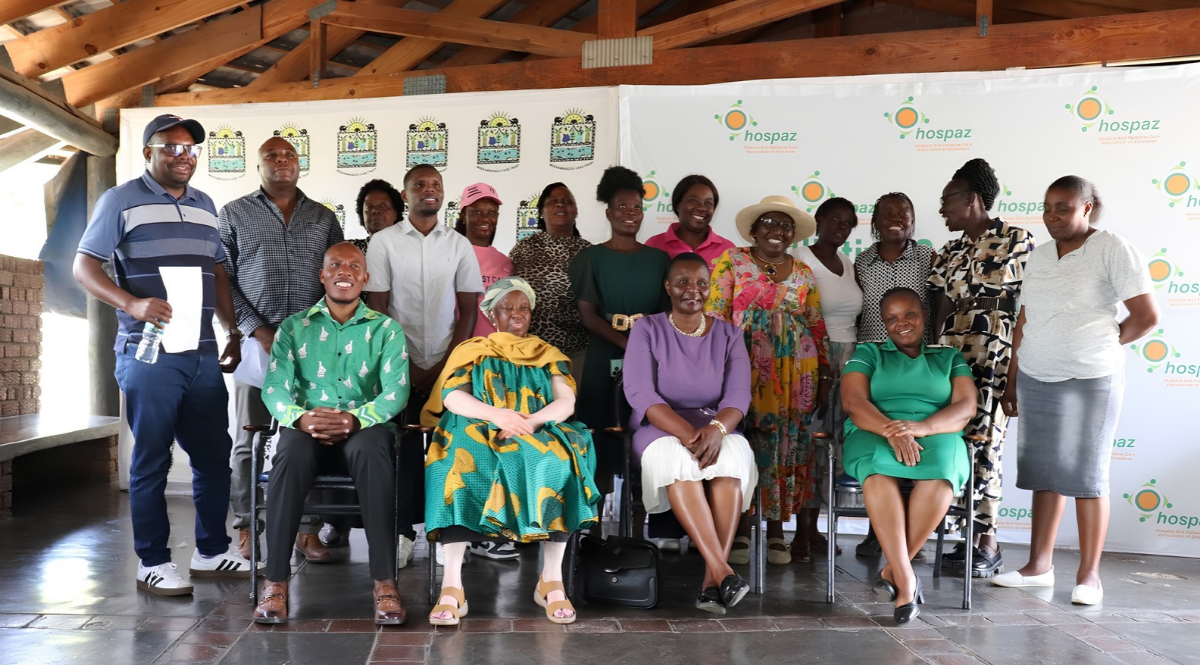
The three-day sensitisation was conducted under the Global Fund HIV programme, with the National AIDS Council providing stewardship. Rather than focusing only on nurses and clinicians, the organisers brought together security personnel, receptionists, records clerks, nurses, Sisters in Charge, pharmacy staff and District AIDS Coordinators. The thinking was simple: a patient does not begin their healthcare journey when they sit down in front of a nurse.
They may first encounter a security guard at the gate, a receptionist at the front desk or a records clerk handling their personal information. Each of those interactions can influence whether the person feels safe enough to continue seeking care.
“When our community members describe bad experiences at clinics, the problem often starts long before the consultation room,” Munyimani said. “It starts with a guard asking questions at the gate, or a clerk repeating someone’s details aloud at the desk.”
A nurse or doctor may provide respectful and professional care, he explained, but that can be undermined by what happens earlier in the process.
“A facility is only as safe as its least prepared point of contact,” Munyimani said.
The workshop therefore sought to give participants a broader understanding of sexual orientation, gender identity and expression, as well as the particular barriers that key populations can encounter when seeking health services.
Participants also discussed confidentiality and privacy, respectful communication, HIV prevention, including PrEP and PEP, STI screening and management, mental health support, referral and linkage to care. But the conversations were not limited to clinical knowledge. They also asked participants to look at their own assumptions and attitudes.
For some of the healthcare workers, the training was the first opportunity they had had to properly distinguish between sexual orientation and gender identity, or to consider how their own beliefs might affect the way they interact with a patient.
Munyimani said that knowledge gap matters because when people do not have accurate information, they often fall back on what they have heard from society, religion, culture or other sources. And those assumptions can follow them into the workplace.
A nurse’s perspective
For Chikwavira, the training provided knowledge that she could take directly back to Gutu Rural Hospital. As a key populations focal person, she is expected not only to understand the health needs of these communities but also to support colleagues in providing services that are respectful and free from discrimination.
The training covered the differences between men who have sex with men and transgender people, as well as the importance of confidentiality, privacy and client-centred care. It also examined some of the practical challenges that healthcare workers may encounter when providing services to people from key populations.
“The facilitators used practical examples, group discussions and role plays which made the sessions interactive and easy to apply to our day-to-day work,” Chikwavira said.
For her, the lessons go beyond the delivery of HIV services.
“In my work I interact with clients from diverse backgrounds in the community,” she said. “My professional duty is to ensure every person who comes to the facility receives care without discrimination.”
That may sound like a straightforward principle, but for someone who has previously experienced discrimination in a health facility, the difference between being welcomed and being judged can determine whether they seek care again.
Changing the experience, not just the policy
Madzima says Zimbabwe’s move towards integrated services should ultimately mean that key populations can access healthcare in the same way as everyone else.
“No one is asked specific questions regarding either their sexual orientation or their activities outside of their health status when they present at a health facility,” he said.
“So we don’t expect any problem in integrating services for key populations in the health facilities in Zimbabwe.”
But he acknowledges that sensitisation is important to ensure healthcare workers are on the same page when it comes to reducing stigma. For organisations such as GALZ, the challenge now is to make sure that what happens in a three-day workshop does not remain inside the training room.
Munyimani says follow-up will be important, particularly because only some staff members from participating facilities were trained. Those who attended need to be supported to share what they learnt with their colleagues, while health facilities need continued engagement, refresher training and mechanisms for receiving feedback from the communities they serve.
There is also a need for the public health system to take greater ownership of this work.
If inclusive healthcare is to become sustainable, Munyimani argues that issues relating to key populations should not depend entirely on individual projects or organisations. They need to become part of the wider training and continuing professional development of health workers, including the staff who are often overlooked because they are not clinicians.
The same applies to data. If health systems cannot adequately identify and understand the populations using their services, it becomes difficult to plan effectively for their health needs.
The real test comes later
For now, the workshop represents one step in a much bigger process. The real test will not be what participants remembered at the end of three days. It will be what happens months later when a member of a key population walks through the gate of a public health facility, approaches the reception desk and asks for help.
Will they be questioned unnecessarily? Will their privacy be protected? Will a nurse listen without judgement? Will they receive the service they came for? And, perhaps most importantly, will they feel safe enough to come back?
For Chikwavira, the answer should be straightforward. Her responsibility as a healthcare worker is to provide care to the person in front of her, regardless of their background. For Dr. Madzima, the broader health system must ensure that principle is reflected across Zimbabwe’s public health facilities.
And for Munyimani, integration will only succeed if the entire journey through a facility becomes more welcoming, from the gate to the consultation room and ultimately to the pharmacy.
The transition from standalone key population services to mainstream healthcare may have been driven by changes in funding, but it presents Zimbabwe with a larger opportunity: to ensure that public health facilities become places where everyone can seek care without having to first prove that they deserve it.
Changing that experience may begin with a workshop. But changing the health system will require the lessons from that workshop to follow healthcare workers back through the clinic doors and into their everyday encounters with patients.