By Michael Gwarisa
Women’s organisations have expressed frustration over the failure to identify and bring to justice the tout reportedly responsible for raping a minor in a parked commuter omnibus at the Rezende bus rank.
To voice their concerns, members of the Women’s Coalition of Zimbabwe (WCoZ) converged on Friday at a Sexual Gender-Based Violence (SGBV) Outreach Activity at the Ruzende Parkade Rank. The event, attended by women of all ages, was aimed at showing solidarity with the affected child and other women and girls who have suffered abuse at the hands of rowdy touts.
In an interview with HealthTimes, Irene Sithole, WCoZ Board Secretary and lawyer, said delays in resolving the case make justice increasingly difficult.
So, we are not happy about the pace of this investigation,” said Sithole. “We wish it could be expedited because this involves a young child. Over time, she may forget key details. When presenting evidence in court, precision is crucial. The longer the delay, the more difficult it is for her to recall events accurately, which jeopardises the case. We hope the matter will be accelerated so justice can prevail and the perpetrator brought to book.”
She added that other touts present at the scene should cooperate with the police to aid investigations.
“We are here asking for justice for that young girl, and for all others who have been raped. We are deeply concerned about the pace of this case. This occurred in a public space, so it is reasonable to expect that other commuter omnibus touts could help identify the perpetrator.”
According to the Zimbabwe Gender Commission and National Prosecuting Authority, about 22 women are raped daily in Zimbabwe—averaging one rape every 75 minutes. This amounts to roughly 646 women being violated each month, with many victims being juveniles, mentally challenged, or related to their attackers, highlighting the prevalence of sexual violence within families and trusted circles.

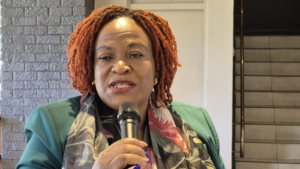
Mrs. Loveness Rukuni, Executive Director of the Women’s Action Group (WAG), said ranks and bus terminals must be safe spaces for everyone.
“We know that touts often protect each other and know who is responsible. We urge law enforcement to act swiftly. It is unacceptable that this girl was raped at this rank,” said Rukuni.
The Zimbabwean Parliament recently proposed stricter measures to curb abuse by touts and regulate ranks, including introducing uniforms for touts and registering them for easier tracking in cases of crimes such as rape.
Caroline Mutimbanyoka, Director of Sprout Women Empowerment Trust, said touts should be removed from the streets.
“Our cities must be free from violence. A 13-year-old child should not be raped in public, and yet no arrests have been made. This shows the touts are not sincere. If necessary, all touts should be removed from ranks to make public transport safe,” said Mutimbanyoka.
A snap survey by HealthTimes revealed that touts often lure young girls into sexual relationships using fast food, money, clothes, and other inducements. Victims are mainly primary and secondary school pupils, college students, and university attendees.
Bertha Bindura, an African University student, said she no longer feels safe using public transport.
“It is heartbreaking that a Grade 7 pupil was raped here. I don’t feel safe using public transport anymore. I hope the perpetrator is brought to justice,” said Bindura.