
Kuda Pembere
Zimbabwe’s Cabinet has approved a Contingency Fund for the Ministry of Health and Child Care to bolster its readiness and response to seasonal disease outbreaks.
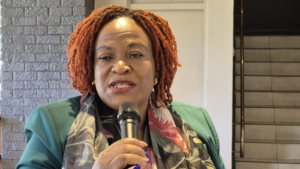
Speaking to journalists during a Post-Cabinet Media Briefing, Information Minister Dr Soda Zhemu explained that the fund aims to improve the Ministry’s capacity to respond swiftly to emerging health threats.
“Additionally, Cabinet has approved a Contingency Fund to support the Ministry of Health and Child Care’s preparedness and early response activities for seasonal disease outbreaks,” he said.
Dr Zhemu added that the government will strengthen a multi-sectoral approach involving relevant ministries, local authorities, and agencies responsible for water and sanitation, local government, transportation, education, environment, and social services. “This will enhance prevention, improve preparedness, and facilitate rapid response during the 2026 rainy season,” he noted.
The move comes amid recent health concerns, with the country reporting five cholera cases. In addition, malaria has claimed five lives in Mashonaland West, pushing cumulative malaria cases to 1,203 since last year.
Dr Zhemu confirmed that the Cabinet received a detailed report on seasonal disease risks, urgent vaccine deployment, and proposed contingency funding.
“The country has experienced sporadic and isolated outbreaks of waterborne diseases, typically associated with the rainy season. Although no major outbreaks have been officially declared, risks remain elevated due to current weather conditions, population movements, and increased strain on water and sanitation infrastructure,” he said.
In response to these risks, the government has intensified preparedness efforts. Measures include comprehensive risk and hazard mapping, raising alertness among response agencies, and expanding public health communication initiatives.