
Kuda Pembere
A rift has emerged among nurses at Zimbabwe’s central hospitals after an unidentified donor began paying nursing tutors and instructors, leaving out registered general nurses and midwives who say they do most of the mentoring for student nurses in clinical areas.
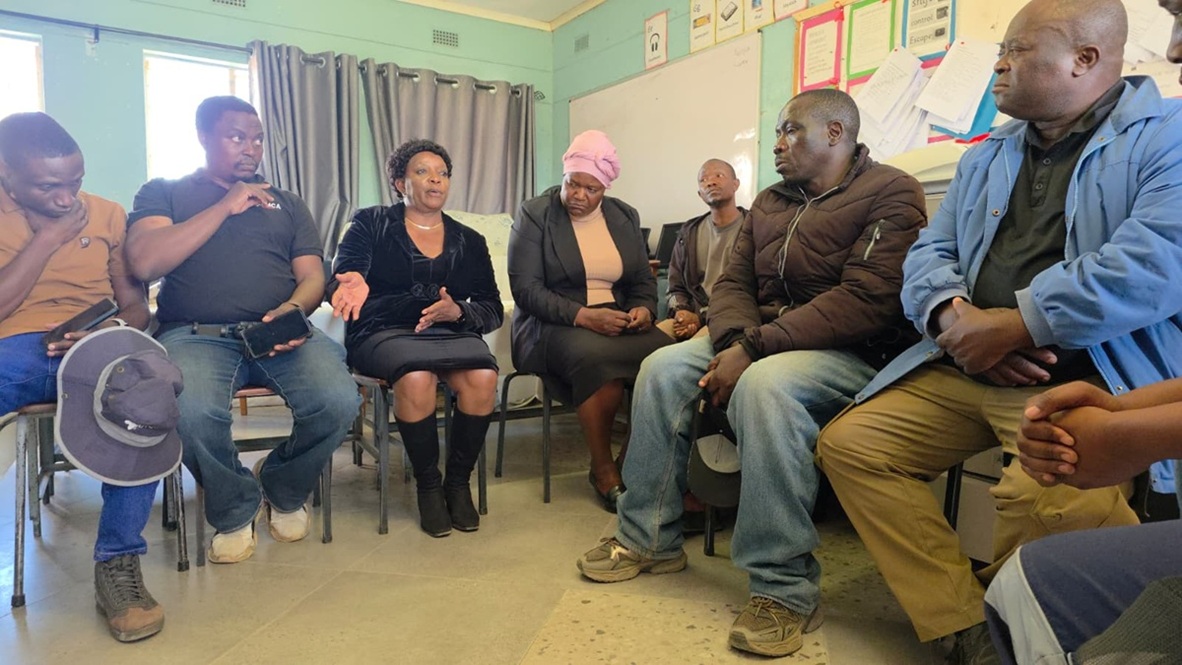
Zimbabwe Nurses Association (ZINA) Secretary General at Sally Mugabe Central Hospital, Farai Matsiure, told HealthTimes after a meeting held at the hospital to discuss the issue and other grievances that the “selective payments” were creating divisions within the profession.
Nursing students are required to gain clinical experience before completing their general nursing training, and much of the mentoring, according to Matsiure, is carried out by Registered General Nurses (RGNs) and specialist nurses working in clinical areas.
“On the issue of donor funds, let me give you an example…there are a lot student nurses here at this central hospital who come to the clinical areas. So these students are mentored by the registered general nurses, and the post basic nurses such as the midwives,” he said.
He said nurses working directly with students in clinical settings feel unfairly excluded from the donor-supported payments.
“So we are saying that when the monies came (from the donor), these cadres were sidelined yet they spend most of the time mentoring these students.
“Now this has caused some division between the RGNs together with specialist nurses against the nursing tutors and instructors who have since received the money.
“We are saying for a student nurse to become a fully trained registered general nurse, most of their time will be spent in the clinical area. We wanted the clarity,” Matsiure said.
However, he acknowledged that nurses were told donors have the discretion to decide how their funds are allocated.
“Of course, it was mentioned a donor comes and chooses where they want to fund, they cant be forced. But at the same time, our members are saying this is dividing us as a nursing profession.
“The members said they understand there were arrangements such as the Results Based Financing, which they have no qualms with,” he said.
“Our argument is that we also want the money for the clinical area as well, we also want to be appreciated as they are doing with the instructors and tutors. If it is said that all nurses are getting US$10 each, we want that, even if there is a US$2 difference.”
Matsiure said nurses working in clinical areas at central hospitals across the country are aggrieved by the arrangement.
“Nationally, I would say all central hospitals RGNs in Harare are aggrieved about this arrangement, as people working in the clinical area mentoring these students. When these students come to the clinical area for mentoring, chances are they may not be adequately taught, which is undesirable because we want them to be taught well,” he said.
Apart from the donor funding issue, nurses also raised concerns about allowances during the meeting.
Currently, allowances are largely limited to nurses working in rural areas. However, Matsiure said central hospital nurses believe they should also receive additional support given the heavy workload associated with treating referred patients.
He said salary concerns were also raised.
“The issue of salaries was deliberated more on. On salaries, people were given the opportunity to talk about their salaries but then, people are not pleased with their salaries. The money is not enough especially nowadays when the bus fares were hiked up to US$2.
“And remember, this hospital is situated far away from residential areas save for Southerton. We use a lot of money commuting to work. So way forward is that for now we will discuss the issue of the two days with our management because we want to save money to commute to work.
“There are some who failed to attend this meeting because they did not have bus fares to come for this meeting. At the same time, after the two days, we will have to push for central hospital allowances as Sally Mugabe hospital,” he said.
The proposal for “two days” refers to a flexible working arrangement under discussion where nurses would work two days a week as a temporary measure to reduce transport costs.