By Staff Reporter
Gilead Sciences has come under fire after announcing a secretive deal to supply its long-acting injectable HIV prevention drug, lenacapavir (LEN-LA), to the Global Fund to Fight AIDS, Tuberculosis and Malaria. The agreement—shrouded in indefinite price secrecy—has been widely condemned by civil society organisations, health advocates, and global health experts who warn it undermines transparency, accountability, and equitable access.
The Global Fund, financed by public money, has invited nine African countries—South Africa, Eswatini, Lesotho, Mozambique, Kenya, Uganda, Zambia, Zimbabwe, and Nigeria—to participate in the agreement. However, the exact cost at which LEN-LA will be procured remains concealed under a non-disclosure agreement (NDA), sparking alarm that this could obstruct future price negotiations and delay access in countries most affected by HIV.
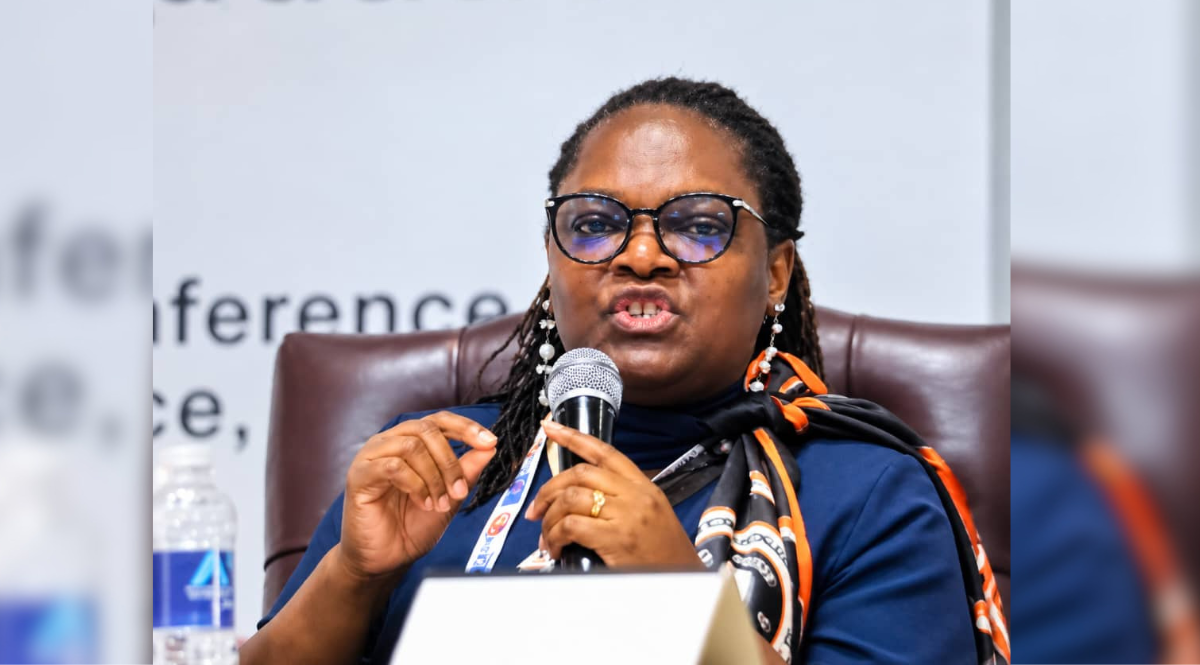
The Global Fund is funded by public money. Its dealings, contracts, and the prices paid for life-saving tools have been made available for other medicines and should not now be kept secret because of Gilead’s bullying,” said Fatima Hassan, Director of the Health Justice Initiative. “It is inexcusable for Gilead not to allow the Global Fund to disclose the prices it will pay.”
Hassan added that this move sets a dangerous precedent, allowing pharmaceutical companies to dictate terms that may lead to inflated prices in middle-income countries (MICs), many of which are grappling with surging HIV incidence rates. Without public pricing, civil society groups lose a key tool in their fight to ensure fair and affordable access.
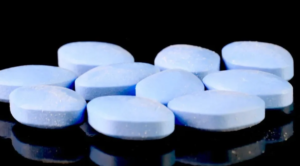
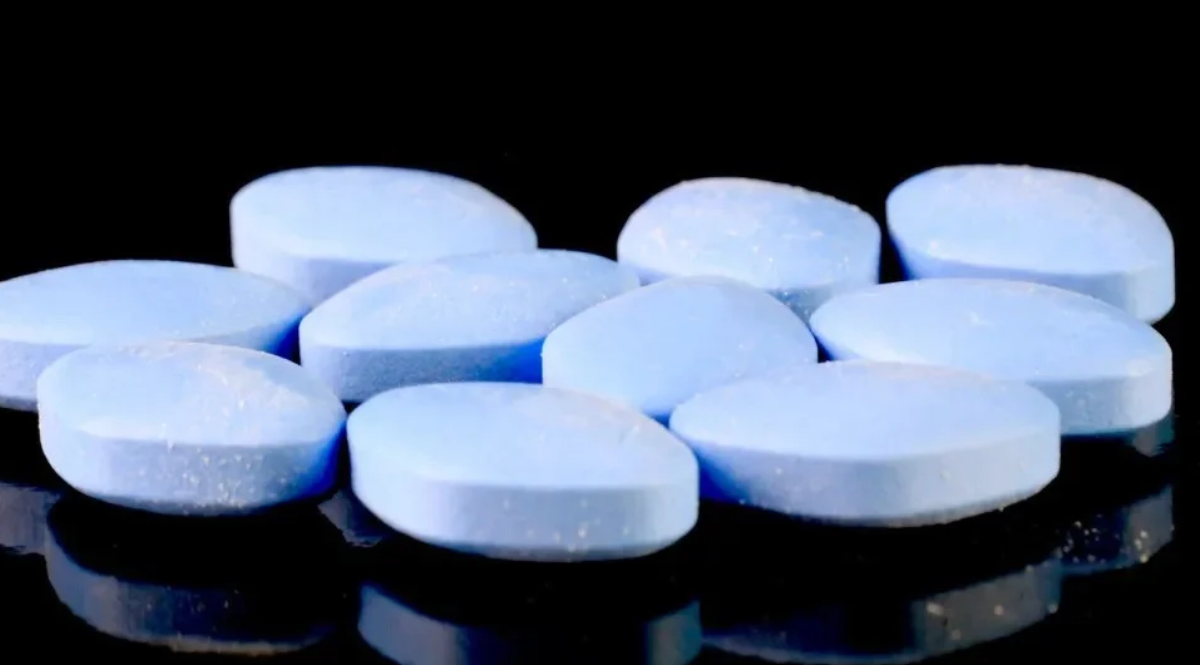
In clinical trials, LEN-LA—an injection given every six months—has shown near-complete protection against HIV. Health advocates have hailed it as a game-changer for populations historically underserved by existing prevention tools like oral PrEP and condoms, including sex workers, LGBTQ+ individuals, people who use drugs, and cisgender women in sub-Saharan Africa. Despite its potential, advocates fear Gilead’s restrictive access model could result in gross underutilisation.
“Gilead wants to hold all the cards in medicine pricing negotiations and will try to set prices as high as it likes in Latin American countries and other countries excluded from their plans,” said Veriano Terto of Brazil’s Interdisciplinary AIDS Association (ABIA). “Meanwhile, people who need PrEP and the healthcare systems they rely on will find the drug priced out of reach. Gilead is playing a dangerous game with the health and lives of millions.”
This isn’t the first time pharmaceutical pricing secrecy has raised alarms. During the COVID-19 pandemic, NDAs in vaccine and drug deals drew widespread criticism for blocking transparency. In South Africa, legal action had to be taken to force public disclosure of vaccine contracts. Critics fear the LEN-LA deal risks repeating these mistakes.
Asia Russell, Executive Director of Health GAP, linked the move to broader global trends that are undermining the HIV response. “Coming on top of Trump and Rubio’s anti-science HIV and global health funding cuts, Gilead’s greed has created an unprecedented, coordinated global regime of LEN-LA price secrecy that violates our basic rights and will undermine global access.”
While Gilead has committed to making LEN-LA available to two million people over the next three years, advocates argue this is a mere fraction of what is needed. Estimates show that up to 20 million people currently need the injectable to prevent new HIV infections. Meanwhile, global infection rates are climbing—from 3,500 to 5,800 new infections per day as of May 2025—largely attributed to recent funding cuts to global HIV programs.
“Access for only two million people over three years is just a drop in the ocean,” said Professor Brook Baker of Health GAP. “Trump and Rubio’s despicable cuts to HIV prevention programs mean new HIV infections are surging. Price secrecy undermines the urgent need to reach all people, everywhere, who need LEN-LA.”
Baker also warned that Gilead’s insistence on secrecy is likely part of a broader strategy to “rip off buyers” in MICs by demanding higher prices behind closed doors. “This is greed in a time of crisis, and market monopoly manipulation.”
An academic analysis has estimated that lenacapavir could be produced generically at $25–$40 per person per year—on par with oral PrEP. However, Gilead has granted voluntary licenses to just six manufacturers and limited their supply to 120 low- and middle-income countries. Twenty-six countries—many with high HIV rates—are excluded from this license, including Argentina, Brazil, Mexico, and Peru. Ironically, Gilead conducted key clinical trials for LEN-LA in some of these same countries.
In Brazil, where lenacapavir trials were conducted, Gilead has instead announced a separate, opaque partnership agreement, drawing further criticism for abandoning fair access principles in pursuit of profit.
Activists are now calling for urgent action from governments, donors, and health agencies:
-
Public disclosure of the so-called ‘access price’ and all negotiated prices for LEN-LA.
-
A global push for price parity with oral PrEP—$25–$40 per person per year.
-
Mandatory use of WHO Collaborative Registration Procedures to speed regulatory approval in LMICs.
-
Expansion of Gilead’s voluntary license to include all LMICs.
-
Legal interventions such as compulsory licenses to overcome patent barriers in excluded countries.
-
Removal of restrictive clauses in Gilead’s license, including the ‘non-diversion’ clause which could block countries from accessing generics even after issuing compulsory licenses.
Regulatory clarity is also lacking. While Gilead has filed for approval in the EU and South Africa, it remains unclear which additional countries it plans to pursue, and whether it will support expedited approval routes.