

Michael Gwarisa
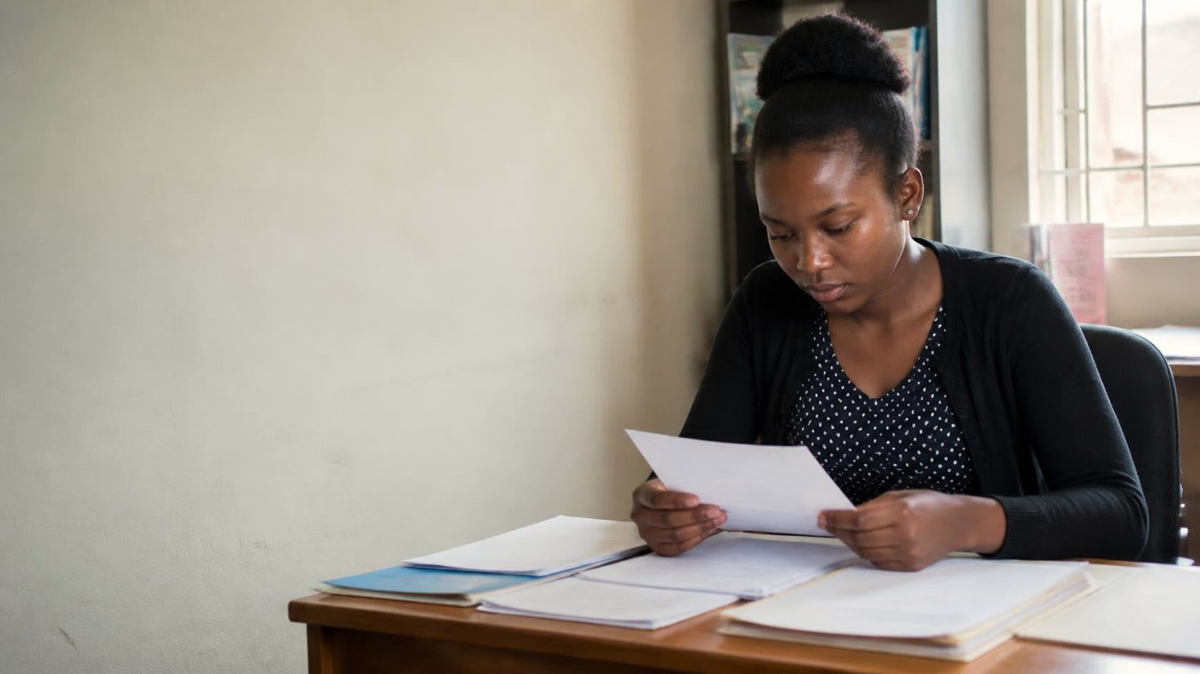
In 2015, Pamhidzai-Violet Togara lost her job. A few months later, her marriage collapsed, pushing her into a severe mental health crisis.
“My husband took another wife soon after I lost my job. He told me to take it or leave it, and I opted out,” said Togara.
Following the emotional turmoil, Togara was diagnosed with severe depression in 2018 and later with bipolar disorder.
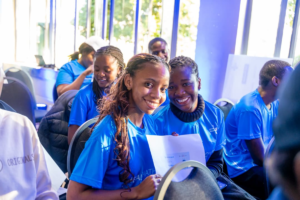
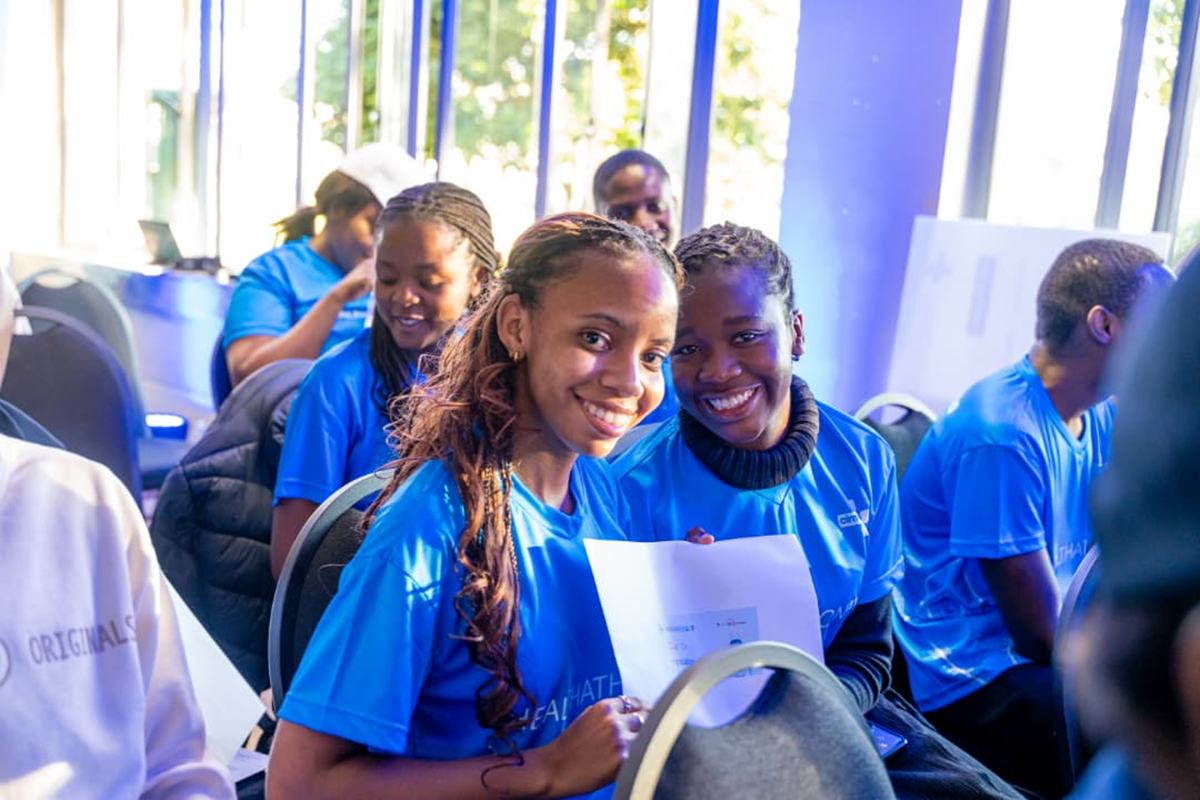
Today, her experience has become a source of strength and advocacy. Togara is now among a diverse group of participants from across East and Southern Africa attending the Africa Centres for Disease Control and Prevention Mental Health Leadership Course. The programme brings together journalists, lawyers, gender based violence advocates, health professionals and people with lived experience of mental illness in an effort to strengthen mental health leadership across the continent.
“I have had the opportunity to attend the Mental Health Leadership Programme, which has widened my horizon and helped me understand how I can further advocate for mental health issues,” said Togara.
The course reflects Africa CDC’s growing recognition that addressing mental health challenges requires voices beyond the traditional health sector.
Another participant, a medical practitioner from Angola, Dr Silke Antonio, said the programme is helping professionals better understand the scale of mental health challenges affecting communities across Africa.
“It has been an honour to be here to learn about mental health. In Angola we have many issues in the health field, including mental health. There is still a huge gap when it comes to mental health services. The issue is poorly understood, yet it affects families and communities every day,” said Dr Antonio.
For Sinawo Fatyi, a gender based violence survivor from Eastern Cape in South Africa, the course represents an opportunity to ensure that lived experiences inform mental health advocacy.
“I went through emotional trauma as a result of gender based violence. My experience did not limit me but helped me make a positive impact because I now motivate other survivors of GBV,” said Fatyia.
“I believe this training by Africa CDC is important because it recognises the role of lived experience in addressing mental health challenges.”
Fatyia said she plans to apply lessons from the training in her community to strengthen awareness and support for survivors of gender based violence and domestic abuse who are struggling with trauma and mental health conditions.
Participants from the education and religious sectors are also taking part in the programme.
Andrew Sserugo, a teacher and religious director, said mental health awareness should begin early in life, particularly among school going children.
“During my teaching profession I have found that many children are facing mental health challenges due to a number of issues. If you look closely, you will see that many drug and substance abuse cases begin when young people are still in school,” said Sserugo.
“It is important to address these challenges early. This short course on mental health has had a significant impact on me and I intend to use this knowledge within my sphere of influence.”
The diversity of participants reflects Africa CDC’s broader strategy to build a continent wide network of mental health advocates capable of supporting policy change, awareness and service delivery.
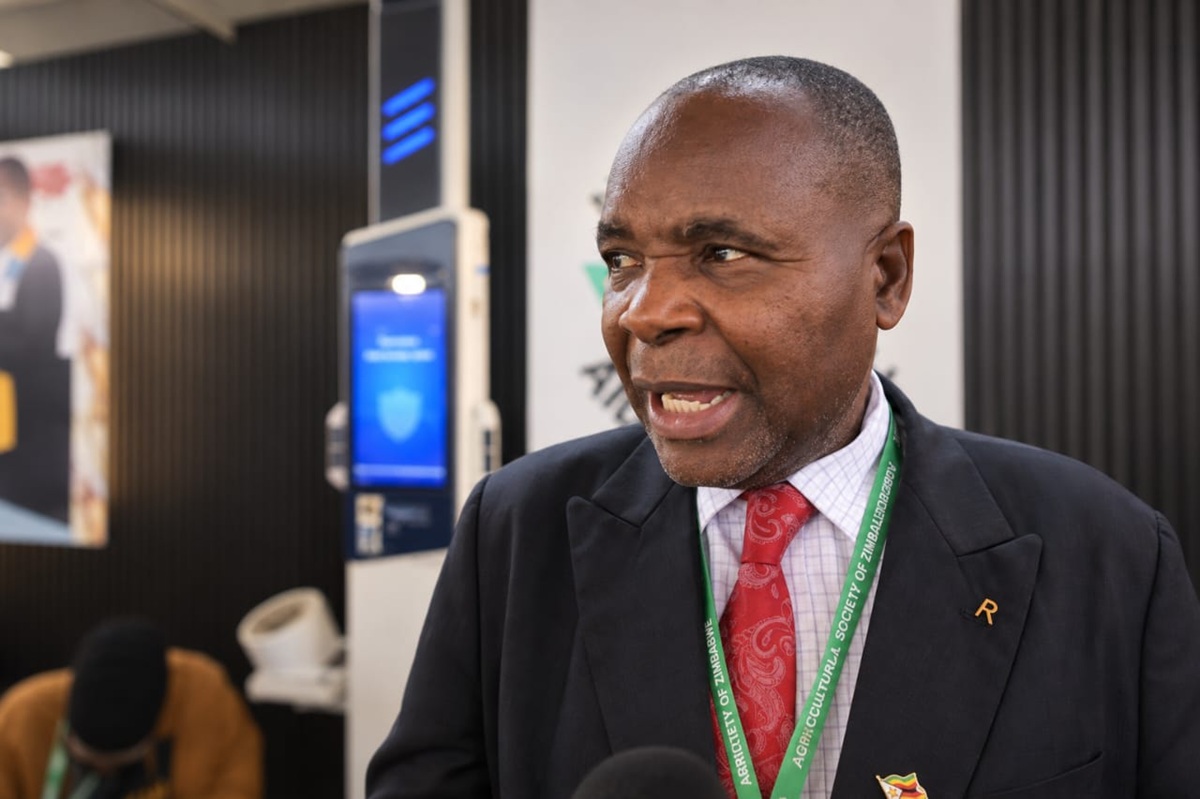
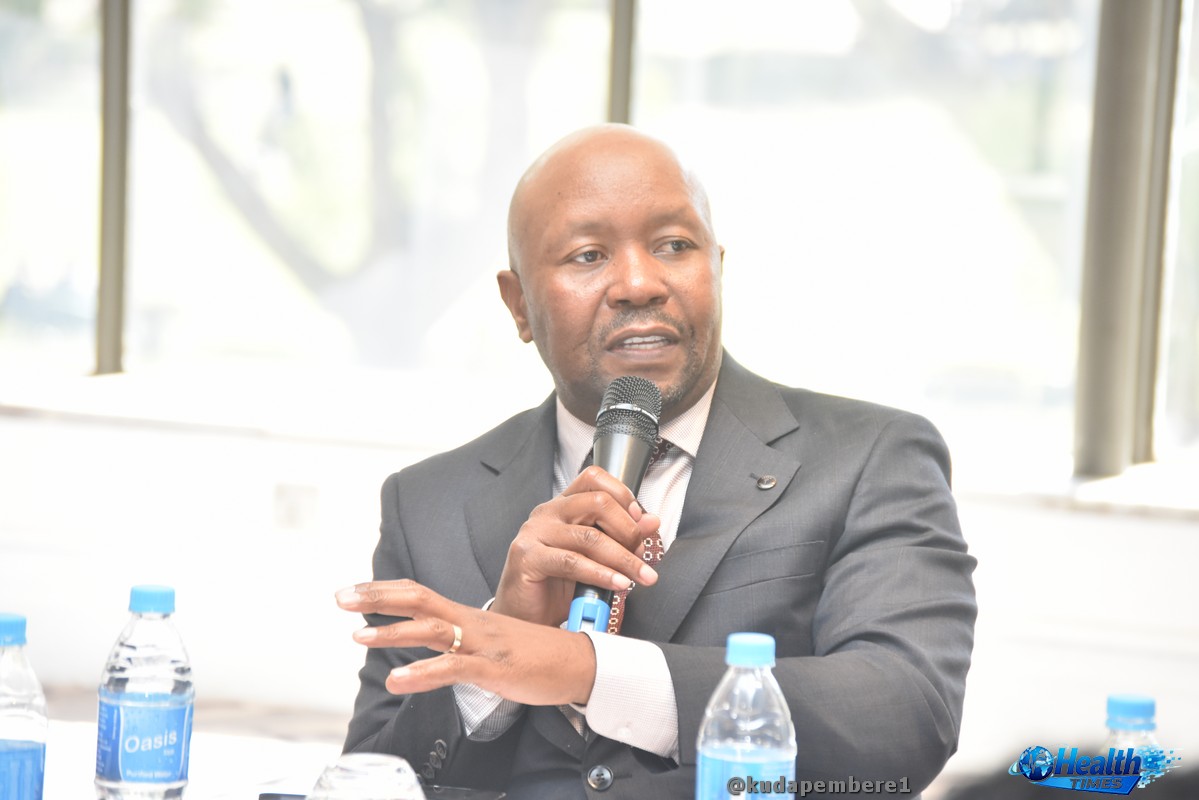
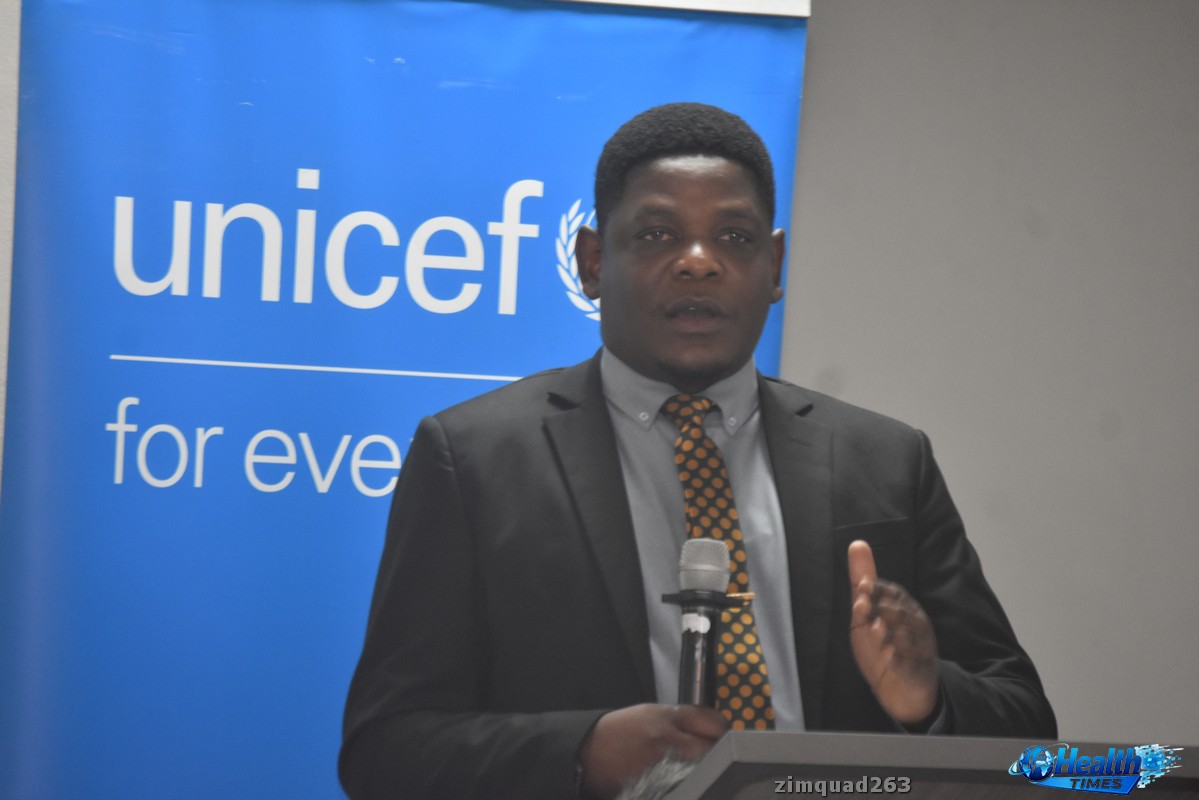
Speaking in an interview with HealthTimes, Dr Mohammed Abdulaziz, Head of Division for Disease Control and Prevention at Africa CDC, said the leadership programme was designed to respond to major gaps within Africa’s mental health systems.
“The Africa CDC Mental Health Leadership Programme was designed to address the challenges within the mental health system across the continent,” said Dr Abdulaziz.
He noted that Africa continues to face a significant mental health treatment gap, largely due to a shortage of trained professionals.
“Across Africa we do not have the required workforce to manage and treat mental health conditions. In some estimates, more than 90 percent of people who require treatment do not have access to a qualified mental health practitioner who can support them,” he said.
According to Dr Abdulaziz, it is unrealistic to expect that African countries will train enough psychiatrists and specialised professionals within the timeframe required to meet the growing demand for mental health services.
“We cannot wait to train the number of psychiatrists and mental health nurses that would be required to close the gap. That is why we are promoting the integration of mental health services into primary health care systems,” he said.
Integrating mental health into primary health care allows communities to access services closer to where they live while also expanding the number of health workers who can provide basic mental health support.
Dr Abdulaziz also highlighted outdated mental health laws as another challenge affecting the continent.
“Many countries across Africa are still using very old mental health laws that are often discriminatory or do not reflect modern approaches to mental health care,” he said.
“We cannot build effective mental health systems if the laws that guide them remain outdated. Africa CDC is therefore supporting member states in reviewing and updating these legal frameworks.”
Another major gap lies in the limited availability of reliable mental health data.
“In mental health we do not have nearly enough surveillance data to guide decision making and advocacy,” he said.
“We need to strengthen data systems so that governments can make informed decisions and also advocate for more resources.”
Financing remains another critical challenge. Mental health programmes often receive limited funding compared to other areas of health.
“When we look at domestic financing or support from partners, funding for mental health remains very low. Strengthening surveillance and evidence can help us advocate for increased investment in mental health systems,” he said.
Dr Abdulaziz emphasised that addressing these challenges requires a whole of society approach that involves multiple sectors beyond the health system.
“We know that strengthening mental health requires a whole of government and whole of society approach,” he said.
He noted that the Africa Union Assembly recently adopted a continental multi sectoral coordination framework developed by Africa CDC to guide advocacy and action on mental health across member states.
“All of the interventions we are discussing require public health competencies, leadership and advocacy. That is why the Mental Health Leadership Programme is so important,” he said.
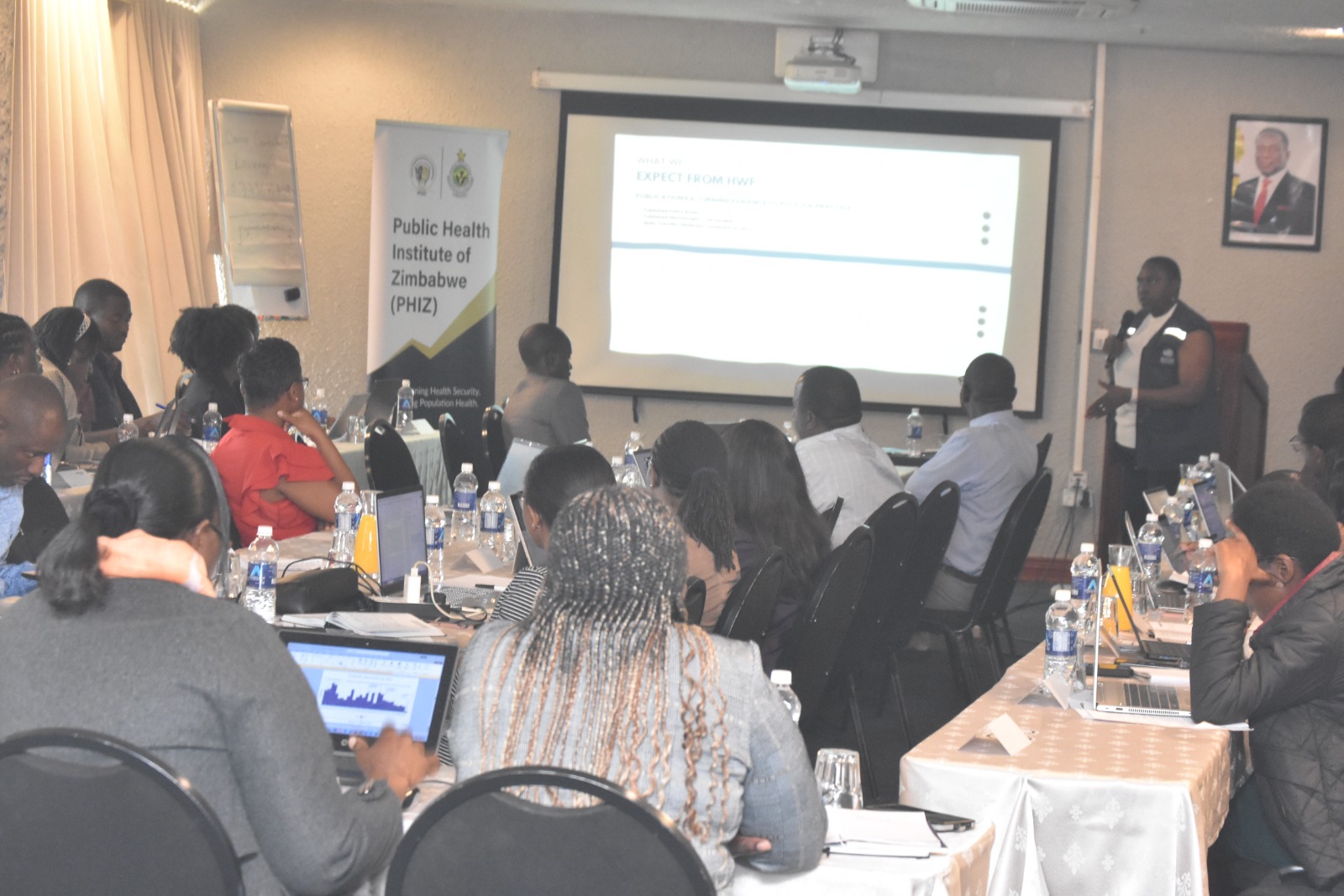
Zimbabwe is hosting the short course component of the programme for Southern Africa, bringing together more than 25 participants from several countries across the continent.
The training equips participants with knowledge on mental health challenges in Africa and prepares them to advocate for stronger mental health systems in their respective communities and professional sectors.
Dr Abdulaziz said the initiative aims to create a network of leaders who can champion mental health reform across the continent.
“If we want to adopt a multisector approach to mental health, then we must also train advocates from different backgrounds. That is why you see journalists, lawyers, health professionals and people with lived experience participating in this programme,” he said.
The intensive two week course provides participants with practical knowledge on public mental health, policy advocacy and leadership. Zimbabwe is hosting the training for the second consecutive year. For participants like Togara, the programme represents more than professional training. It is an opportunity to transform personal experiences into advocacy that could help reshape mental health systems across Africa.