Michael Gwarisa
Women’s groups in Zimbabwe are urging action, not promises, as the National Development Strategy 2 places gender equality and social inclusion at the heart of national development.
In light of the NDS2 launched in December 2025, women have vowed to be proactive in ensuring the strategy does not become just another document that gathers dust without delivering real change in their lives.
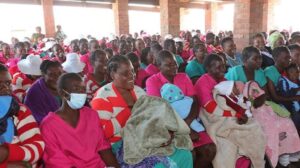
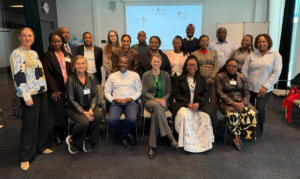
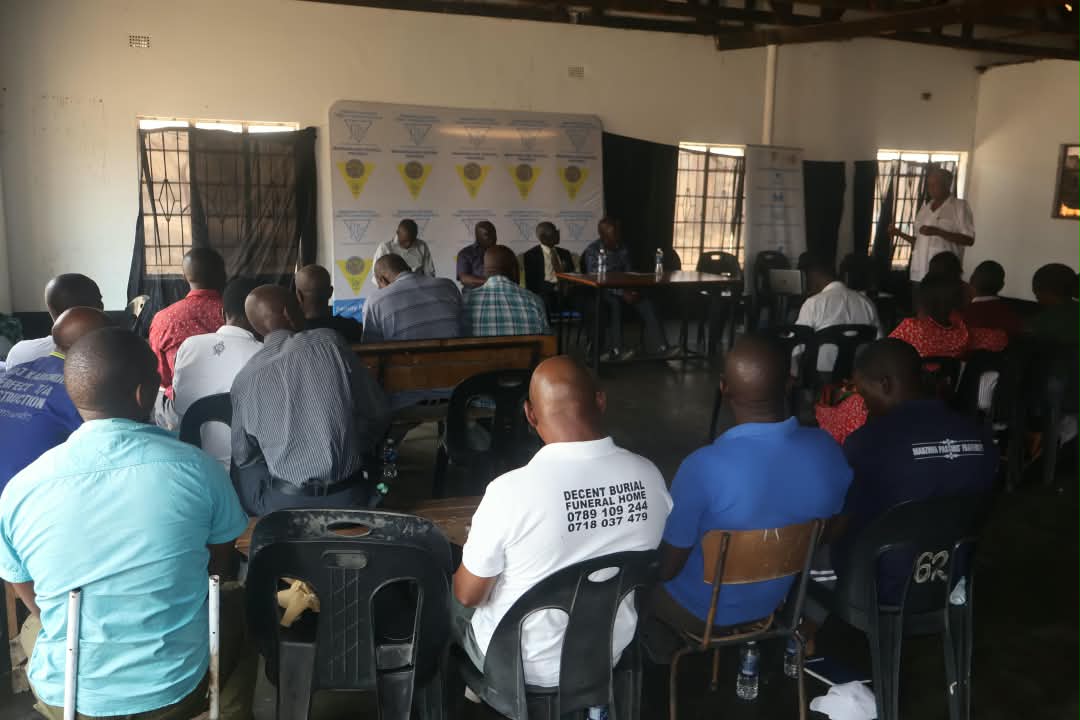
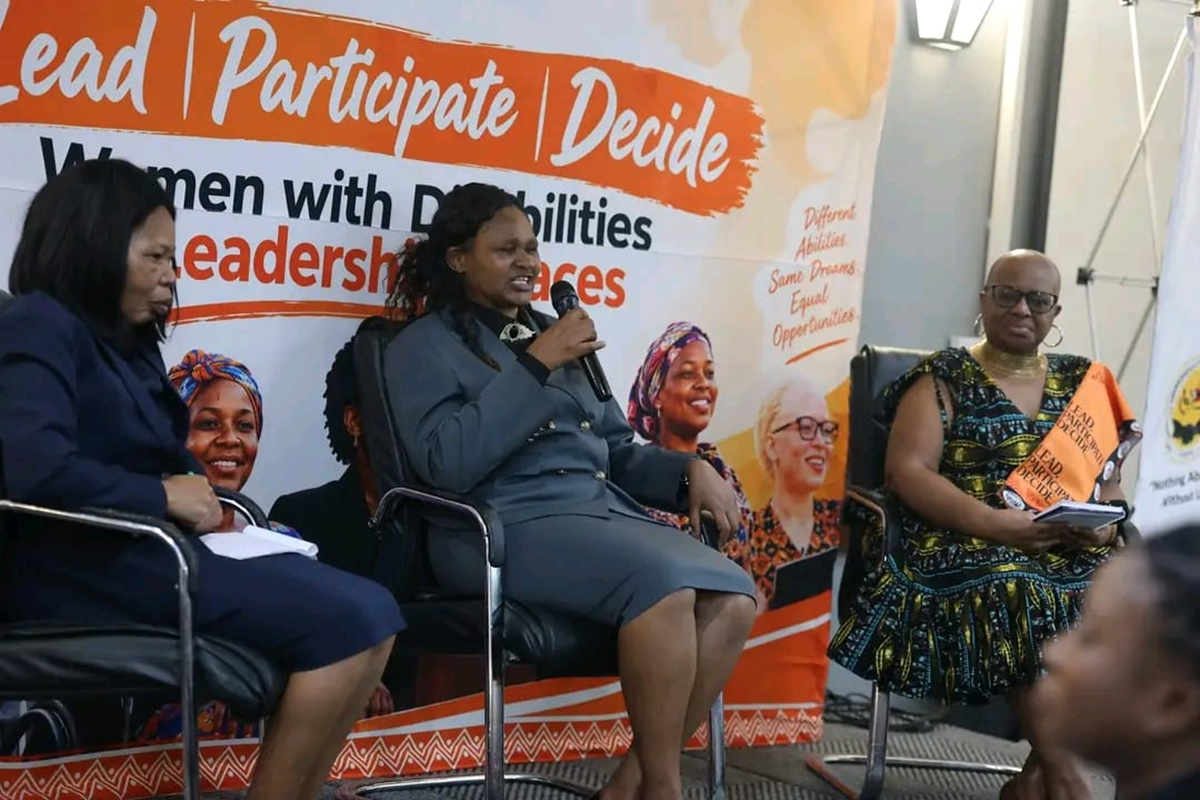
This emerged during an event held to celebrate the NDS2 and its inclusion of gender equality and social inclusion among its key priorities. The event was organised by the Women’s Coalition of Zimbabwe (WCoZ).
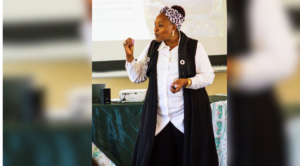
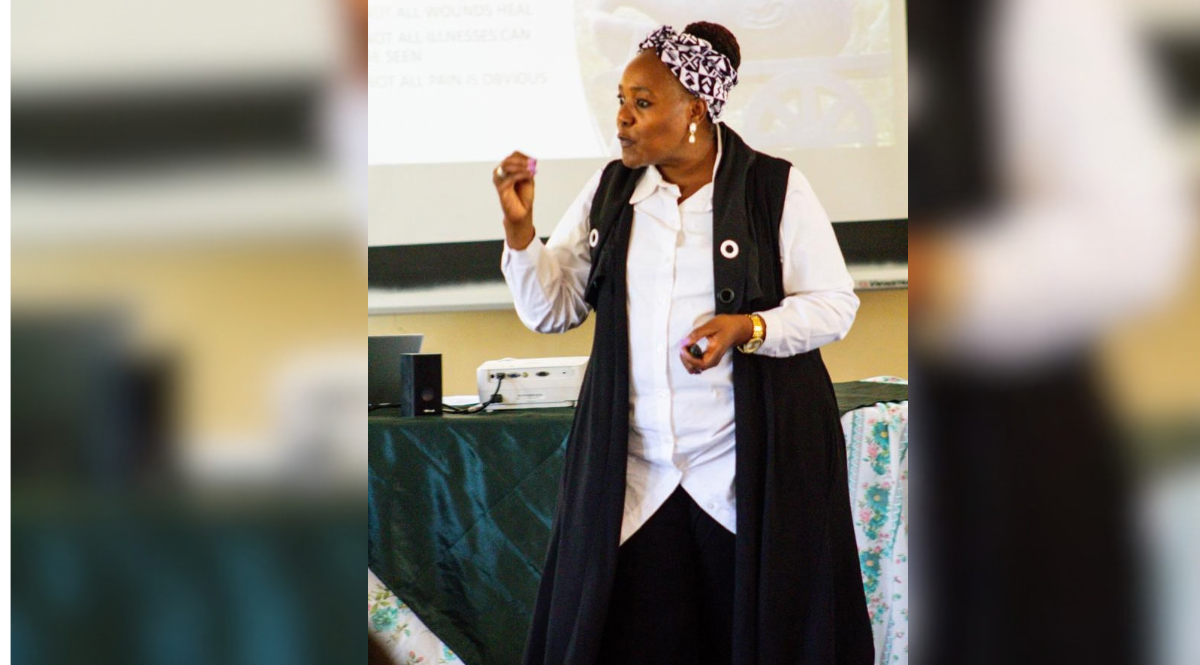
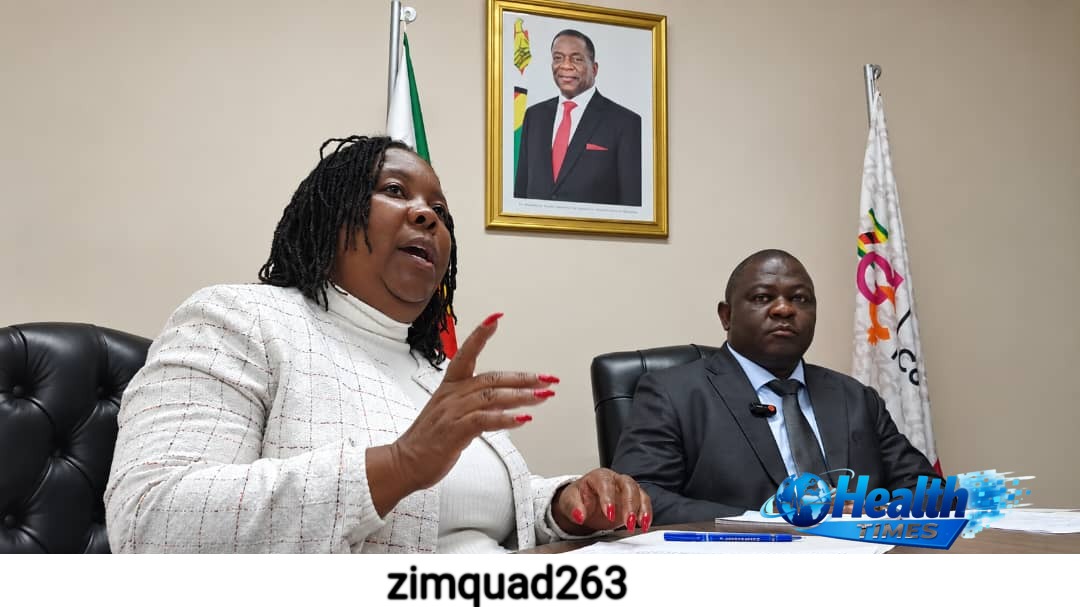
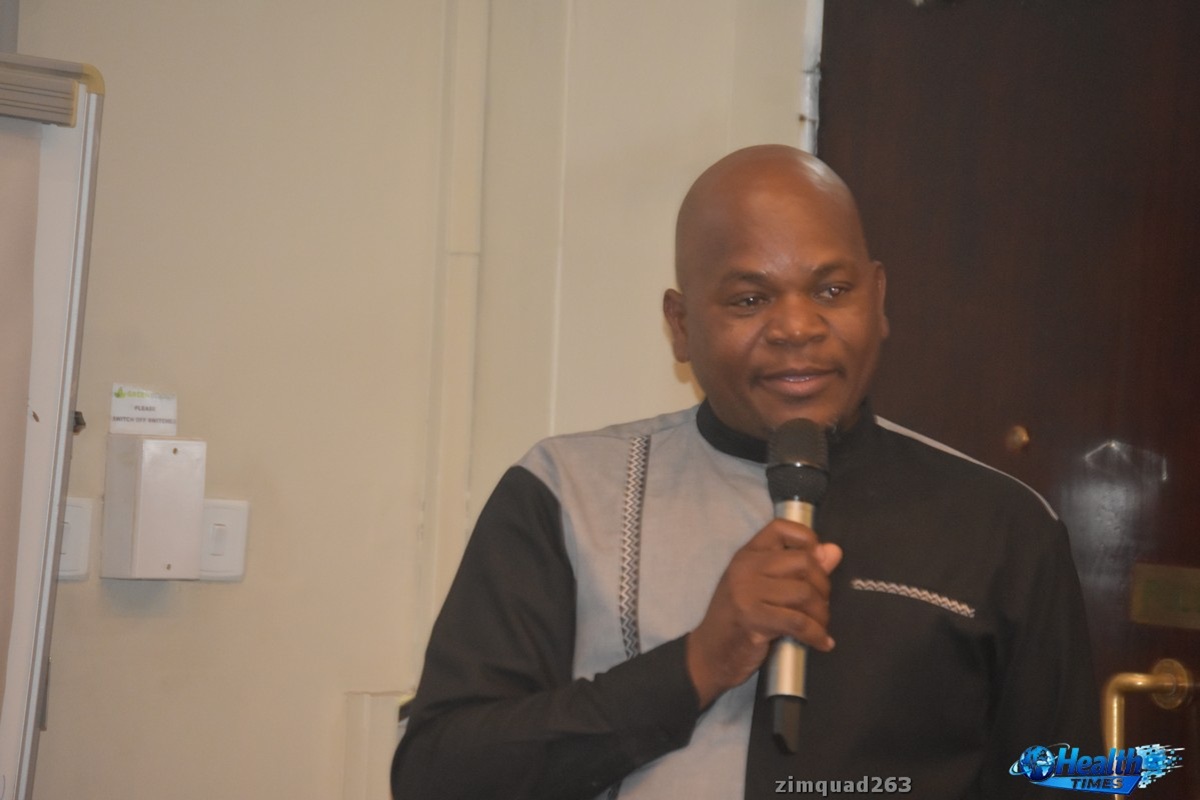
Speaking at the event, Lilian Matsika-Takaendisa, Chief Director in the Ministry of Women Affairs, Gender, Community, Small and Medium Enterprises Development, said women should take advantage of the new strategy and its promises to benefit economically and socially rather than remain on the sidelines.
“As we move into NDS2, I also want to say that under the NDS1 mainstreaming agenda, we recorded a lot of progress. I will just mention a few. We developed and reviewed key gender policies and launched the National Gender Policy and the National Gender Mainstreaming Coordination Framework, which strengthened the institutional foundation of gender mainstreaming in the country,” said Takaendisa.
The first NDS scaled up gender-based violence prevention and response initiatives, contributing to improved awareness, services, and coordination mechanisms. However, only a few women fully participated in the opportunities created under the strategy before it expired in 2025.
“The issue of women’s leadership and participation in politics, economics, and national decision-making structures is very important. What are we doing to ensure that even in the private sector, women are included?” she said.
She also called on all stakeholders to be intentional in addressing the abuse of young girls, often disguised as marriage, and to eliminate the practice. She emphasised that children cannot be wives and said such acts should be called what they are, rape.
WCoZ Chairperson Muchanyaradzi Mukamuri urged women to take advantage of NDS2 to improve their living standards, economic prospects, and positioning in society.
“We are celebrating because gender equality and social inclusion have been added as a key pillar in NDS2. We are also here to discuss what we want to see as a women’s movement during the implementation of NDS2 over the five-year period,” said Mukamuri.
She added that women want to see greater representation in economic, social, and political spaces.
“We want to see more women in decision-making roles and positions of power. During the five-year period, we also want to see women accessing finance to start and grow their businesses.”
Traditionally, women in Zimbabwe have had limited ownership of the means of production. Participants at the event said they want collateral requirements reviewed and access to finance improved for women through financial institutions. Mukamuri added that gender-based violence continues to hinder women’s prosperity, and it is their hope that NDS2 will address this challenge.
Meanwhile, the Zimbabwe Gender Commission (ZGC) said it has put in place mechanisms to track NDS2 commitments and ensure that gender equality, social inclusion, and women’s empowerment are fully implemented.
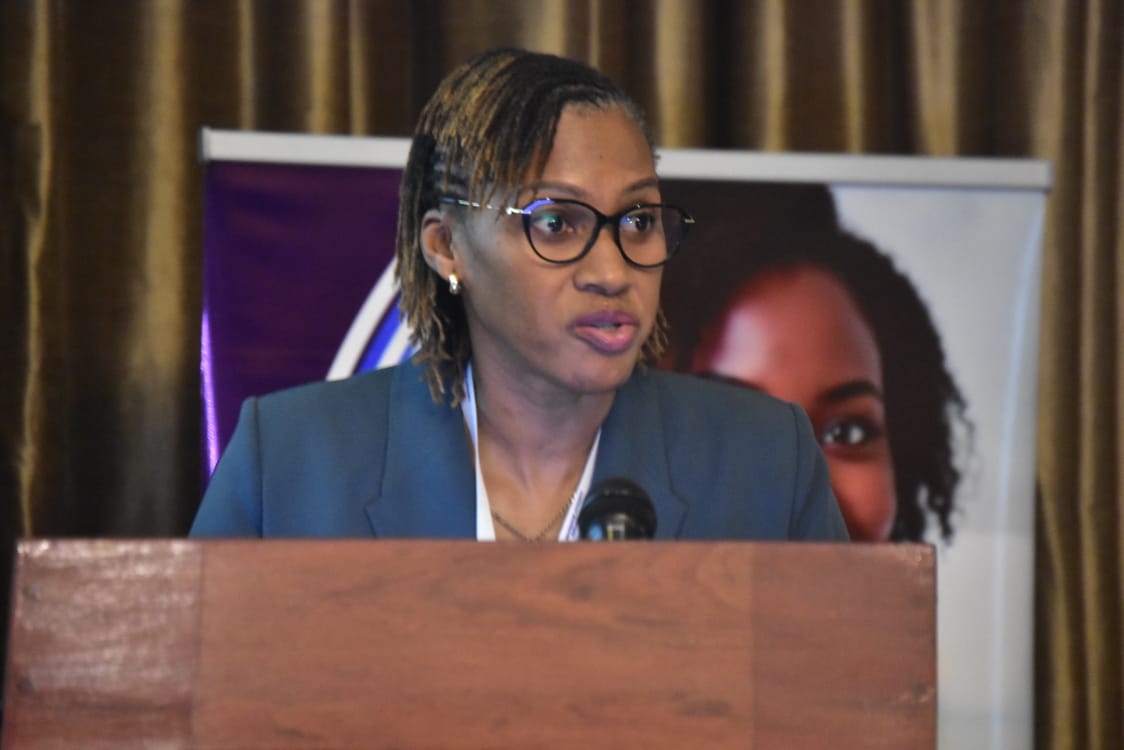
“We have an indicator that will track gender-responsive budgeting. We must also strengthen oversight institutions such as the Zimbabwe Gender Commission, Parliament, and the Auditor General’s Office, giving them the capacity and authority to hold ministries, departments, and agencies accountable to their gender commitments,” said Faith Ururu, Monitoring and Evaluation Officer at ZGC.
She added that institutional gender audits can be a powerful tool to assess how well gender is being integrated into operations, culture, policies, and programmes. This is one of the areas the Commission is currently working on.
“We also need to include gender targets within the performance contracts of permanent secretaries and heads of parastatals, because what gets measured gets done if senior leadership is formally evaluated on their progress towards gender equality,” she said.