Michael Gwarisa
In many African contexts, a man is often measured by his virility and his ability to procreate. When this does not happen, the emotional and psychological burden of shame and pressure can be immense and deeply damaging.
For 49-year-old Robson Mwenda, who has been married to his wife Liz for the past 20 years, the absence of children has left an indelible crack in their marriage.
“We are still hanging on,” says Robson. “Nothing wears me out like watching the days go by knowing very well that I may never have children of my own.”
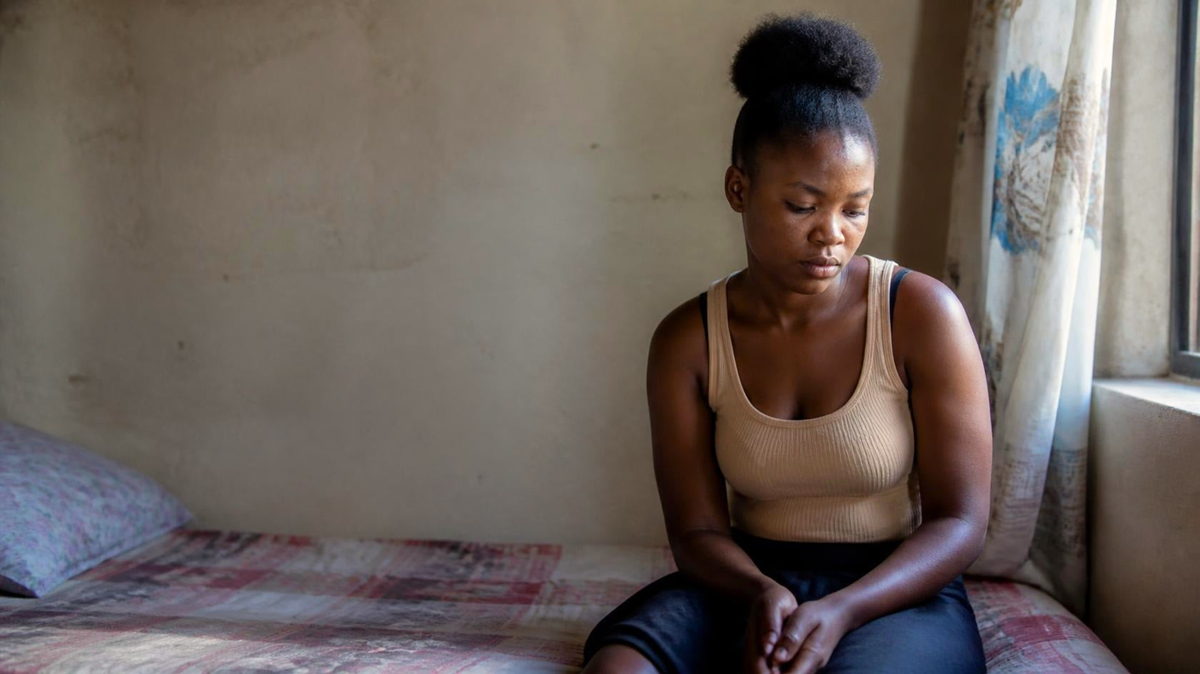
His wife Liz has since stopped attending church regularly, saying she no longer feels welcome in spaces that, in her view, stigmatise women without children.
“I used to go to the China Chemadzimai (women’s weekly gathering), but one day the pastor’s wife called for an altar call for women who were struggling to conceive. The terms she used, ‘vane zvibereko zvakatukwa’ (those with cursed wombs), really broke me. From that day, I have always viewed myself as cursed,” said Liz, her voice breaking.
Although Liz later visited a fertility clinic in Harare, where she was told that her reproductive health was normal and that she is able to conceive, her husband says he is unwilling to undergo testing or engage further with fertility services.
Society often looks down upon couples who struggle to conceive. The situation becomes even more painful when infertility is assumed to be solely a woman’s issue. However, medical evidence shows that infertility is a 50-50 scenario, with both men and women equally affected.
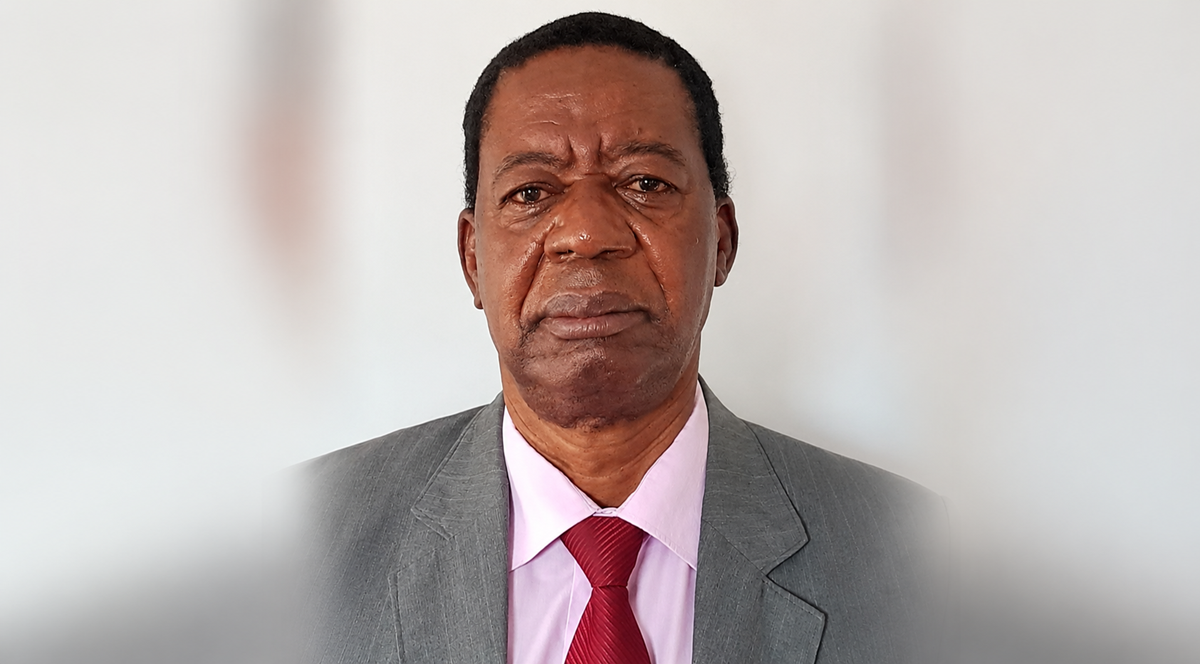
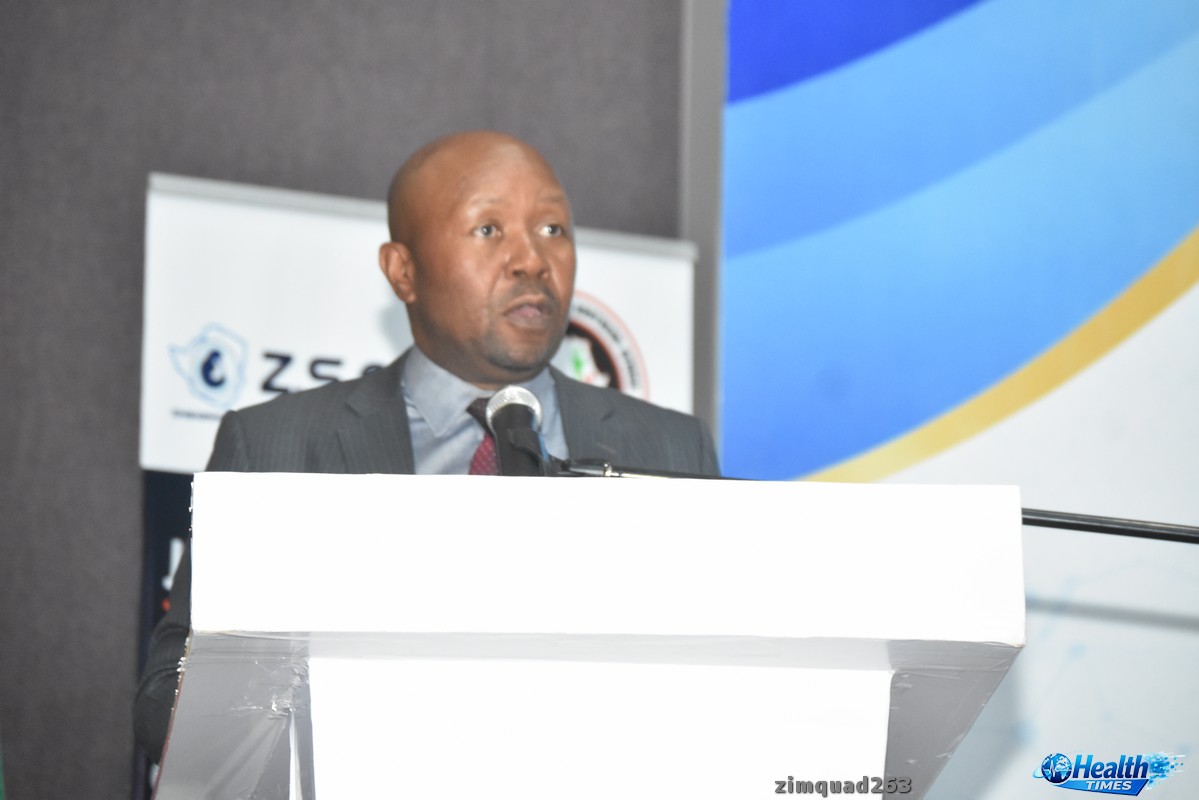
In an interview with HealthTimes, leading Zimbabwean gynaecologist and obstetrician Dr Mugove Madziyire said stigma remains a major barrier preventing men from seeking fertility care.
“Terms like ‘kufaya mablanks’ (firing blanks) or ‘kuita hwejongwe’ are some of the stigmatising expressions that contribute to poor male health-seeking behaviour,” said Dr Madziyire.
He added that up to 15 percent of couples struggle to conceive, meaning that out of every 100 couples, about 15 may experience fertility challenges.
“Males are equally affected by infertility just like women. It is a 50-50 situation. There is no basis for pointing fingers or blaming women, because infertility can be due to male factors as well,” he said.
Dr Madziyire further explained that infertility can begin at the earliest stage of the reproductive process, including sexual function. In some cases, men may experience challenges with erection or other physiological issues that affect their ability to conceive.