Michael Gwarisa
Zimbabwe is strengthening its public health decision-making by equipping government officials with critical data analysis skills, following the completion of a six-month Data-to-Policy (D2P) training programme led by Vital Strategies.
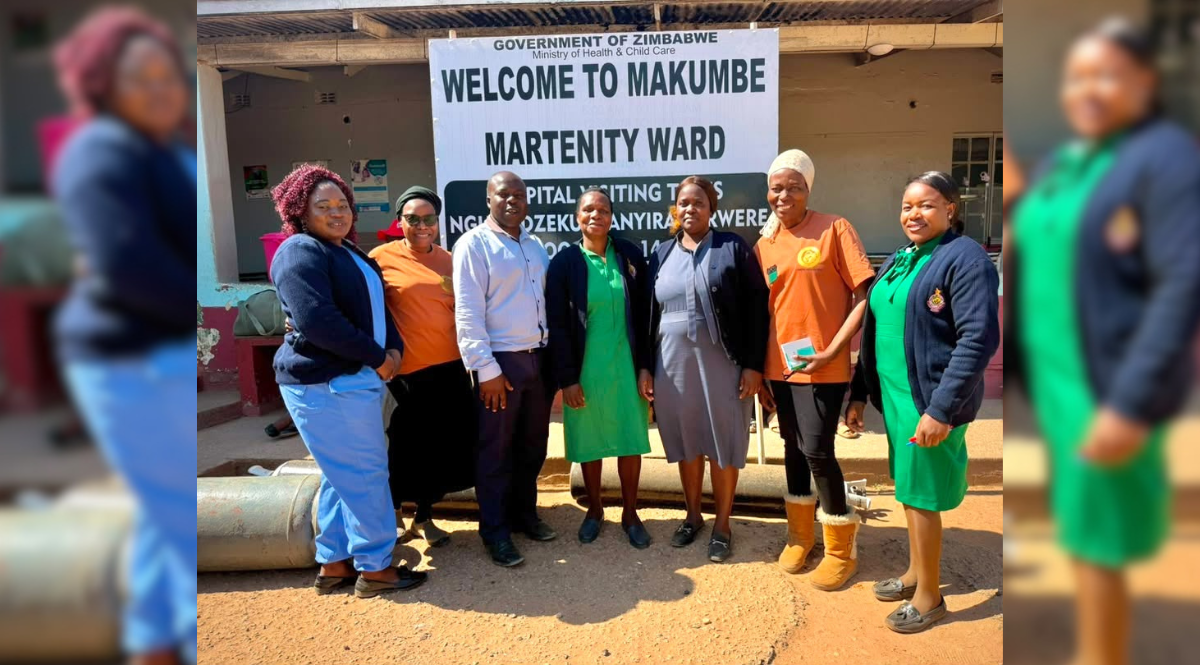
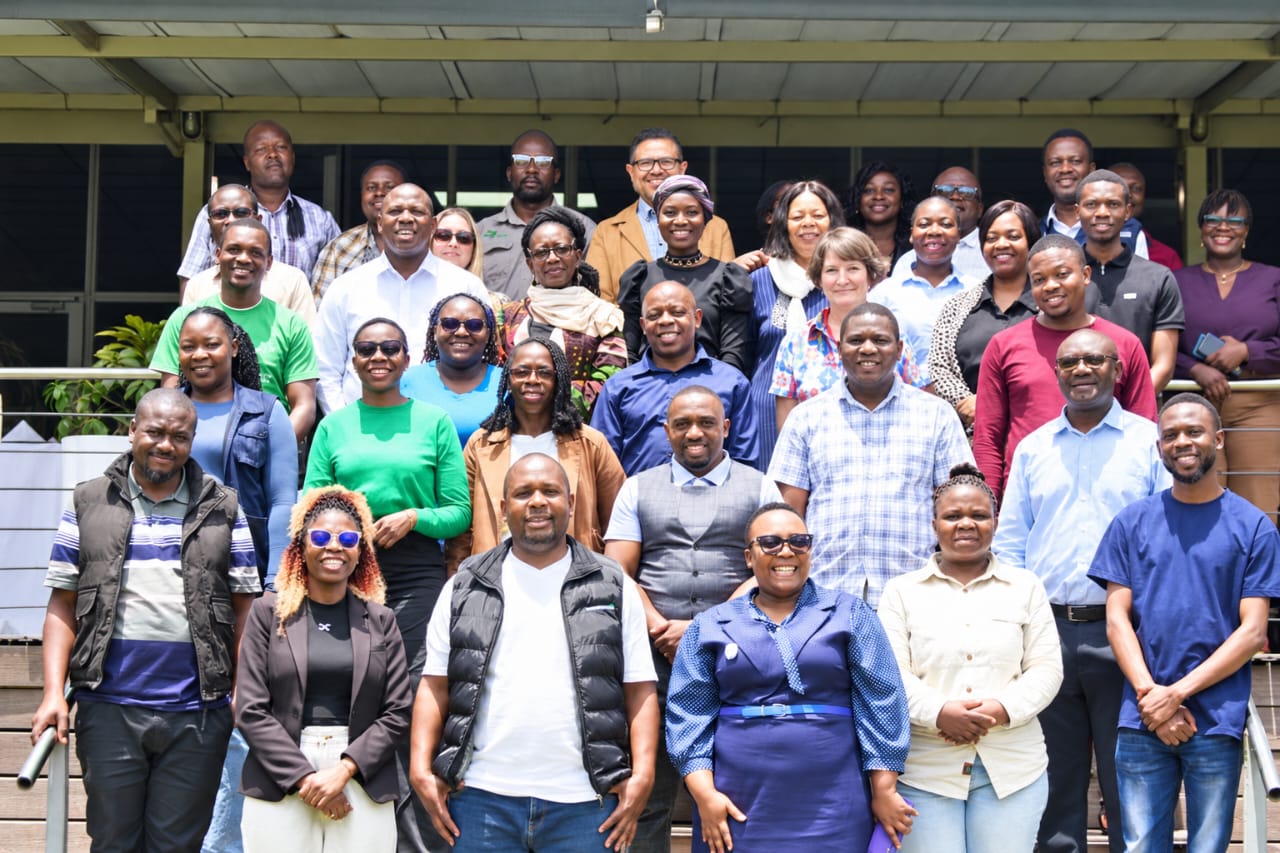
The latest cohort saw 19 participants from the Ministry of Health and Child Care (MoHCC) and the Ministry of Women Affairs, Community, Small and Medium Enterprise Development (MWACSMED) complete the intensive training, which focuses on bridging the gap between data collection and policy formulation. Initially, the cohort comprised 20 trainees. However, one participant passed away during the course and was honoured with a posthumous graduation.
The training, facilitated by global public health organisation Vital Strategies in partnership with the CDC Foundation, aims to empower public health professionals to translate evidence into actionable policies that address Zimbabwe’s most pressing health challenges.
Speaking in an interview with HealthTimes, Vital Strategies Country Coordinator Ronald Timbe said the initiative is already yielding positive results.
“I think this programme has been well-received,” said Timbe. “On the first training, we were not quite sure whether the policies or recommendations made were going to be taken forward, but we have seen that there is a keen interest from the Ministry of Health and even the Ministry of Women Affairs in terms of taking further these policy recommendations.”
Timbe said the D2P programme is specifically tailored to capacitate government officials with practical tools to analyse data and develop evidence-based policy briefs.
“This programme is about capacitating public health managers to use data to inform policies,” he said. “We are seeing participants developing policy briefs that can directly inform decision-making within their respective ministries.”
The training involved hands-on learning, including the use of modelling techniques, cost-effectiveness analysis, and evaluation tools to assess the impact of potential interventions. Participants were guided through the process of developing policy briefs based on real public health challenges.
Timbe explained that this cohort builds on a previous training conducted in 2024, reflecting growing demand for data-driven policy development within government institutions.
“For this current training, there were 19 participants, with teams focusing on key issues aligned with national priorities,” he said. “They were looking at areas where new policies or interventions could reduce the burden of diseases and improve health outcomes.”
Participants worked on a range of topics. A team from the Ministry of Women Affairs examined menstrual health and hygiene, analysing how improved access to sanitary products could reduce infections and improve outcomes for adolescent girls, particularly those out of school.
Within the Ministry of Health, one group focused on improving access to rabies post-exposure prophylaxis, especially in rural areas where limited documentation on dog vaccinations contributes to preventable rabies deaths. Another team explored the effectiveness of nutritional supplements, assessing the potential adoption of multiple micronutrient supplementation to combat maternal anaemia to reduce neonatal mortality
A third group investigated cholera outbreaks among artisanal miners, proposing interventions such as hygiene kits and multi-sectoral collaboration to reduce disease transmission in high-risk areas.
Timbe said such policy briefs are critical in guiding government decisions.
“These policy recommendations are not just theoretical—they are practical tools that ministries can use to implement change,” he said. “We are encouraged by the level of engagement and the willingness to take these recommendations forward.”
Participants who completed the course also highlighted its impact on their professional work.
Lorine Ndangana, from the Ministry of Health, said the training addressed a critical gap in data utilisation.
“I’ve been a participant in the Data to Policy training, and I think this training is very important,” she said. “In my line of work, we collect a lot of data, but at times we face challenges in analysing it and identifying problems.”
She added that the programme has strengthened her ability to interpret data and develop solutions.
“The training was instrumental in that I am now able to analyse data, identify problems in our department, and come up with policy options,” Ndangana said.
Ndangana further noted that exposure to research methods and policy analysis tools has significantly improved the quality of their work, enabling them to produce more comprehensive and evidence-based policy briefs.
Loyce Mara Kadzunge, a Principal Administrative Officer in the Ministry of Women Affairs, specialising in Skills Training and Entrepreneurship Development, described the training as transformative.
“With this training of Data to Policy, it was really an eye-opener,” she said. “Previously, when asked to come up with a policy, I relied mostly on desk research without much analysis.”
She said the programme introduced her to critical approaches such as cost analysis and deeper literature review.
“I really learned a lot in terms of analysing the cost of policies,” Kadzunge said. “Our menstrual health hygiene policy brief is going to benefit many women, especially young girls and marginalised groups.”
Kadzunge expressed hope that the work produced through the training will lead to tangible policy changes, including improved access to sanitary products.