Michael Gwarisa
The Africa Centres for Disease Control and Prevention (Africa CDC) has warned of a looming malaria crisis, driven by rising costs of polyester, a key raw material used in the production of mosquito nets.
Across Africa, where malaria remains endemic, long-lasting insecticidal nets are a primary line of defence against the anopheles mosquito, which transmits the disease. However, surging global prices are now threatening access to these critical supplies.
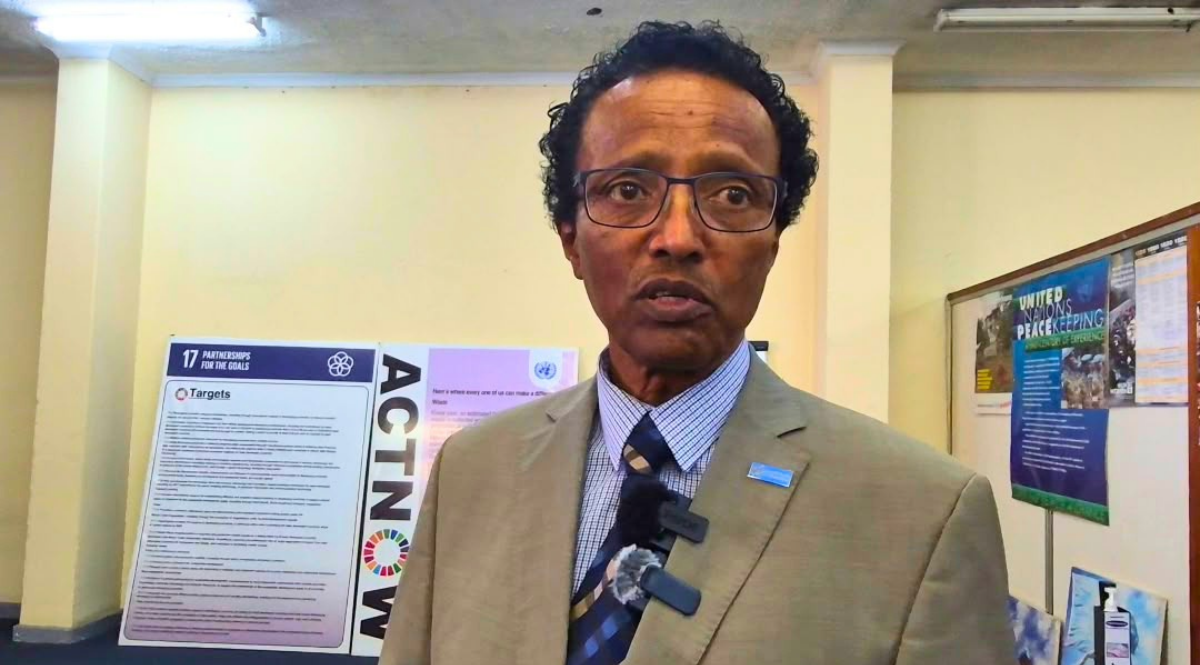
Responding to a question from HealthTimes during a weekly press briefing, Africa CDC Director-General Dr Jean Kaseya said the continent’s health systems are already feeling the ripple effects of the conflict in the Middle East.
“From our side, we are seeing significant increases. There has been a rise of over 40 percent in the cost of polyester, which is the material used to make bed nets. This is critical because malaria remains the leading cause of death among children in Africa. If polyester prices rise by 40 percent, it directly drives up the cost of bed nets,” said Dr Kaseya.
He added that UNICEF, the world’s largest supplier of health commodities, has also raised concern over rising production costs. According to a senior UNICEF spokesperson speaking to Devex, global oil prices have increased by between 10 to 20 percent, translating into a 5 to 12 percent rise in manufacturing costs for essential supplies.
While UNICEF estimates a baseline increase of around 12 percent in health commodities, Dr Kaseya warned that in some countries the rise could reach between 20 to 30 percent.
“The impact of this is severe,” he said. “Health ministers are now facing a difficult dilemma. If you have a fixed budget of $100 to procure medicines and prices increase, you are left with two options: either reduce the quantity of medicines you purchase or find additional funding, which is often not available.”
For countries like Zimbabwe, the situation could worsen following the withdrawal of United States funding earlier this year after a disputed Memorandum of Understanding. The Global Fund to Fight AIDS, Tuberculosis and Malaria remains the primary financier of long-lasting insecticidal nets, while the U.S. government, through USAID and the President’s Malaria Initiative, has also played a key role in procurement and distribution in partnership with the Ministry of Health and Child Care.
Dr Kaseya cautioned against a third, more dangerous option — turning to substandard medicines — warning that it could put lives, particularly those of children, at risk.
He said African leaders are already under pressure as supply chains tighten. Asian manufacturers, who account for between 30 to 40 percent of UNICEF’s procurement volume, face growing risks of disruption, further compounding the challenge.
“Africa must think seriously and strategically about what needs to be done,” said Dr Kaseya, adding that discussions are underway to escalate the matter to heads of state, with Kenya’s President William Ruto expected to champion continental action.