By Michael Gwarisa in Durban
The Global Fund last night took to the platform at the ongoing 4th CPHIA Conference in Durban, South Africa, to call for support towards the 8th Replenishment, aimed at strengthening HIV programs amid shrinking donor support.
The Global Fund’s 8th Replenishment is a campaign launched in 2025 to raise 18 billion US dollars to fight HIV, TB, and malaria between 2027 and 2029. The 8th cycle aims to save 23 million lives, avert 400 million infections, reduce mortality by 64% compared to 2023, and strengthen health systems to prepare for future outbreaks.
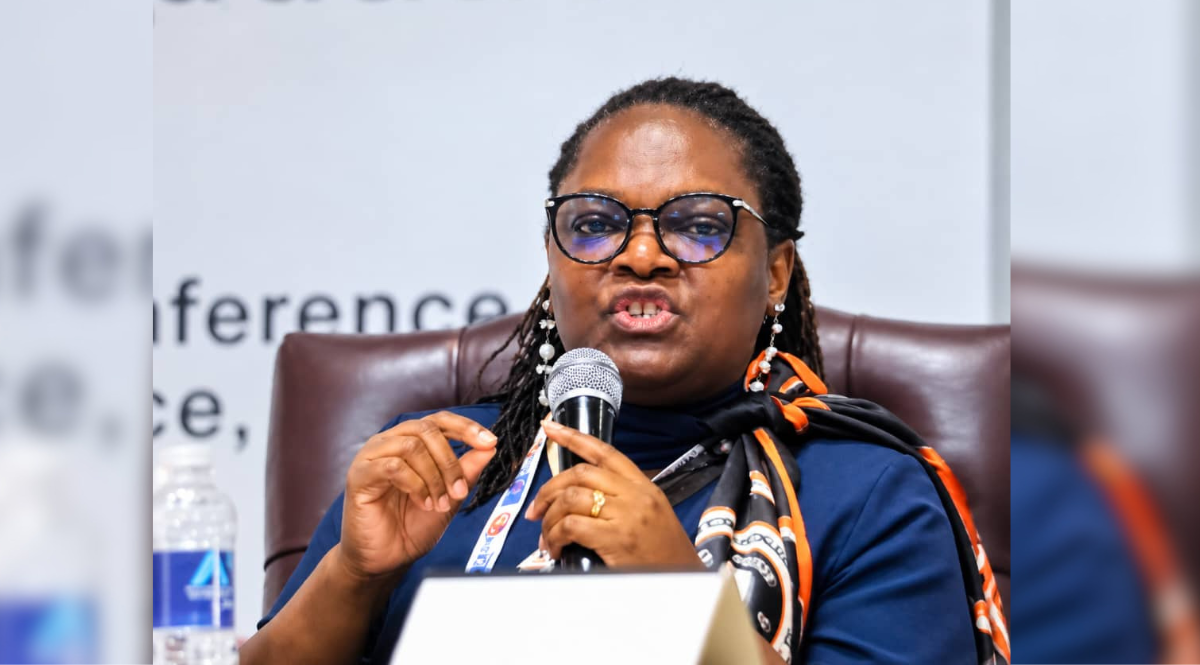
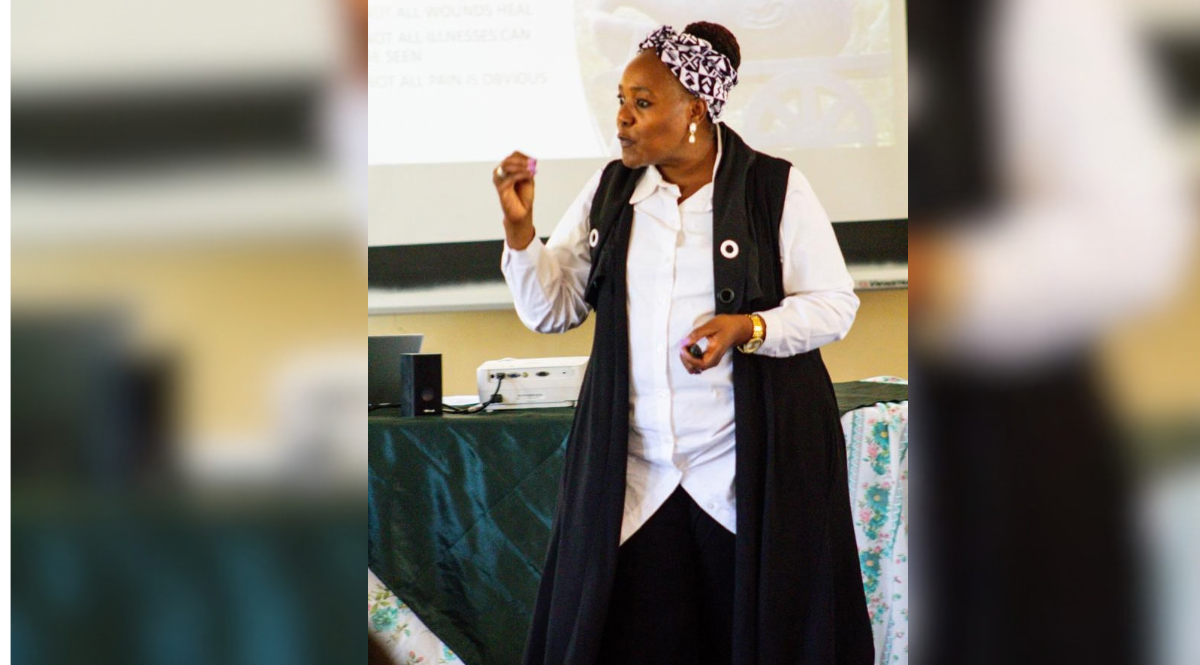
Speaking at the CPHIA 2025 official opening ceremony, Ms. Bience Gawanas, Vice Chair of the Board of The Global Fund to Fight AIDS, Tuberculosis and Malaria, said, the progress made in the HIV response risks a regression in the absence of adequate financial support.
The AIDS replenishment of the Global Fund this year, co-hosted by the Republic of South Africa and the United Kingdom, carries profound significance for Africa and for global health. Without renewed commitment and investment, the progress made could be undone.”
She added that over the last two decades, the Global Fund partnership has saved 70 million lives, the vast majority of them in Africa, through the support of donor governments, implementers, private sector partners, and affected communities.
“The upcoming replenishment is urgent and for good reason. We are calling on donors to step up so that an additional 23 million lives might be saved and mortality from HIV, TB, and malaria reduced by about 64% compared with today. This can be done.”
Ms. Gawanas said the United Kingdom’s co-hosting role strengthens the global partnership by bridging resource-rich donor countries and high-burden implementing nations, reinforcing the idea that health security and equity are shared global priorities.
“Together, this co-hosting sends a clear message. Africa is a key architect of the future of global health, and this replenishment is an opportunity to translate that role into concrete investments in African health systems, communities, and long-term resilience. We have the knowledge, we have the tools, and we have the track record,” she said.
Over the past decade, the Global Fund has invested more than 69 billion US dollars and helped reduce the combined death rate from HIV, TB, and malaria by 63% in the countries where it invests. More than 70% of these investments have been in Africa.
“In Africa in particular, where the Global Fund’s investments have helped change the course of these deadly diseases and build health and community systems from the ground up, a strong replenishment is not optional. It is a lifeline.”
She emphasized that it was time for Africa to build resilience and take greater ownership of HIV, TB, and malaria programs.
“When we talk about ownership, we are not just referring to ownership of the problem, but ownership of the solution. And that means putting money where it matters.”