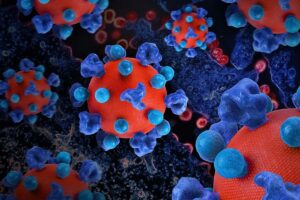

THE outbreak of Covid-19 in late December 2019, in China and its subsequent spread to other countries saw people with underlying conditions facing a mammoth task. Among these underlying conditions or diseases is asthma.
SOURCE: Ministry of Health and Child Care
Zimbabwean asthma allergy and immunology specialist, Professor Elopy Sibanda, who owns the Asthma, Allergy and Immunology Clinic in Harare answers some of the pertinent questions that most people who suffer from asthma need to know and the precautions they should take.
Professor Sibanda ruled out the notion that there is likely to be an increase in asthma cases.
“We do not expect an increase in true allergic asthma during this period,” said Prof Sibanda.
He added that asthma and COVID-19 display almost the same symptoms which may mislead some people thereby mistaking the two (2) conditions.
“An increase in asthma like symptoms can be expected. There are overlapping symptoms between asthma and SARSCovid-19 for example dry cough and shortness of breath,” pointed Prof Sibanda.
On another aspect, Prof Sibanda said the United States Centre for Disease Control (CDC) noted that there was increased risk patients with moderate to severe asthma.
“A high index of suspicion of COVID-19 should be exercised in patients newly presenting with these respiratory symptoms. The US CDC (updated 25 June 2020) list moderate to severe asthma as a condition that might put patients at increased risk of severe illness from COVID-19,” noted the Prof.
As a parting shot, Prof Sibanda advised asthma patients to consistently take their medication and practice social distancing and putting on personal protection equipment (PPE) such as masks.
“My advice to people diagnosed with asthma is they should continue with asthma treatment as prescribed, they should contact doctor’s office for advice and seek medical assistance promptly. Because of the potential of an increased severity of coexisting COVID-19 disease, patients should take additional steps to ensure physical distancing and consider medical masks when exposure is unavoidable,” said Prof Sibanda.