By Kuda Pembere
Nurses across Zimbabwe have begun withdrawing services, prompting Health Minister Dr Douglas Mombeshora to call for calm and urge a return to work amid ongoing negotiations.
The nurses began their job action on Monday following concerns over transport and fuel hikes, with a US$30 to US$40 salary increment triggering the industrial action. The industrial action ends Wednesday.
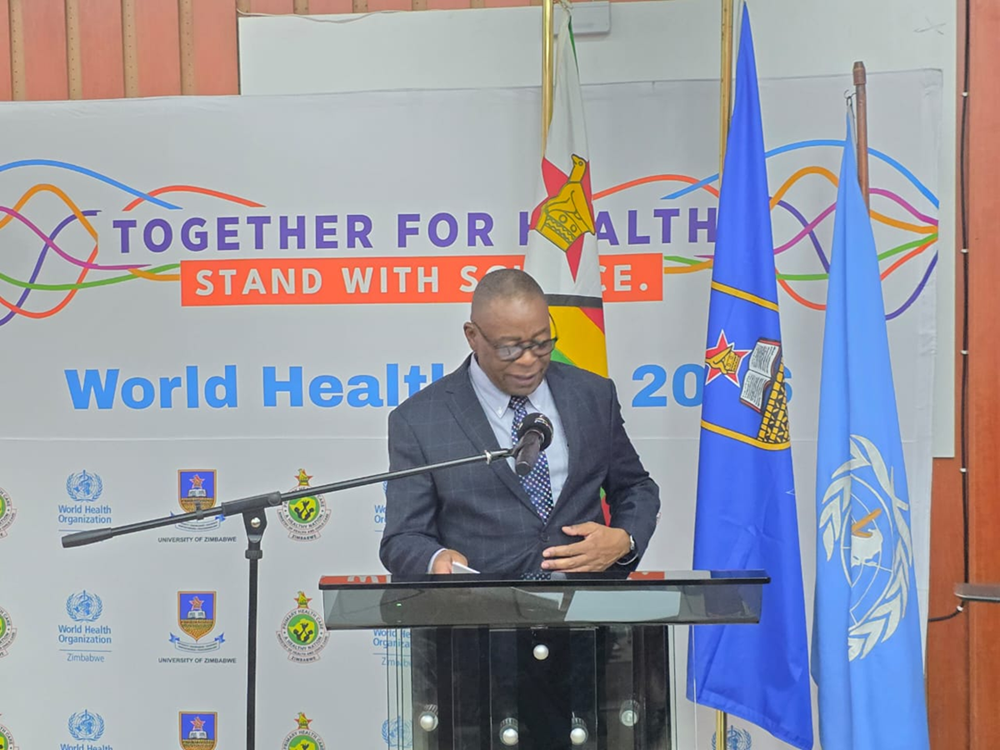
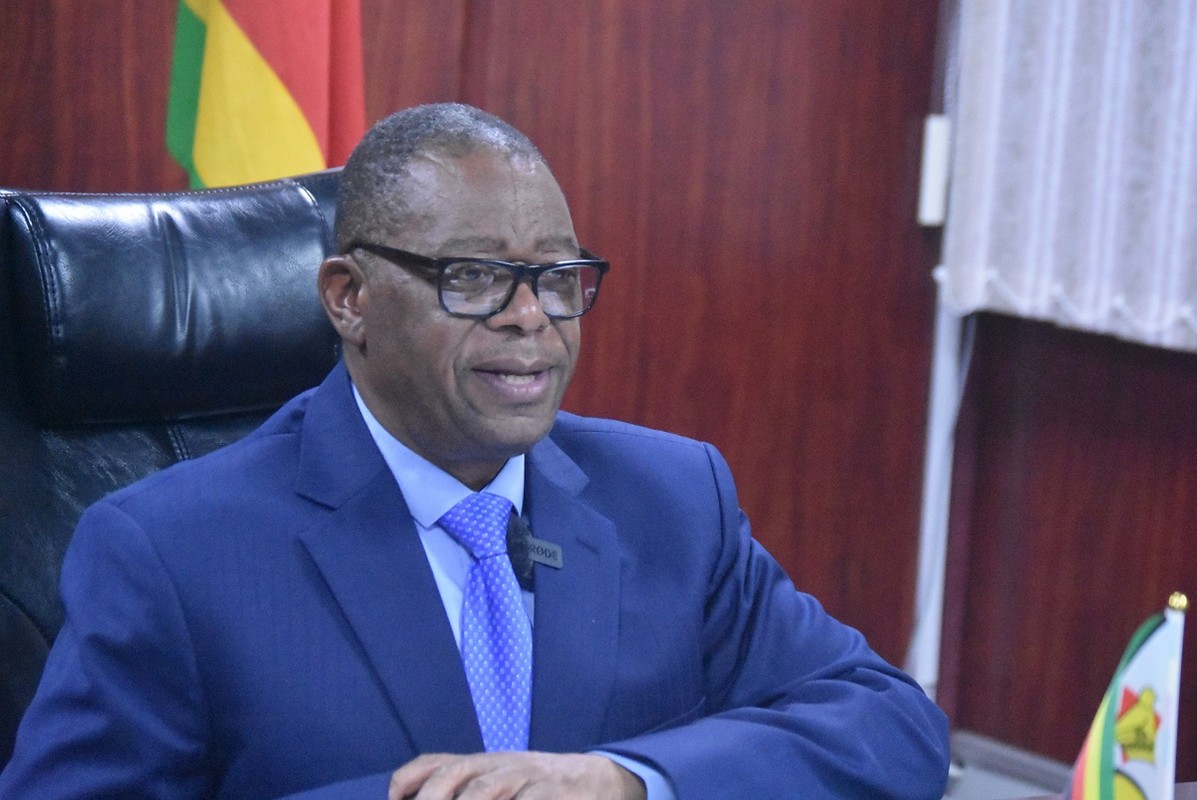
Addressing a press conference, Dr Mombeshora said Government had engaged the Health Apex Panel to address the concerns raised by health workers.
“I’m here to give you a statement regarding the industrial action by nurses that has taken place today. The Ministry of Health and Child Care acknowledges receipt of the concerns raised by nurses’ representatives through the Zimbabwe Nurses Association, following reports of withdrawal of services at some isolated health institutions.
“Government recognises the importance of these concerns and reaffirms its commitment to continued engagement through the appropriate channels,” he said. “In this regard, an extraordinary technical meeting has been convened between the Health Apex Panel and the Health Services Commission.”
He appealed to nurses to resume duties.
“Nonetheless, processes are underway to review the concerns in a structured and responsible manner, guided by the need to balance the delivery of critical health services with the welfare of health workers.
“The Government of Zimbabwe, led by His Excellency Dr ED Mnangagwa, remains committed to addressing issues that affect the well-being of its citizens,” he said. “The Ministry therefore appeals to these health workers who have withdrawn their services to suspend the industrial action and allow space for constructive dialogue and orderly engagement in the best interests of patients and the nation at large.”
Zimbabwe Nurses Association (ZINA) president Enock Dongo said last Friday, nurses had initially issued a 14-day notice to Government, through the Health Services Commission, over remuneration concerns, with the strike originally set for April 15.
However, after engagements in which Government reportedly promised salaries of about US$600, nurses were shocked to receive only a modest increment, largely in local currency.
The development prompted ZINA to proceed with strike action after issuing a fresh 48-hour notice.
Dongo said while Government had shown willingness to engage, it had failed to present a meaningful offer.
“But we are now in the second quarter and we thought we were going to get something in April. But to our surprise, what they promised us in our last engagement is not what we got. We were expecting something like more than $550 to $600 into the nurses’ accounts, according to the figures that we had agreed on,” he said.
He added that the US$30 increment was largely in ZiG currency and varied across employees.
“But to our surprise, our people remain where they were before. Those who managed to get some increment received something like $30 to $40 in ZiG, not in hard currency. In US dollars, no one has received anything.
“But in the ZiG component, that is where a few got increases, and it varied from one person to another,” he said.
Dongo said nurses had initially intended to down tools immediately but postponed the strike to allow due process and give Government time to respond.
“This has necessitated where we are today, where we have given notice which was supposed to start today.
“The nurses wanted to go on strike. As you can see, there were so many nurses coming in, eager to strike.
“Why we decided to move it to Monday is to give the legal process a chance. Our notice had expired yesterday and we were supposed to start the industrial action today if nothing had changed. But there was engagement and a promise that was made.
“That has given Government leeway to say they have responded in part to our demands. Although what they did is not what we agreed on and is not enough, the law gives us a chance to issue another 48-hour notice for them to fulfil what they promised,” he said.
He said the extension was meant to give Government time to resolve the issues.
“We hope that from now until Monday, Government will take this seriously and rectify these issues. We also take into consideration that a strike is a last resort as health workers,” he said.
Dongo warned that a prolonged strike would have serious consequences for patients, particularly those relying on public health institutions.
“When the nurses are on strike, people die. That is the truth. A lot of Zimbabweans rely on Government institutions.
“In all these institutions, the first port of call is the nurse. If we do not have nurses at Sally Mugabe Central Hospital, definitely lives will be lost. This is not what we want.
“So this is a chance that has been given to Government from now until next week to act and prevent the loss of life for ordinary Zimbabweans who rely on public institutions,” he said.