REPORTING Rape or Sexual and Gender Based Violence (SGBV) from a spectator’s eye appears like a walk in the park. However, for survivors, it can be one lengthy and winding process.
By Michael Gwarisa
For survivors of SGBV failure to report within 72 hours has its own negative health implications such as Early Unintended Pregnancies, Sexually Transmitted Infections (STIs) or HIV infection. However, many factors could contribute to delays in accessing emergency services for survivors.
Religion, culture and society all have a bearing on the outcome of an SGBV case. Before a woman or girl reports her issue with a health facility or the police, at times she goes through a lengthy process either with family, society and or church, in the process delaying justice and access to critical health services.
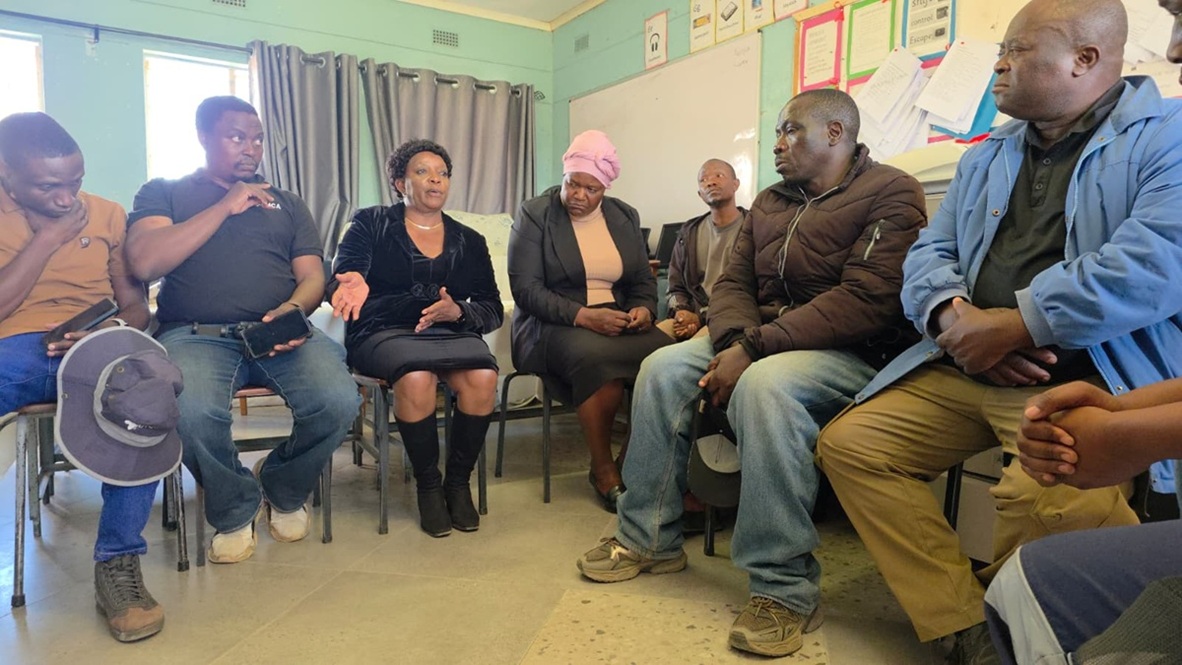
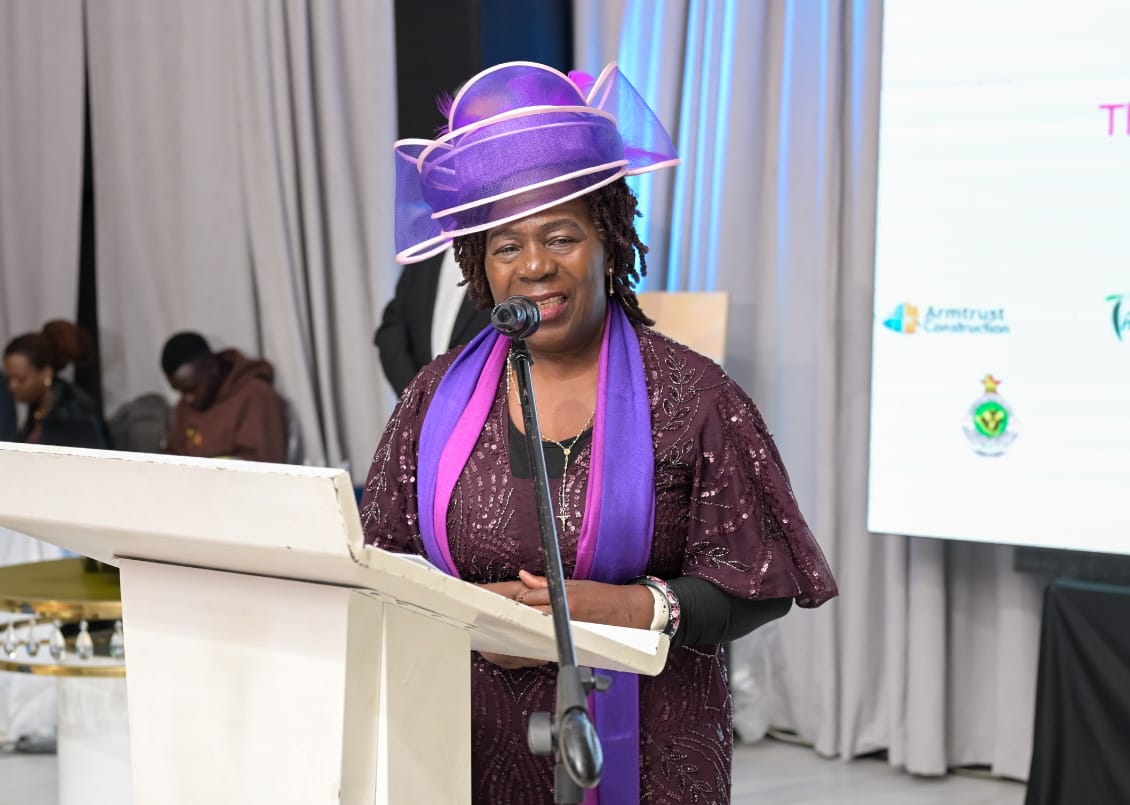
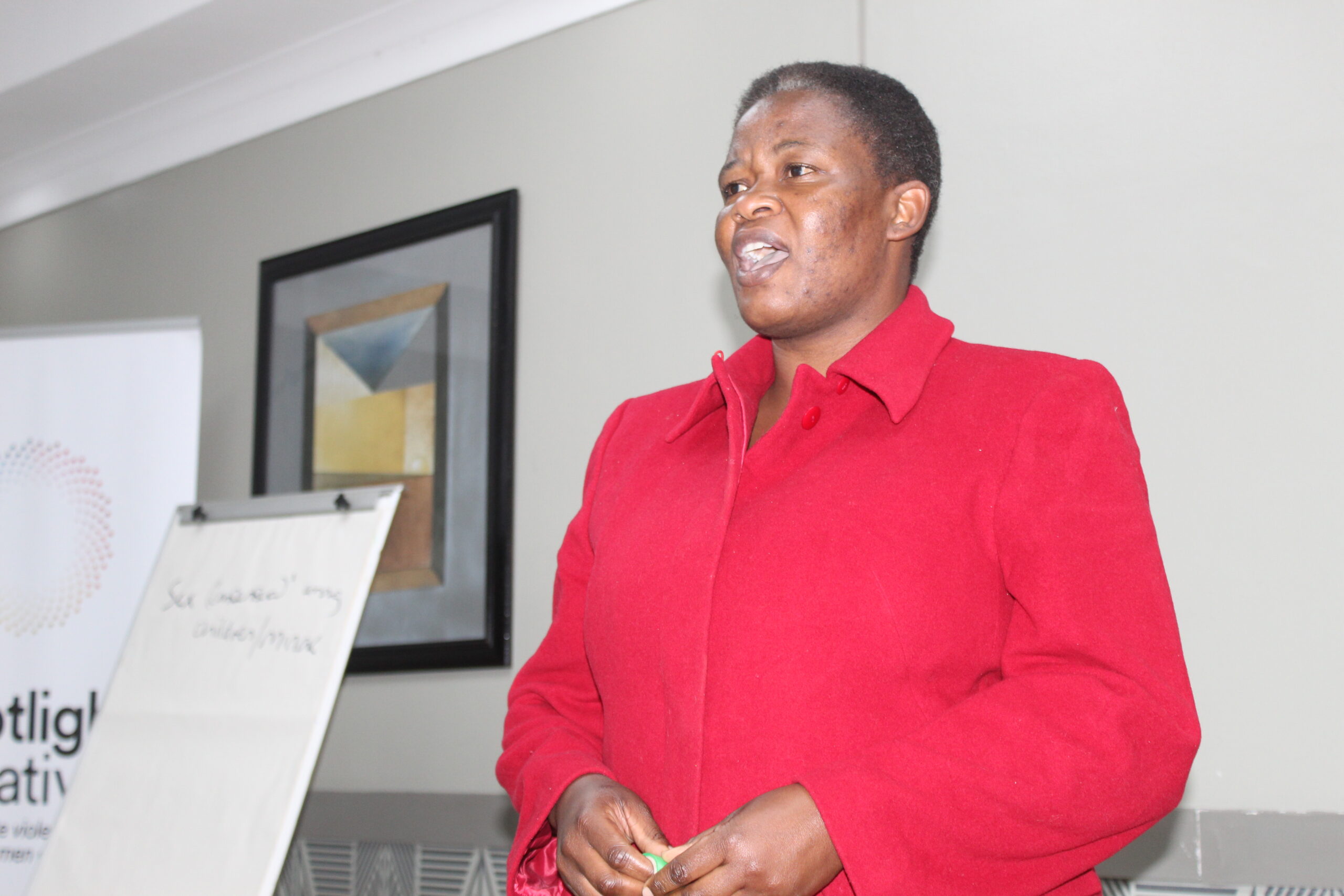
Speaking recently at a journalists sensitization workshop on SGBV reporting that was organized by the Zimbabwe Union of Journalists (ZUJ) through support from the United Nations Population Fund (UNFPA), Musasa Project Legal Legal Officer, Tinashe Chitunhu said the channels through which survivors of SGBV go through in a bid to access services could be long and unwieldly at times.
The road or path a survivor will walk can be very long. What has happened is that we have tried to develop a referral pathway that is short enough so that a survivor can get prompt treatment and response first and foremost. Secondly, we want not to further traumatize our survivors so we need to make a referral pathway which is as short as possible.
“This path can however differ depending on the survivor who we are facing. A physical violence survivor will travel a different path than a survivor of rape and sexual violence because of the nature of their case, because of the response or assistance they will get and also because of the time sensitiveness of the response,” said Chitunhu.
She added that there are at least four critical areas an SGBV survivor needs to pass through these include Security (Police), the other pillar being Health (Hospitals/Clinics), Justice (Courts, Magistrates and Public Prosecutors and the fourth pillar is Psychosocial Support.
In Zimbabwe at the moment, in terms of the physical violence a survivor needs to go from the court to the police because it’s a criminal offense and secondly, they need actually a medical request form from the police in order for them to get treatment. After they have reported, the survivor would go to a medical treatment institution where they get treatment and get an affidavit written before the police prepare a docket and actually gather and investigate information on the matter.
Court proceedings follow after the docket has been prepared and at times there is back and forth b between the police and the public prosecutor to verify information and statements but usually it is the police who give the Public Prosecutor and docket that appears in court.
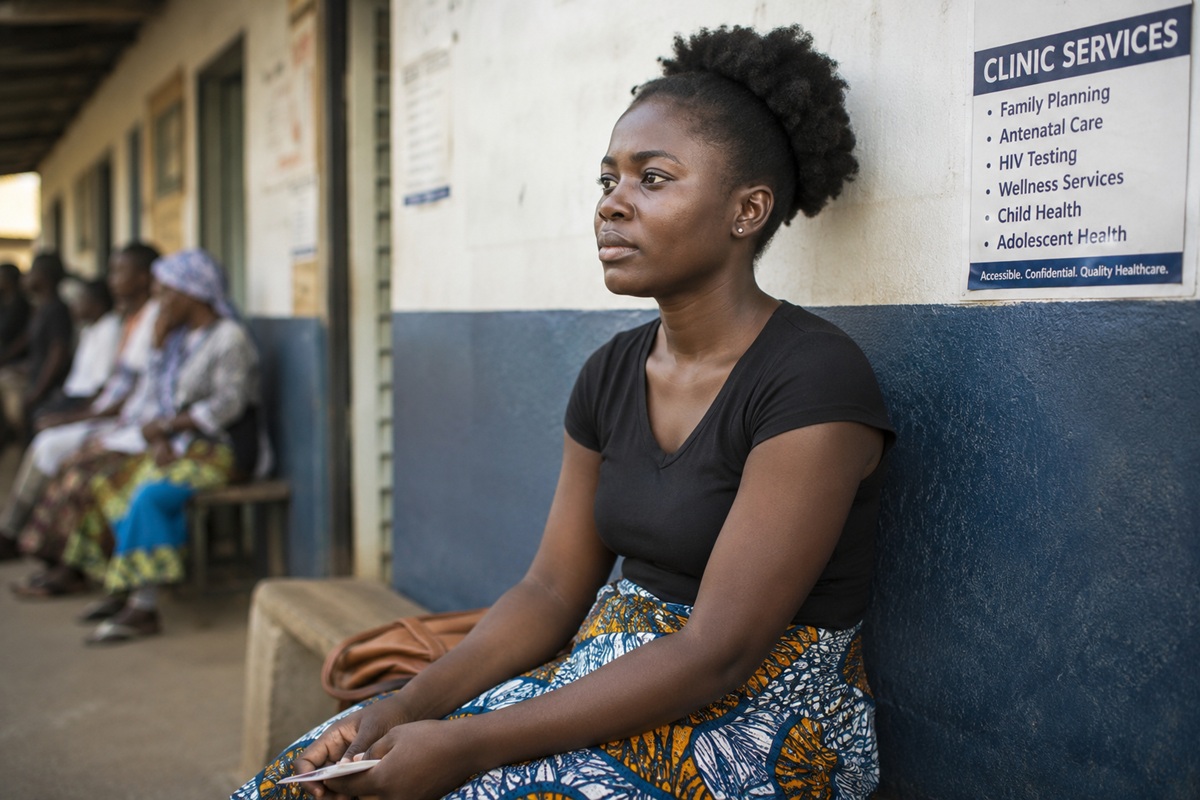
Chtunhu added that for sexual violence however, the first port of call should be a health facility rather than a police station since this is now a health emergency. According to Chitunhu, rape or sexual violence is time sensitive and cannot afford delays in terms of accessing essential health services.
“Now in case of sexual violence cases, what we have noted is that because of the sensitivity and because it’s an emergency, you would also understand that it terms of rape and sexual violence, it is a time sensitive case because the victim or survivor is now exposed to HIV/AIDS and unwanted pregnancy.
“Because of this, the nature of the referral pathway has differed in that when it comes to rape and sexual violence, we say health is an emergency, it is the first priority. Rather than having the survivor first to go and report to the police, we are encouraging survivors to go to your local clinic, hospital or any health facility so that they can get emergency contraception and Post Exposure Prophylaxes (PEP).”
She added that gathering evidence and conducting police investigations can always follow after all the health procedures would have been conducted. Rape and Sexual Violence should be reported to the nearest facility within 72 hours as that is the time frame when treatment is effective.
The United Nations Population Fund (UNPFA), government and other partners, has developed a One Stop Concept and shelters that offer services to survivors of any forms of violence against women under one roof.
To shorten the referral pathways for survivors of SGBV and forms of violence against women in Zimbabwe and seven other African countries, the Spotlight Initiative, is being implemented in various districts across the country. In Zimbabwe the Spotlight Initiative is being implemented by six UN agencies Namely, ILO, UNDP, UNESCO, UNFPA, UNICEF, UN Women Zimbabwe, EU and UN Women (RUNOs).
According to the Spotlight Initiative, eliminating all forms of GBV is essential for Zimbabwe to achieve two of its prioritized Sustainable Development Goals: SDG5 –Achieve gender equality and empower all women and girls and SDG 3 which talks of Ensuring healthy lives and promote well-being for all at all ages.