
THE United Nations Population Fund (UNFPA) has vowed to continue offering community-based mechanisms to mitigate the risk of Gender Based Violence (GBV) in Zimbabwe.
By Michael Gwarisa
In 2019, UNFPA Zimbabwe focused on expanding safe spaces, distribution of dignity kits and capacity development of GBV sector on prevention and mitigation of GBV in emergency situations. The organization also rolled out One Stop Centres which have also continued to provide critical comprehensive support and services to GBV survivors.
According to the UNFPA 2019 Annual Report, they have expanded services to vulnerable and at risk populations in a bid to reach
In order to reach everyone and not leave anyone behind UNFPA has expanded its disability inclusion work and mobile One Stop Centre outreach services in the country UNFPA Zimbabwe CO is the lead organization for GBV and SRH in emergencies response, and provides high level technical assistance to the Government of Zimbabwe during slow and rapid onset humanitarian crises, including climate change triggered disasters (drought, floods and cyclones), disease outbreaks and economic hardship related crises.
“Responding to GBV in humanitarian situations, the vulnerability of women and girls to GBV is heightened in the Zimbabwean multi-hazard humanitarian crisis, where violence and discrimination related to the emergency has also exacerbated pre-existing, persistent, gender and social inequalities, as well as traditional harmful socio-cultural practices. In 2019, over 8,000 cases of Sexual violence were reported to health facilities, with only 27,8% of cases reporting within 72 hours,” said the UNFPA report.
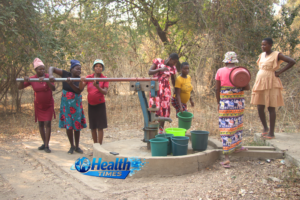
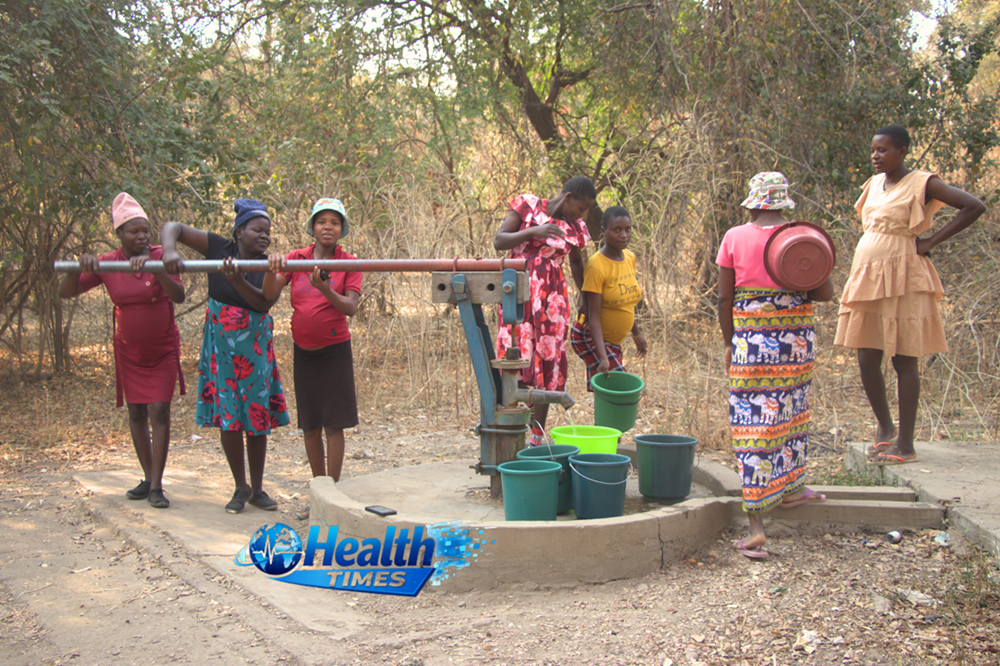
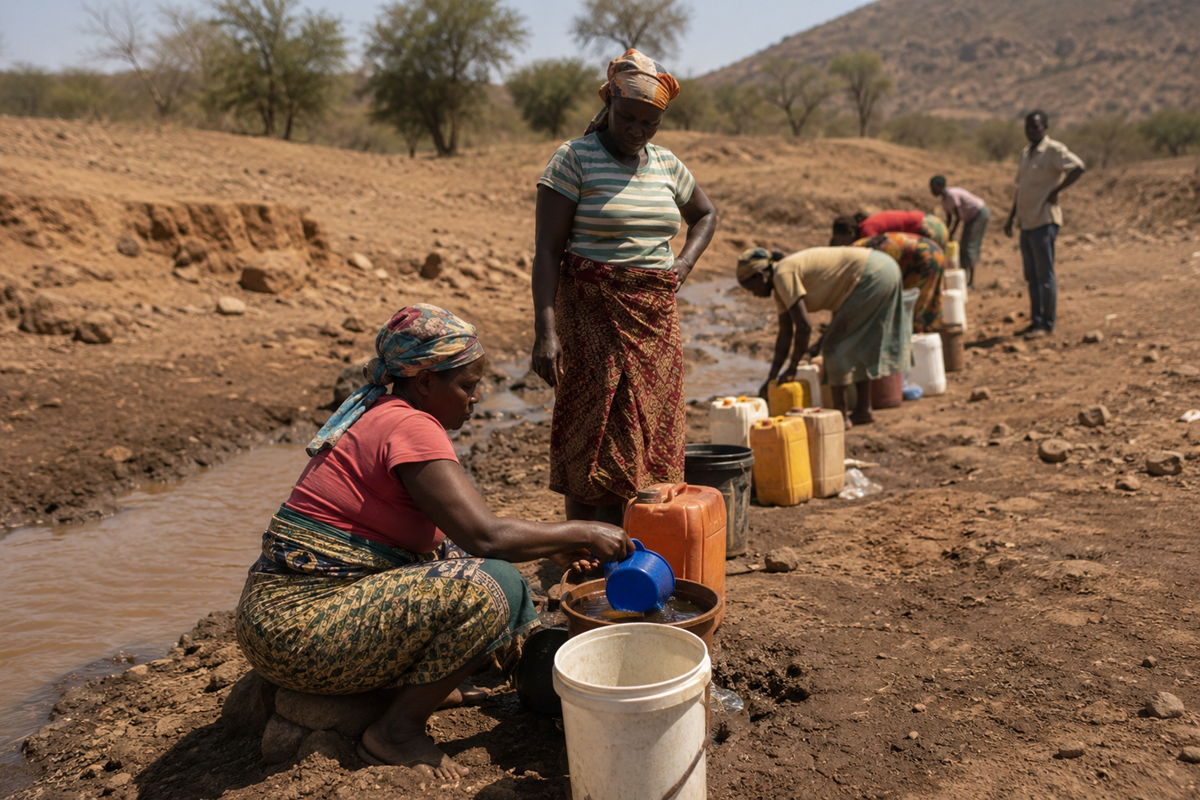
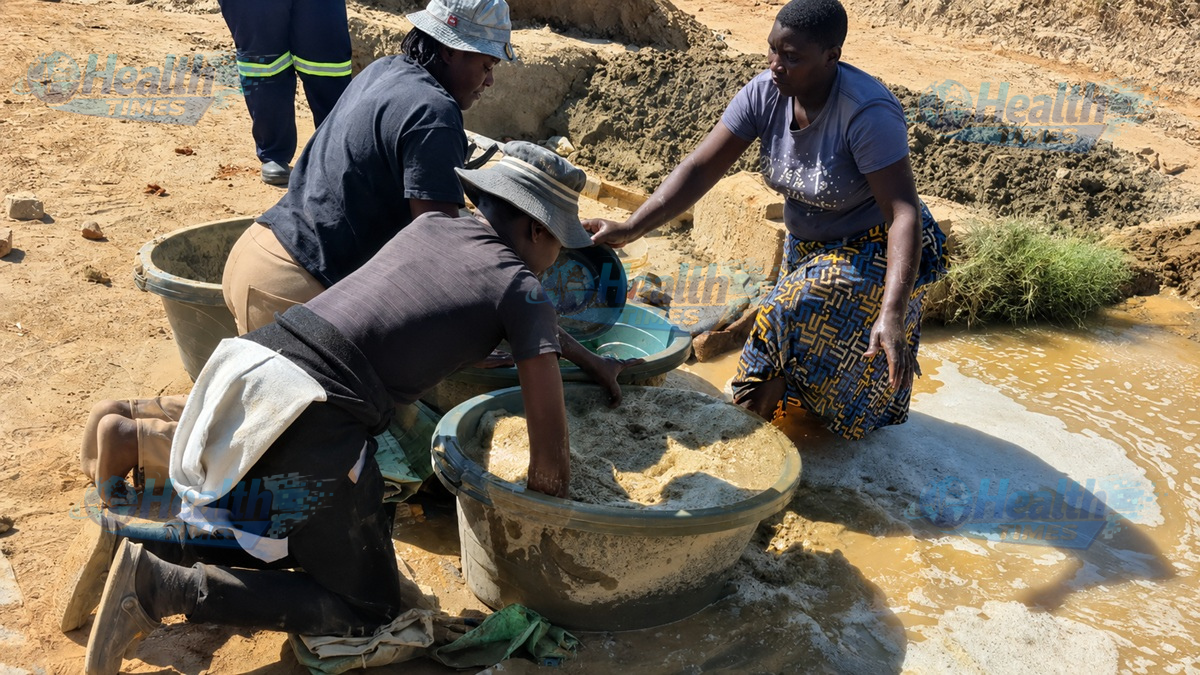
The report added that women and girls are disproportionately affected by the protection consequences of climate change and economic hardship. In drought-affected areas, women and girls are forced to walk long distances to collect water, facing an increased risk of sexual violence.
“Furthermore, the modification of daily routines forces them to spend long hours away from home, generating tensions within the household, and increasing intimate partner violence. Unbalanced power dynamics also exacerbate exposure to sexual exploitation and abuse, as women and girls increasingly resort to trading sex as a means of providing the most basic needs for their families.”
As the first UN agency in Zimbabwe, for mandate and funding, to provide GBV risk mitigation and response in humanitarian crises, UNFPA, through its implementing partners supports GBV risk mitigation initiatives, such as provision of psychosocial support to vulnerable women and girls through safe spaces, distribution of NFIs (dignity kits, menstrual health management)