By Kudakwashe Pembere
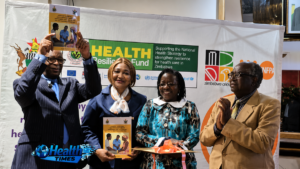
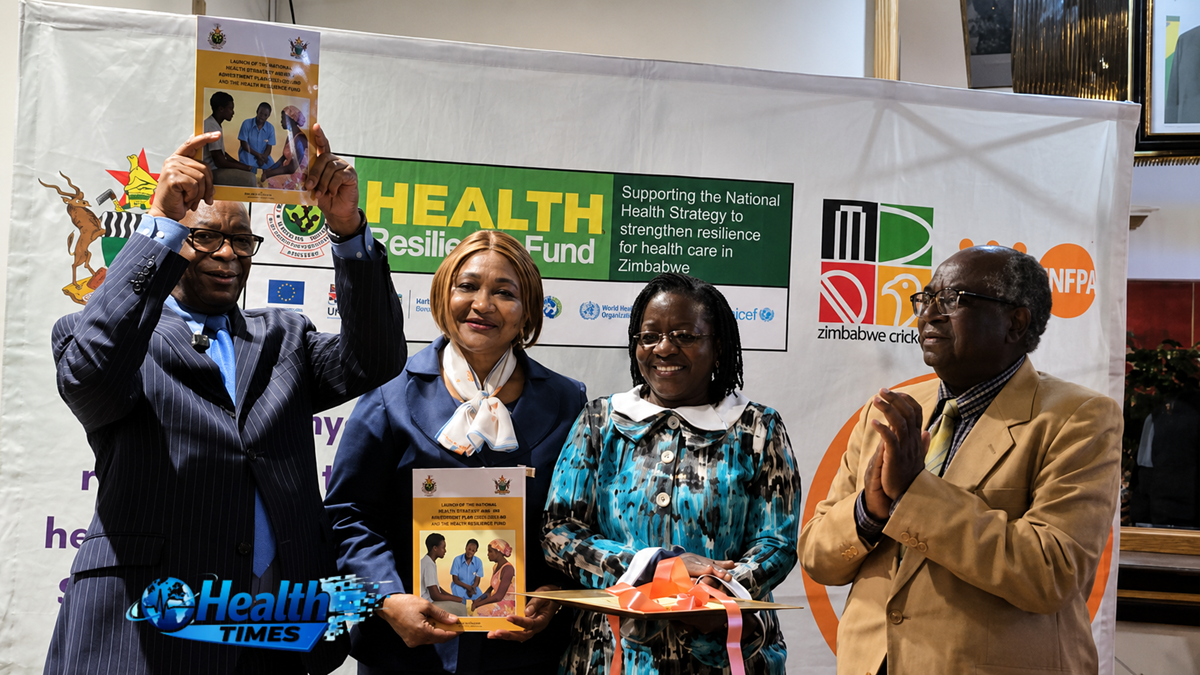
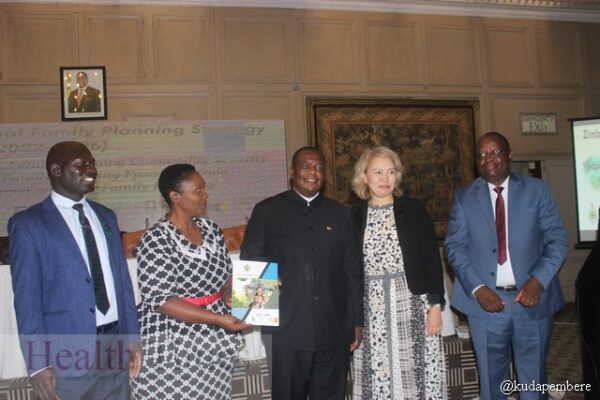
Zimbabwe on Friday asserted its Family Planning 2030 commitments among them to ensure a zero unmet need for family planning methods while launching the country’s National Family Planning Strategy 2022-2026 blueprint.
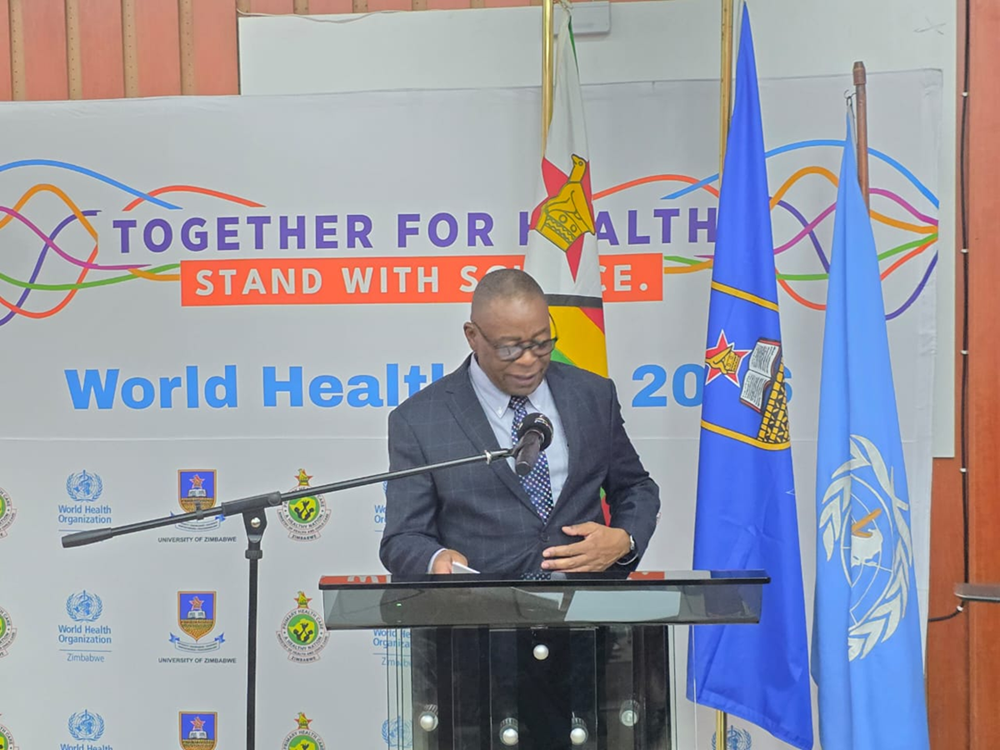
Officiating the launch, Vice President and Minister of Health and Child Care Constantino Chiwenga said strategy is anchored on Government seeing family planning and sexual reproduction as key human rights.
Today, we reiterate our full commitment to the family planning and contraceptive service programme. While sustaining and consolidating the gains we have made, we are therefore committing to do more for the country,” said VP Chiwenga
He added Zimbabwe was selected to host this High Level conference which will be a precursor to the International Conference on Population and Development (ICPD) in June next year.
“However, of note as I presented in Pataya, Thailand, the entire educational process should embrace both boys and girls, men and women. During the same conference Zimbabwe was honoured to host the High-Level International conference leading to the International Conference of Population and Development,” he said.
He also said there was need to expand the contraceptive mix.
“As we are moving towards 2030, there is need for constant vigil and renewed focus to expand the contraceptive method mix, by ensuring access, availability of Long Acitng Reversible contraceptives. At the moment, our program is tilted towards short actin methods. There is need to take our program to all eligible men and women,” VP Chiwenga said.
VP Chiwenga emphasised the need for family planning awareness campaigns to be centred around abstinence.
“The Ministry is encouraging all players to consider expanding options for and access to contraception by young people specifically abstinence as one of the most cost-effective and beneficial health interventions. Ensure that family planning awareness campaigns especially on abstinence should target the nucleus family, schools where teachers as guardians will have to play a major role, the churches and society at large. This is an efficient and cost effective family planning method,” he said.
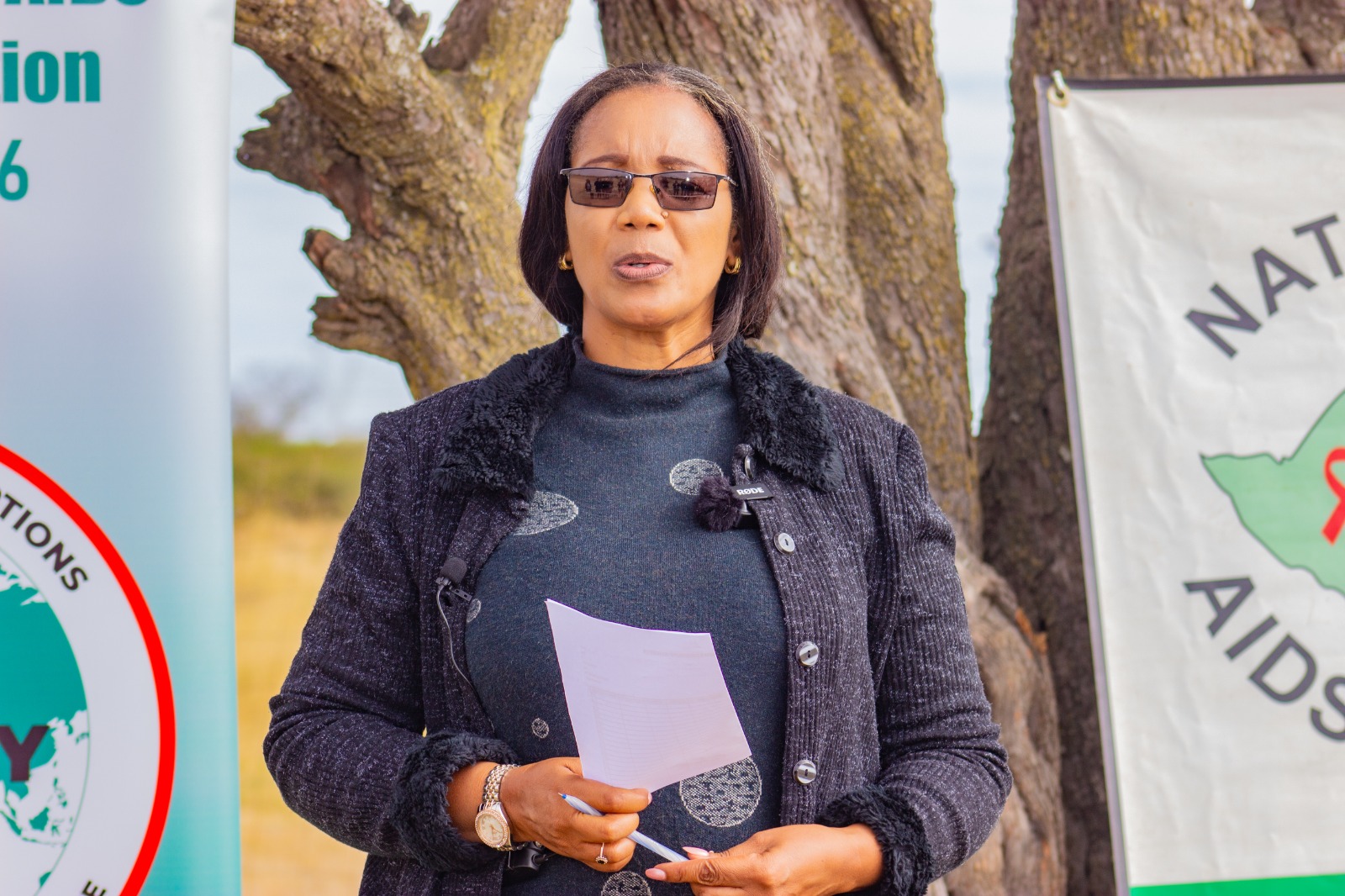
United Nations Population Fund (UNFPA) Country Representative for Zimbabwe Ms Gulnara Kadrykulova commended Zimbabwe for contributing US$1.5 million towards family planning provision.
“Allow me, Honourable Vice President and your team, to congratulate you for becoming the first country under UNFPA Supplies global partnership to qualify for the matching fund, after procuring contraceptives worth US$1,5 million this year using domestic resources.
“This demonstrates government’s commitment to strengthening the health system, specifically using domestic financing to ensure commodity security and universal access to sexual and reproductive health services, including family planning,” she said.
The UNFPA country representative also noted that the modelling undertaken by the Ministry of Health and Child Care and Zimbabwe National Family Planning Council in 2014, confirms the benefits of family planning locally. She said for every additional US$1 invested in family planning, there was an additional US$2 to $4 savings in health costs
Ms Kadrykulova said a study found the use of contraceptives avoiding 12 700 maternal deaths in the last five years.
“According to analysis by the FP2030, in the last 5 years (between 2018 and 2022) the use of contraceptives has averted nearly 3,6 million unintended pregnancies, almost a million (918,000) unsafe abortions and 12,700 maternal deaths in Zimbabwe
“These positive impacts can only be sustained and accelerated by ensuring contraceptive availability, affordability and use; and government commitment and facilitation is key,” she said.
Zimbabwe National Family Planning Council (ZNFPC) Acting Board chairperson Dr Stanzia Moyo the national strategy entails that contraceptives are not to stop child bearing.