
By Kuda Pembere
Zimbabwe could soon make history in Africa’s medicines regulation landscape, as an 11 member World Health Organization (WHO) team is in country assessing the Medicines Control Authority of Zimbabwe (MCAZ)’s readiness to achieve Maturity Level 4, the highest rating in the Global Benchmarking Tool.
The assessment, which began on Monday, will also review MCAZ’s current Maturity Level 3 (ML3) status, which the authority achieved in 2024.
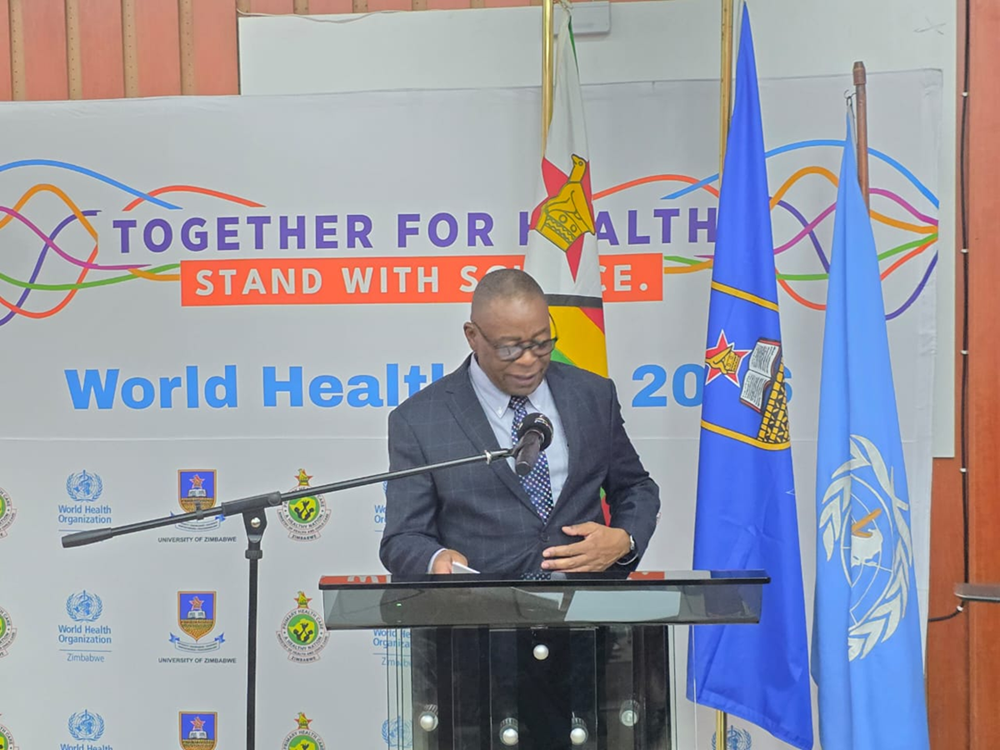
Dr Alan Fauconnier, interim Team Lead for Regulatory Systems Strengthening at WHO headquarters in Geneva, said the visit is part of ongoing efforts to support national regulatory authorities in strengthening their systems.
“I’m coming from WHO headquarters in Geneva, and WHO operates at several levels, including headquarters, the regional office in Brazzaville, and country offices. Together, we provide support to national regulatory authorities, in this case the Medicines Control Authority of Zimbabwe, to help them reach higher maturity levels,” he said.
“A first achievement was made in 2024 when MCAZ reached Maturity Level 3. The objective of the team I am leading is to provide support and conduct an assessment of Zimbabwe’s regulatory systems. We are a team of 11 experts, each with specific responsibilities, and our goal is to see whether MCAZ can reach Maturity Level 4, which is among the highest levels in regulatory system assessment.”
If Zimbabwe attains Maturity Level 4, it will become the first country in Africa to reach this global benchmark.
Dr Fauconnier said ML3 already signifies a functional regulatory authority capable of effectively monitoring and overseeing medicines.
“Maturity Level 3 means the authority is functional and can adequately monitor medicines. Not many countries in Africa have reached this level, there are about eight,” he said.
“Zimbabwe is now attempting to move to Maturity Level 4, which would be a major achievement. We are keen to see if this will be successful, not only for public health but also for international recognition, as it increases reliance from other regulatory authorities and benefits the country as a whole.”
MCAZ Head of Licensing and Enforcement, Mrs Caroline Samatanga, said the ongoing assessment builds on a series of evaluations that began in 2021.
“This is a very important milestone for Zimbabwe as we are being assessed on strengthening our regulatory systems for medicines. We have undergone similar assessments since 2021, leading to our achievement of Maturity Level 3, which reflects a stable and well-functioning regulatory authority,” she said.
“We are now moving a step further towards Maturity Level 4, which is the highest and most advanced stage of regulation.”
She said attaining ML4 would confirm that Zimbabwe’s regulatory systems meet global standards of transparency, accountability, and efficiency.
“When we reach Maturity Level 4, it means we are transparent, accountable, and have robust systems to regulate medicines and ensure the public has access to safe, effective, and quality products,” she said.
Mrs Samatanga expressed confidence in MCAZ’s preparedness, noting that the WHO team will assess several indicators, including the use of modern technology and digital systems.
“The WHO team will review a number of indicators, including transparency, accountability, and our progress in digitisation. All these aspects will be assessed this week,” she said.
“We are confident in our systems and hopeful that we will achieve the highest level. If we do not, we will receive an institutional development plan to guide further improvements, which we will take positively as part of strengthening our regulatory system.”