By Kuda Pembere
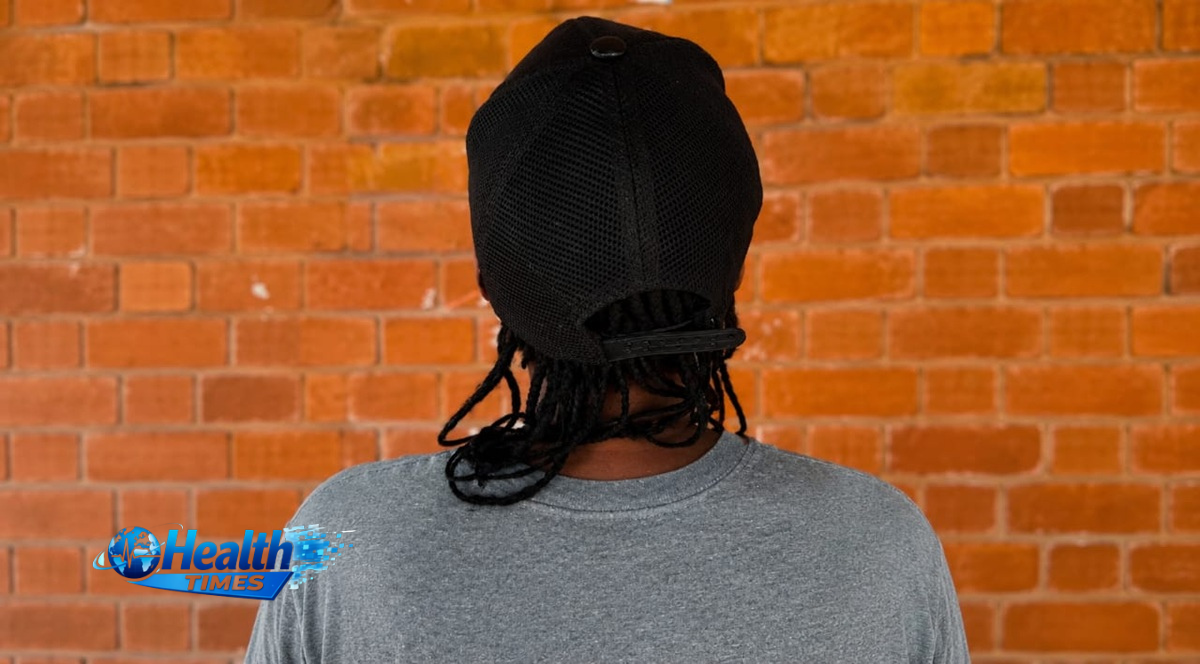
DRUG and substance abuse in Zimbabwe is usually synonymous with the ghetto streets. A dirty, shabby, red eyed male figure is probably the first picture one envisions when they think of drug users and abusers.
Well, here is a Newsflash, the drug crisis is equally endemic and deep rooted in uptown residential areas such as Borrowadale Brooke, Chisipite, Umwinsdale and others just as is the case with Ghettos like Mabvuku, Mbare, Fio, Kuwadzana, Mufakose and others. It also knows no gender as more and more girls are being initiated in the act.
For Julian (24), a Zimbabwean girl from Borrowdale, a lavish suburb North of Harare, her romance with illicit substance and drugs started when she relocated to Canada to study.
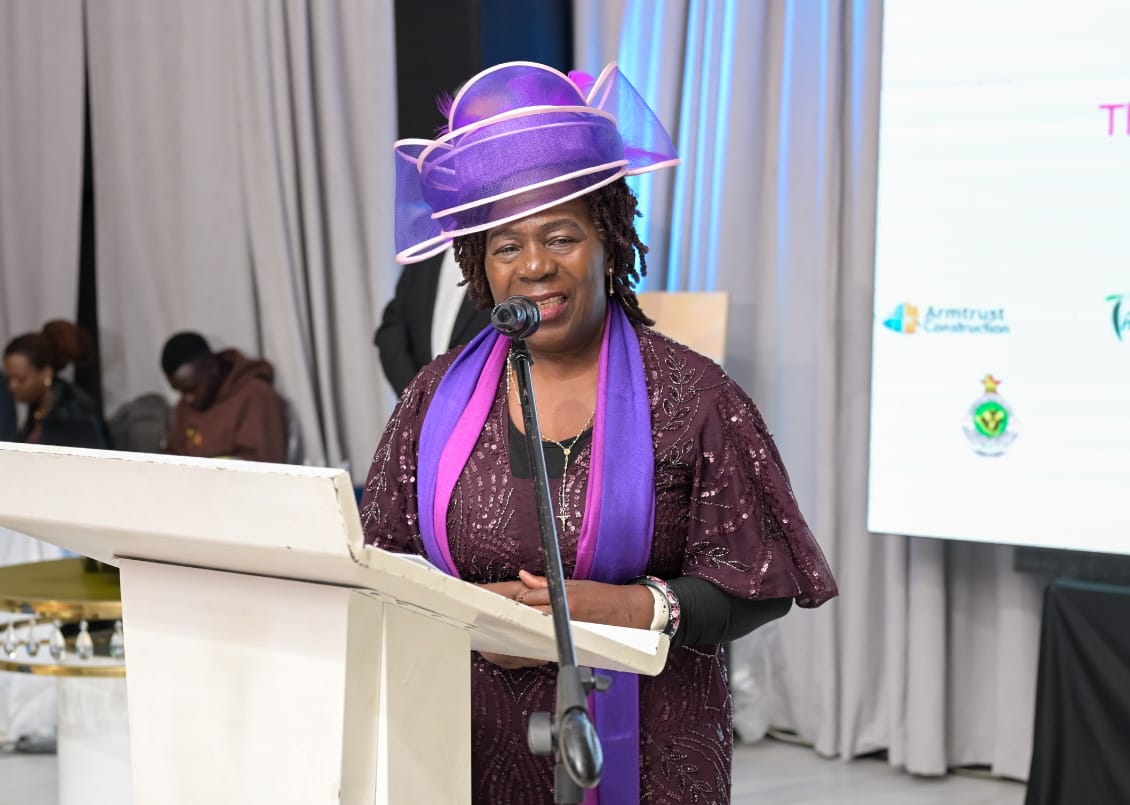
Basically my story started when I was in Canada. I went to school in Canada. I was studying business of which I did for about a year and a half. And I was working at the same time,” said Julian on the sidelines of a parents against drug and substance abuse workshop organised by Pamumvuri and Seed Foundation.
She juggled between her job as a bartender and college. A lot happened including dating an abusive boyfriend.
“I stopped working because there was an option to continue or to get paid by the government and I chose government. I was working from 3pm till 11pm.
“So I prioritized my work over school. I went on probation twice and then I passed and then got kicked out of school. When I got kicked out, that is when COVID-19 hit and then I left my job because the government was paying us in Canadian dollars CAD2000 (US$1480) a month. So I decided to live on those resources.”
Upon dissolving that toxic relationship with boyfriends, she had some Japanese friends who offered her accommodation and drugs.
“It was a trap house where you go and drink, you smoke, you take drugs, and you do everything in that place. So, these guys offered me a place to stay saying I did not have to pay rent but just buy some foodstuffs. It was OK with me. I went to stay there and that is when I started drugs. So the drugs I have taken include Cocaine, DMT, mushrooms, and weed,” Jillian says.
These drugs saw her losing weight, a place to stay and an income. Jillian couldn’t even maintain her friendships with those who offered her accommodation.
Finding Zimbabwe’s beer brands very cheap, she came up with her own ‘beer regimen.’
“I came back I started drinking again because alcohol here in Zimbabwe is so cheap. When I came back, I started drinking. I used to drink black label. And that was my drink. I would drink a Black Label quart. I would take three in the morning. Then I would go for a six pack. And back to the three quarts. That was my choice of drink,” she says.
While under the influence, Jillian could feel something was not fine with her. This was the beginning of her epiphany.
“It got to a point where I felt it was so heavy for me. I felt there was a demon hovering upon me because I was so angry and so isolated from my family. I lost connection with people because I never used to communicate.
“Things were just not OK in my life. And I was feeling all alone. So, I decided to reach out to my mom telling her things are not going OK,” she says.
Jillian went for detoxification at Michael Gelfand where despite the strict rules devised means to bring an illicit brew (Tumbwa.) A male friend would be instructed to inject the Kambwa into a fruit juice.
“He used to bring me cigarettes, Mbanje. When smoking the mbanje, in the bathroom, I would put a towel underneath the door, turn on the shower and go to the window for the smoke. The smell would go out. I went to rehab the Borrowdale Halfway House (BHH).
“I went there for six weeks and I relapsed. When I relapsed, that time I was taking Tumbwa I would take maybe three a day and some cigarettes. I came out for like two weeks and I went back into rehab,” she said.
It has been two and half months of sobriety for Jillian where she is working on investing in herself mentally, spiritually and financially. She reads Bible verses daily, and from the 40 KGs she weighed, she is so proud to have gained more weight.
“Working at Seed Foundation has helped me financially. When I got paid, I didn’t even know what to with it. Usually I would budget US$60 for mbanje, US$40 for cigarettes, US$60 for alcohol, but now I am trying to invest in myself.
“And use that money for better use like to eat because I had lost 40KGs. Physically, I have gained weight. I was 40KGs and I am now 63. Spiritually, have started going to church, I have started reading bible verses every single day.
“I am now trying to learn to fast. I have never fasted but I am trying to learn to fast so I can manifest the things that I want,” she says noting that in her journey she is learning to forgive herself to radiate that forgiveness to others as well.
Jillian says it is possible for young people to call it quits to drugs.
“My advice to someone who wants to stop taking drugs and substances is you need to start being honest with yourself. You need to sit down by yourself. Think and acknowledge you have a problem. Once you admit that you have a problem, is when can be honest with others,” she says noting family members are the best persons to confide in.
She also says one has to change friends as not all of them have good intentions. Detoxing and rehab at hospitals, public and private are also some of her recommendations. If one cannot afford detox, she advises a lockdown in one’s room for six weeks where food and water are constantly given to the person battling drug and substance abuse. She says this worked for her.
A psychologist, Dr Kudakwashe Muchena, says drug and substance use knows no locality
noting that those in plush suburbs are in hardcore expensive drugs.
“Drug and substance abuse is not secluded in the low density suburbs, the Borrowdales, Mandaras and etc. they are equally affected the same way as the Mufakose, Mbare, Kuwadzana, Mbare and so forth. The only difference is the low density suburbs specialize in more addictive drugs such as cocaine, mandrax. So because of their wealth, most of them end up in rehabilitation centres because their parents can afford them,” he said.
“But the extent of prevalence is a bit more in the low density communities but because of their numbers you might realise that they could be few but in terms of impact they are there. And I think the major difference is on the type of substance they use. In the ghettos, we go for the cheaper ones, the mutoriros. In the low density, they go for the hard core expensive drugs, the cocaine, mandrax, valium etc. But still the extent of the problem is the same and the impact is the same across. It is not selective in terms of locations.”
He said the symptoms are similar whether one has used mutoriro or cocaine.
“These include hallucinations, hyperactivity. They can have kind of bipolar activity where there is hypermania or total silence or withdrawal at some point. Another behavioral aspect is that they start selling items like I said, the valuable property in order to feed their addiction,” said Dr Muchena.
Mr Knowledge Mpembe from the Zimbabwe Civil Liberties and Drug Network (ZCDLN) is of the notion that the upmarket suburbs in Harare, drug use is there but not at an alarming rate as the case in the ghettos.