Health Correspondent
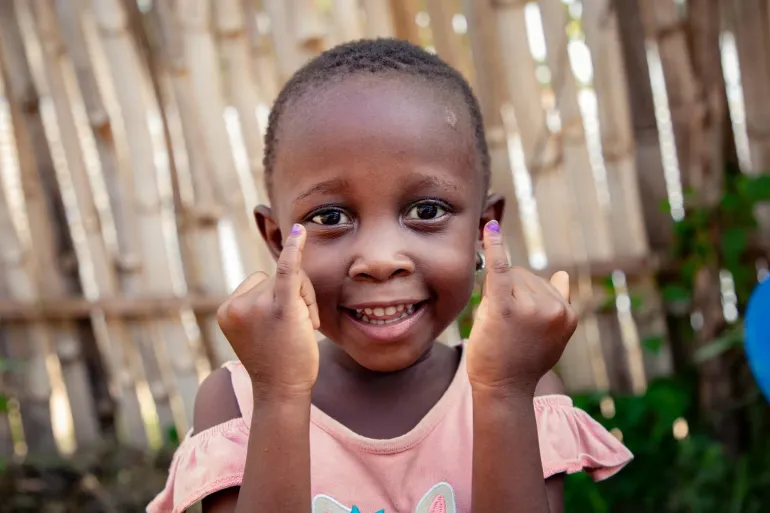
A global vaccination recovery drive launched in the wake of the COVID-19 pandemic has delivered more than 100 million vaccine doses to an estimated 18.3 million children across 36 countries, helping close dangerous immunity gaps caused by years of disrupted immunisation services.
The initiative, known as The Big Catch-Up (BCU), was launched during World Immunization Week in 2023 by Gavi, the Vaccine Alliance, the World Health Organization (WHO), and UNICEF. It targeted children aged between one and five years who had missed essential childhood vaccines, particularly in low-income, fragile, and conflict-affected settings.
The programme officially concluded on March 31, 2026, and partners say it is on course to meet its overall target of reaching at least 21 million unvaccinated and under-vaccinated children.
According to figures released on Thursday, around 12.3 million of the children reached were classified as “zero-dose children”, meaning they had never received a single vaccine before. Another 15 million had not received a measles vaccine, leaving them highly vulnerable to outbreaks of one of the world’s most contagious diseases.
The campaign also delivered 23 million doses of inactivated polio vaccine (IPV), helping strengthen efforts toward global polio eradication.
Health agencies say the programme represents the largest coordinated international effort ever undertaken to restore childhood vaccination coverage lost during the pandemic.
However, they warned that while catch-up campaigns are important, they cannot replace strong routine immunisation systems that ensure children are vaccinated on time.
The 36 countries involved in the programme, most of them in Africa and Asia, currently account for about 60 percent of all zero-dose children globally. Many of these children live in hard-to-reach communities affected by poverty, conflict, weak health systems, and displacement.
Before the pandemic, these countries were already struggling to reach all children with basic vaccines. COVID-19 worsened the situation by disrupting health services, closing clinics, and limiting access to immunisation programmes.
Rather than focusing only on infants, The Big Catch-Up expanded efforts to include older children between the ages of one and five who should have received vaccines before their first birthday but were missed.
This marked a major shift in immunisation strategy, as countries used routine systems to identify, trace, vaccinate, and monitor older children who had fallen through the cracks.
The programme also supported policy updates around vaccine eligibility, health worker training, and stronger engagement with communities and civil society organisations to improve vaccine uptake.
Officials say this investment is expected to create long-term improvements in immunisation systems beyond the life of the campaign.
Among the countries that reported major success were Burkina Faso, Ethiopia, Kenya, Madagascar, Mauritania, Niger, Pakistan, Somalia, Togo, Tanzania, Zambia, and the Democratic People’s Republic of Korea. These nations reached more than 60 percent of zero-dose children under the age of five who had previously missed their first dose of the diphtheria, tetanus, and pertussis vaccine, commonly known as DTP1.
Ethiopia stood out as one of the strongest performers, reaching more than 2.5 million previously zero-dose children with DTP1. The country also administered nearly five million doses of IPV and more than four million measles vaccine doses.
Nigeria also made significant gains, reaching two million previously zero-dose children with DTP1 and delivering 3.4 million doses of IPV, alongside millions of other vaccines.
While Gavi funding and technical support from WHO and UNICEF supported the 36 participating countries, many other nations also carried out their own catch-up vaccination efforts during the same period.
Dr Sania Nishtar, CEO of Gavi, described the programme as proof that large-scale vaccine recovery is possible when countries and partners work together.
“As the largest ever international effort to reach missed children with life-saving vaccines, the Big Catch-Up shows what is possible when governments, partners and communities work together to protect the most vulnerable in society,” said Dr Sania Nishtar, CEO of Gavi, the Vaccine Alliance.
“Thanks to this accomplishment, not only are millions of children now protected from preventable diseases but so are their communities, for generations to come.”
WHO Director-General Dr Tedros Adhanom Ghebreyesus said the initiative helped reverse one of the most serious public health setbacks caused by the pandemic.
“By protecting children who missed out on vaccinations because of disruptions to health services caused by COVID-19, the Big Catch-up has helped to undo one of the pandemic’s major negative consequences,” said Dr Tedros Adhanom Ghebreyesus, Director-General of the World Health Organization.
“The success of the Big Catch-up is a testament to health workers and national immunization programmes, which are now better equipped to find and vaccinate children missed by routine services.”
UNICEF Executive Director Catherine Russell said the progress made must not create complacency, especially as measles outbreaks continue to rise globally.
“Vaccinations save lives,” said UNICEF Executive Director Catherine Russell.
“This initiative shows what’s possible when countries have the resources, tools, and political will to reach children with lifesaving vaccines. We’ve caught up with some of the children who missed routine vaccinations during the pandemic – but many more remain out of reach. The gains made through the Big Catch-Up must be sustained through investment in strong, reliable immunization systems, especially at a time where measles is resurging.”
Despite the success of the campaign, global health agencies say the challenge remains far from over.
In 2024 alone, an estimated 14.3 million infants under the age of one did not receive a single vaccine through routine immunisation services. This means new cohorts of zero-dose children continue to emerge every year, even as older children are being reached.
Health experts say reducing this number will require stronger national immunisation systems that consistently reach the poorest and hardest-to-reach communities, especially as countries face rising birth rates, conflict, displacement, shrinking donor funding, and overstretched health systems.
The consequences are already visible.
Measles outbreaks are increasing across every region of the world, with around 11 million cases recorded in 2024. The number of countries facing major outbreaks has nearly tripled since 2021.
Experts say this rise is being driven by persistent vaccination gaps, combined in some areas with declining confidence in vaccines.
They stress that large catch-up campaigns should only be temporary emergency responses and not substitutes for routine vaccination.
Timely immunisation according to national schedules remains the safest, most effective, and most sustainable way to protect children from preventable diseases and stop deadly outbreaks before they begin.