While the world is slowly recovering from the effects of the COVID-19 pandemic, Zimbabwe seems to be entering a dark phase, where a drug and substance abuse epidemic has hit the country, largely affecting the youthful and productive population.
By Michael Gwarisa
This has been pushed mainly by the availability of new psychoactive substances on the Zimbabwean market, with anecdotal evidence pointing to broncleer, ecstasy, cocaine, injectable pethidine, ketamine, marijuana, and crystal meth use. Also, the non-performance of the Zimbabwean economy, which led to idleness amongst the youthful populations, COVID-19 lockdowns, and the rise of the internet and other social media platforms where drug use information could be shared, have been blamed for the increase in drug and substance abuse.
At the moment, quality drug rehabilitation services are being offered by private entities. However, recent findings by this publication show that access to rehabilitation services costs an arm and a leg, with consultation fees ranging between US$90.00 and US$100 and daily hospital admissions going for US$80 or even more. An appointment with a psychologist ranges between US$40.00 and US$60.00, depending on where you are getting the service.
On the other hand, public health Psychiatric facilities are offering short stay admission, where services for addicts are mainly limited to stabilization, say, someone who comes through for 21 days for substance abuse and shows violent psychotic symptoms. Due to overwhelming numbers, public facilities are struggling to cope due to poor human resources and capacity to admit patients at facility level, resulting in some who come through seeking treatment being turned away. Data from the 2022–2025 National Drug Masterplan shows that 60 percent of mental health admissions were due to substance use.
With these disparities, where the gap between the Haves and have-nots continues to widen as far as accessing drug abuse rehabilitation services, experts fear Zimbabwe could soon turn into a zombie paradise. While in horror stories and some religions, a zombie is described as a dead person who has been brought back to life, the Collins Dictionary says one can describe someone as a zombie if their face or behavior shows no feeling, understanding, or interest in what is going on around them.
Speaking in an interview with HealthTimes, renowned Psychologist and academic Dr. Kudakwashe Mchena said the government needs to act fast before the situation gets out of hand.
The government needs to first accept that there is a problem, and we need a solution to that problem as fast as possible. Just closing our eyes and burying our heads in the sand will not solve anything. We will create a generation of junkies on the other side of Samora and a generation of healthy, well-nourished people on the other side, which in itself is not a good thing for the future. My plea is for government to accept that there is a challenge with drug and substance abuse and work towards a more integrative approach,” said Dr. Mchena.
He added that it is the government’s responsibility to set up drug rehabilitation centers on the other side of Samora, where the poor form the majority of the population.
“That’s the only way it can be affordable and accessible to all of us. If that doesn’t happen like in this current situation where government is delegating its responsibility of the private sector, the private sector will always chase money, that’s why you find that these other rehabilitation centres are found on the other side of Samora Machel where people can afford.
“It’s not like the people on the other side of Samora do not need rehabilitation services, it’s just that it is beyond their reach. We are creating a divided country where certain service are available to certain people and certain services are not available to certain people because of their financial status and it’s quite sad. It’s is time government moves in and understands that there is a problem. Drug and substance abuse is a real problem in this country And if the government doesn’t take full responsibility and accept that there is a challenge, with drugs and substances in Zimbabwe, then they will not be in a position to find remedies for that.”
Drug and substance abuse rehabilitation involves medical and psychological treatment that
is used on patients to stop them from using substances or to reduce the substances or to
reduce their substance use in order to get them back into being functional people again
to see them more productive in the society.
Physical dependence is treatment more by detoxification whereby they will be getting rid of the toxins from the body and this also where withdrawal symptoms and cravings are managed. Psychological dependence involves a lot of psychotherapy to eventually bring about behavioural change.
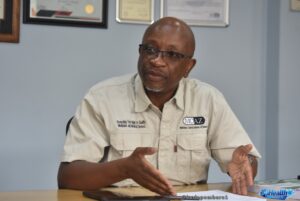
Meanwhile, Highlands Wellness Clinical Psychologist and General Manager, Tinashe Katikiti said there is need for regulation of private psychiatric health facilities.
“At our best bet right now, private psychiatric facilities are probably the best solution to we have in terms of treatment at the moment, but the challenge is with funding. It’s unfortunate that psychiatric treatment is still very expensive in Zimbabwe and we have things like drug rehabilitation and suicide not being covered by Medical Aids because they say they are self-inflicted.
“Talking about standardised care. There is a lot of noise around the issue of substances. Everyone now thinks there is a lot of money in rehabs and all that stuff but regulation is important. Those are things that need to be done. There is need for professional controls,” said Katikiti.
Zimbabwe has since launched its National Drug Master Plan which consists of 5 Pillars. These include the treatment and rehabilitation pillar, supply reduction pillar, demand reduction pillar, harm reduction pillar and the community reintegration pillar.