By Michael Gwarisa
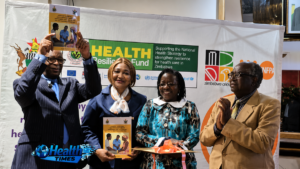
To address persistent challenges related to access to documentation and healthcare for women and girls, the Institute for Young Women’s Development (IYWD), in collaboration with the Alliance for Community-Based Organizations (ACBOS), hosted a one-day Multi-Stakeholder Engagement meeting in Harare.
The meeting convened key stakeholders and community representatives from regions where access to documentation remains a significant hurdle.
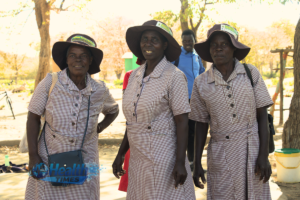
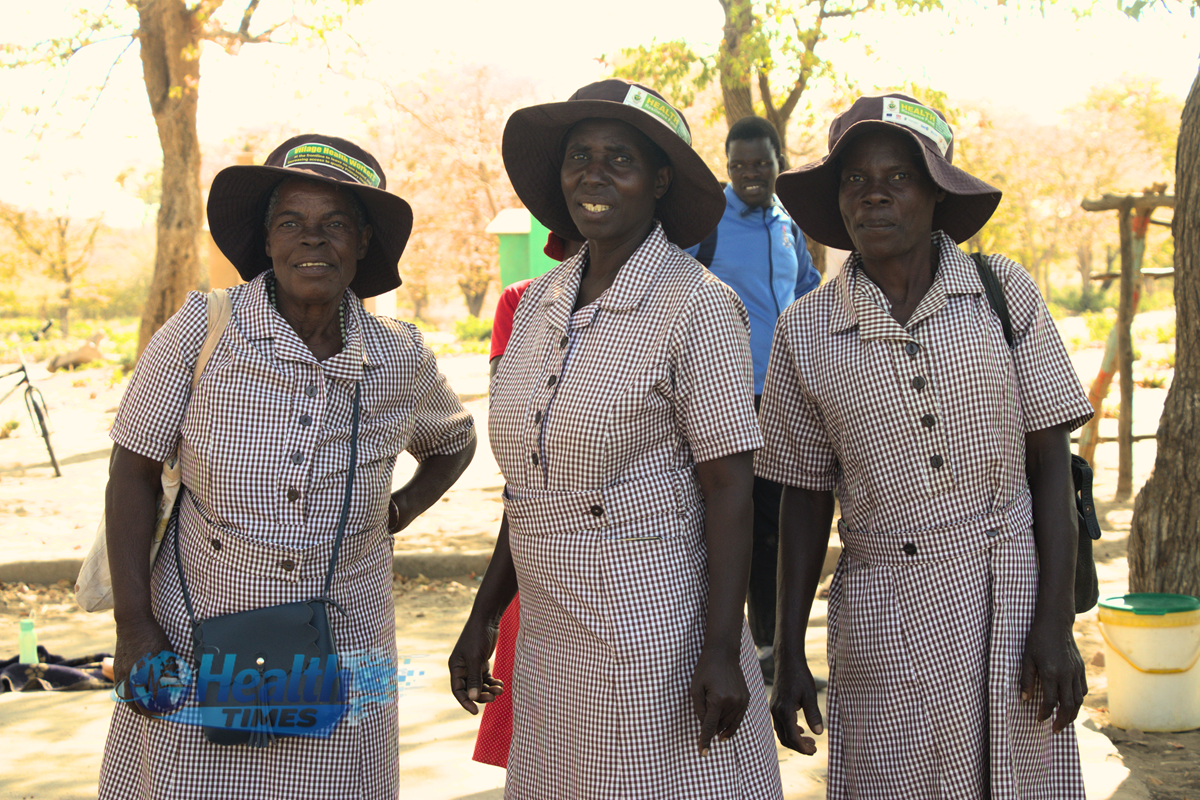
Women in rural and mining communities, particularly in Mashonaland Central and Mashonaland West provinces, face compounded challenges stemming from inadequate access to proper identification documents. These include birth certificates, national identity cards, and passports, which are prerequisites for accessing essential health services.
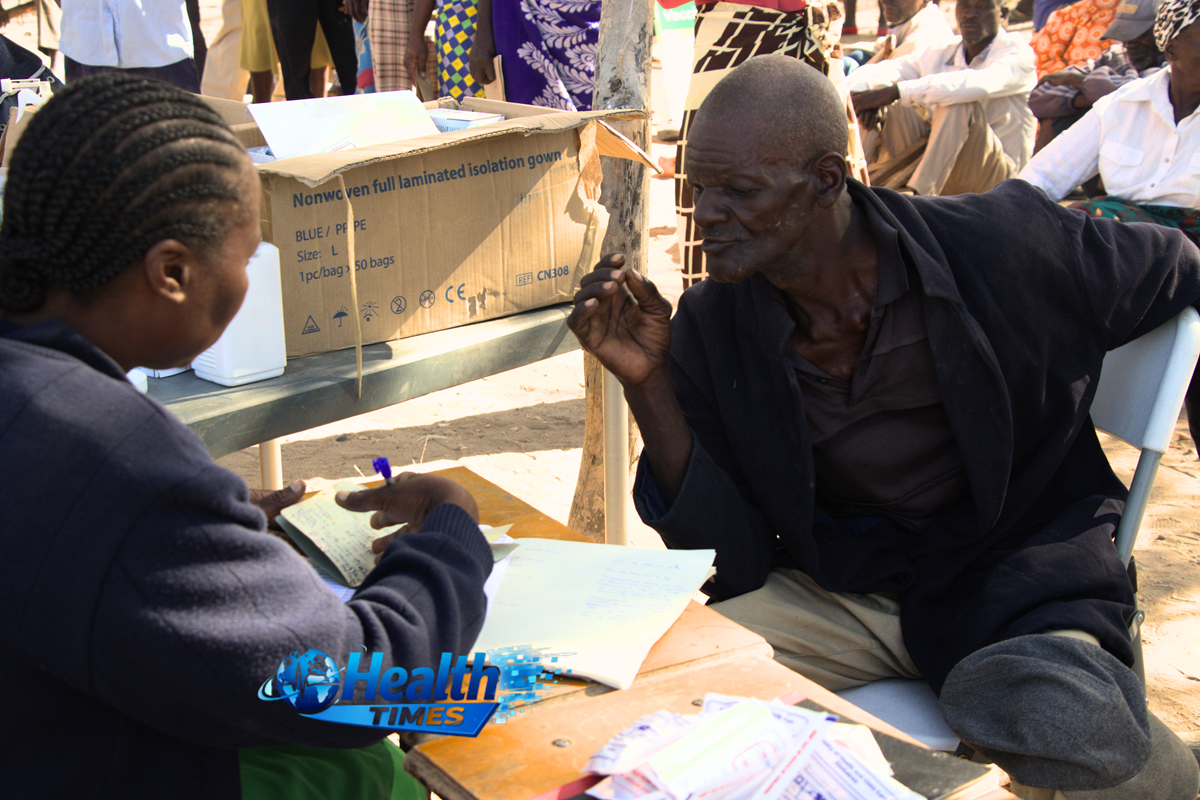
Proper documentation is critical as it unlocks access to maternal health, sexual and reproductive health services, and other essential care. Without it, women are often left resorting to unsafe alternatives, such as giving birth at home or seeking care in unregulated facilities.
The conference drew participants from the Ministry of Women Affairs, Community Small and Medium Enterprise Development, Ministry of Health and Child Care, Ministry of Home Affairs and Cultural Heritage, the Civil Registry Department, Local Government, Parliament, and other organizations. Women and girls from the affected provinces also shared their lived experiences.
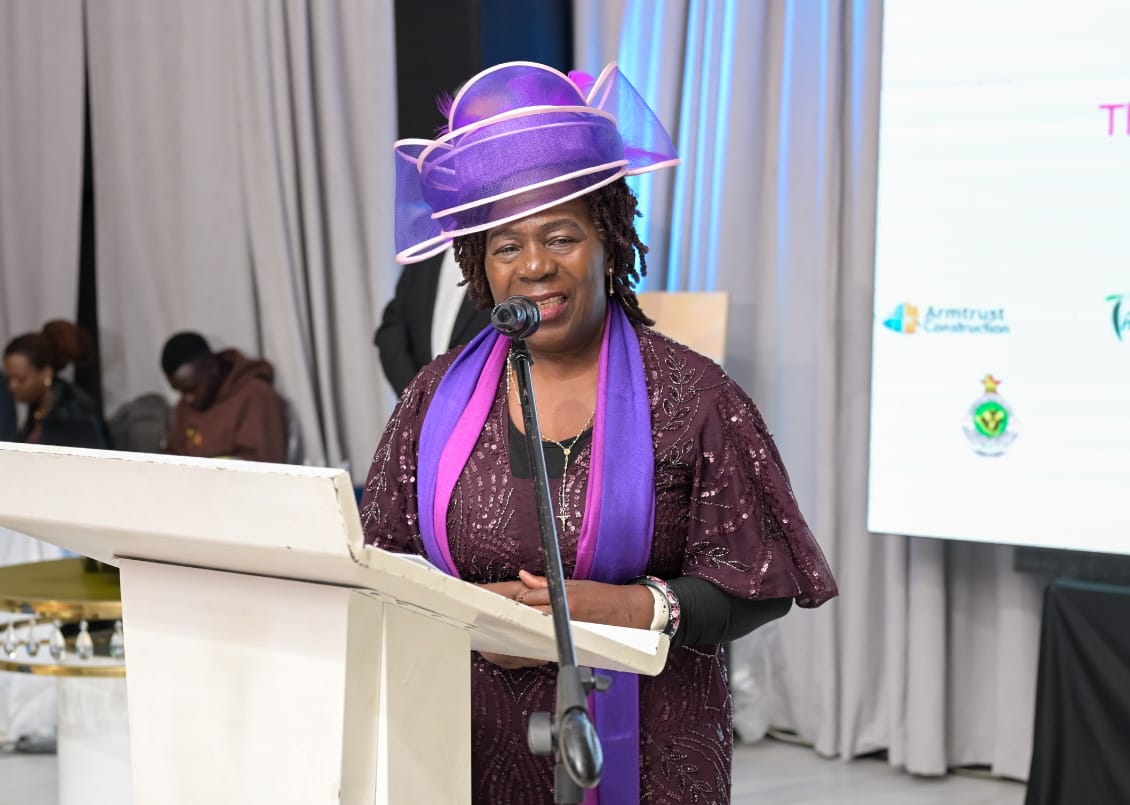
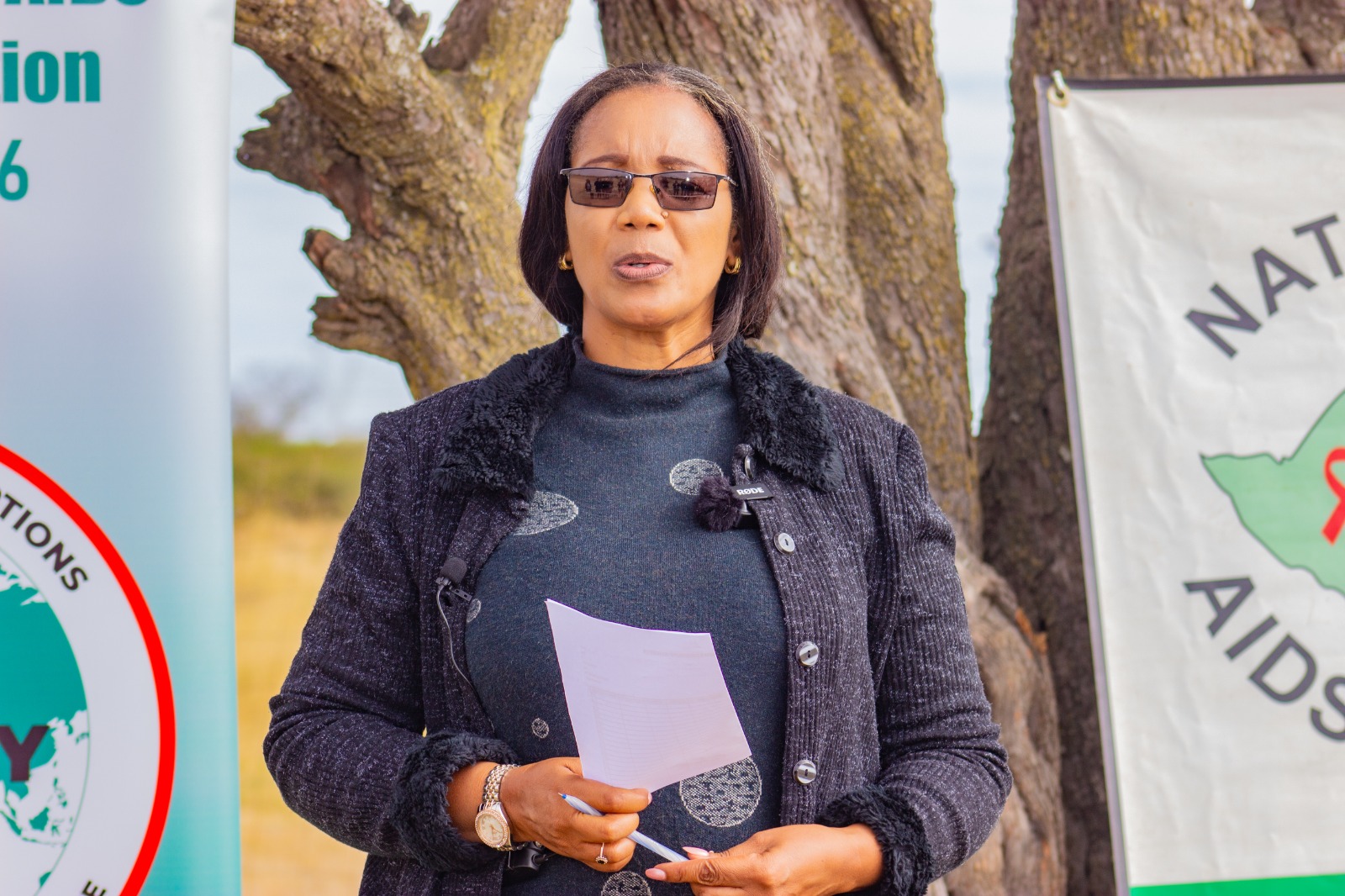
Delivering the keynote address, Hon. Biata Nyamupinga, representing the Parliamentary Portfolio Committee on Health, underscored the need to eliminate structural barriers to documentation and healthcare access.
This program represents a significant step towards addressing the structural barriers that hinder the full participation of women and girls in our society,” said Hon. Nyamupinga.
“Without birth certificates, national IDs, or passports, women and girls are excluded from essential services, including education, healthcare, and social protection programs.”
She further emphasized that healthcare access is not only a fundamental human right but also central to achieving an equitable and thriving society.
“For women and girls, comprehensive healthcare services, including maternal health and sexual and reproductive health, are essential for their wellbeing. However, many communities, particularly in rural and marginalized areas, face significant barriers, including inadequate facilities, long distances to healthcare centers, and high out-of-pocket costs,” she noted.
Mrs. Judith Hove from the Ministry of Women Affairs in Mashonaland Central highlighted the historical importance of addressing healthcare needs for women.
“Today, as we sit here, we are looking at one of the key aspects advocated for in the Beijing Declaration 30 years ago, healthcare. I appreciate the healthcare personnel for their efforts since the signing of this platform of action,” she said.
The conference also presented findings from an annual provincial healthcare barometer commissioned by IYWD and ACBOS. The barometer revealed that documentation often acts as both an enabler and a barrier to accessing healthcare services.
Kudawashe Munemo, the Knowledge Management, Documentation, and Advocacy Coordinator with IYWD, explained the significance of the findings.
“This meeting aims to share findings from the barometer, which reflects the concerns raised by women and girls regarding documentation and its role in accessing healthcare. It is also about fostering a multi-stakeholder approach to address these concerns collectively,” said Munemo.
He added, “By strategizing together, we hope to develop clear action plans and secure commitments from stakeholders to strengthen access to documentation. This includes advocating for policy reforms and efficient implementation to reduce costs, distance, and time taken to access these services.”
The stakeholders also agreed to use community radio stations in affected provinces to address information gaps. Additionally, they plan to streamline access to documentation for elderly women and girls, enabling them to receive services such as free healthcare and maternal care safely and efficiently.
Rotina Mafume-Musara, Women’s Coalition of Zimbabwe (WCOZ) Programs Manager, reiterated the importance of documentation in safeguarding women’s rights.
“Every woman deserves a quality life, which begins with proper documentation. Without it, women cannot access various services, including healthcare and social protection. It is also critical for addressing gender-based violence and ensuring women’s participation in key spaces,” said Mafume-Musara.
Charity Moyo, Outgoing Programs Coordinator for the Zimbabwe Association for Women in Mining Associations (ZAWIMA), shared insights specific to women in mining.
“The issue of documentation is crucial for women and girls in our sector. Lack of proper documentation not only limits access to healthcare but also affects their ability to earn and get paid. For instance, during a visit to Mutoko, we found that almost 90% of the girls in mining lacked documentation, making it difficult even to reimburse their transport,” Moyo said.