By Kuda Pembere
Zimbabwe has begun the process of developing a Health National Adaptation Plan (HNAP), a strategic framework aimed at addressing the impact of climate change on the health sector, with completion expected in early 2027.
Once finalised, the country is set to become the ninth in Africa with an up-to-date plan integrating climate change and health policy.
World Health Organization Africa Region (WHO AFRO) lead for Climate Change and Health, Jeremiah Mushosho, told HealthTimes that the plan is likely to be completed in the first quarter of 2027.
“It’s not definitive, but we are looking at the first quarter of 2027 because we want it launched at the highest level. We still have six steps to go.
“Those six steps began in the second quarter of 2026. After stakeholder identification, planning, and putting in place coordination mechanisms, we move on to data collection and subsequent phases.
“So it’s likely these steps will take us into the first quarter of 2027 to enable the launch. Every step informs policy. We will take every opportunity to generate policy statements, information and issues to support ongoing implementation and other policy processes,” he said.
Dr Mushosho said Zimbabwe is among three countries receiving WHO support this year to develop updated climate and health frameworks.
“So far, over the past 15 years, about 28 countries have conducted vulnerability and adaptation assessments (V&As) and developed HNAPs.
“However, we recommend that these be reviewed every five years because circumstances change. Currently, only about eight countries have up-to-date V&As, and Zimbabwe is set to become the ninth.
“This year, we are targeting Seychelles, Tanzania and Zimbabwe. These are the countries we are supporting, although more may come on board,” he said.
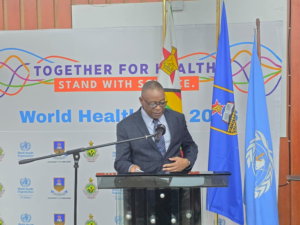
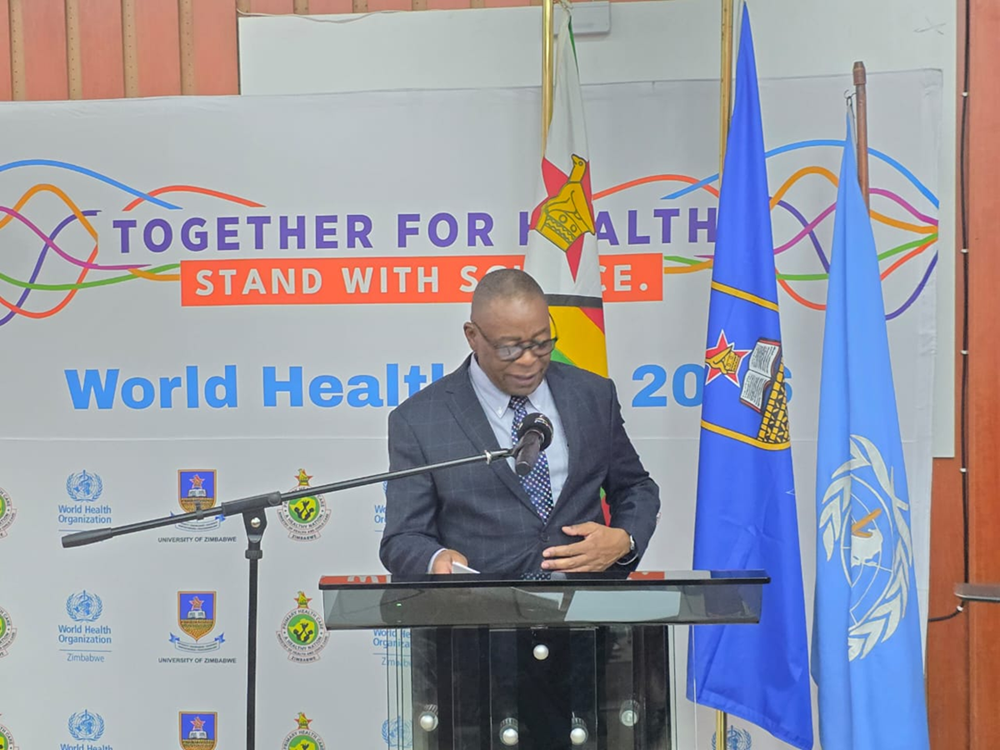
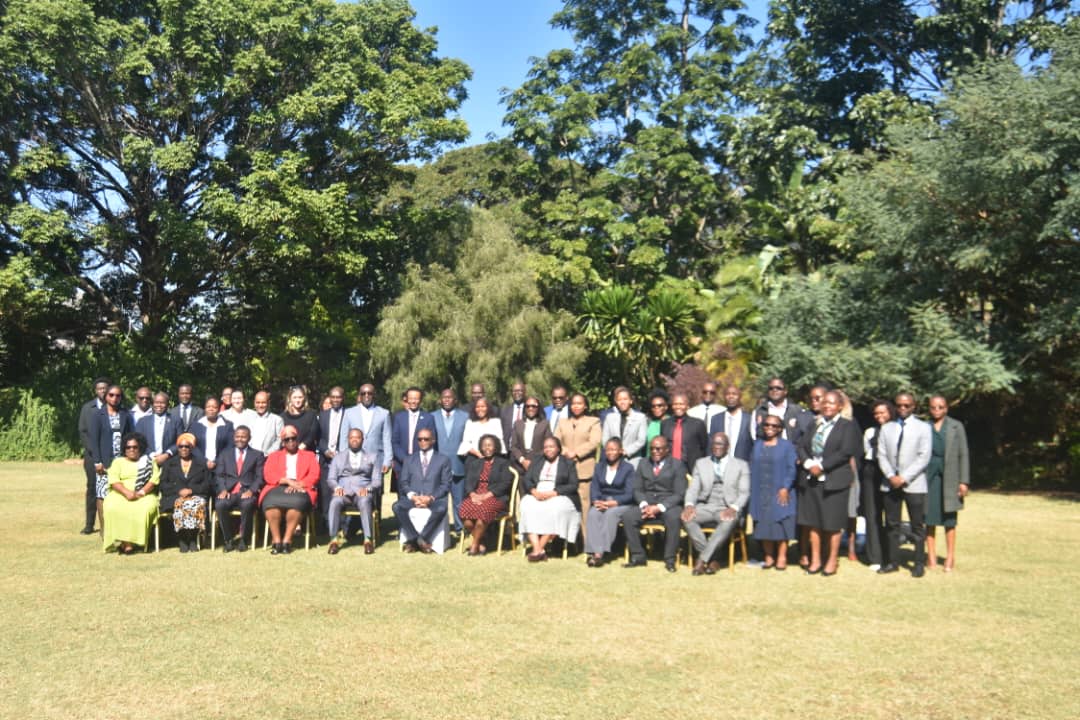
Speaking on the sidelines of the HNAP establishment launch, Health and Child Care Minister Dr Douglas Mombeshora said climate change is already affecting multiple sectors, including health.
“As you know, climate change is real and it is affecting various sectors of our society. Agriculture, the economy and health are no exception,” he said.
He noted that climate change is worsening key health indicators such as nutrition, maternal health and food security.
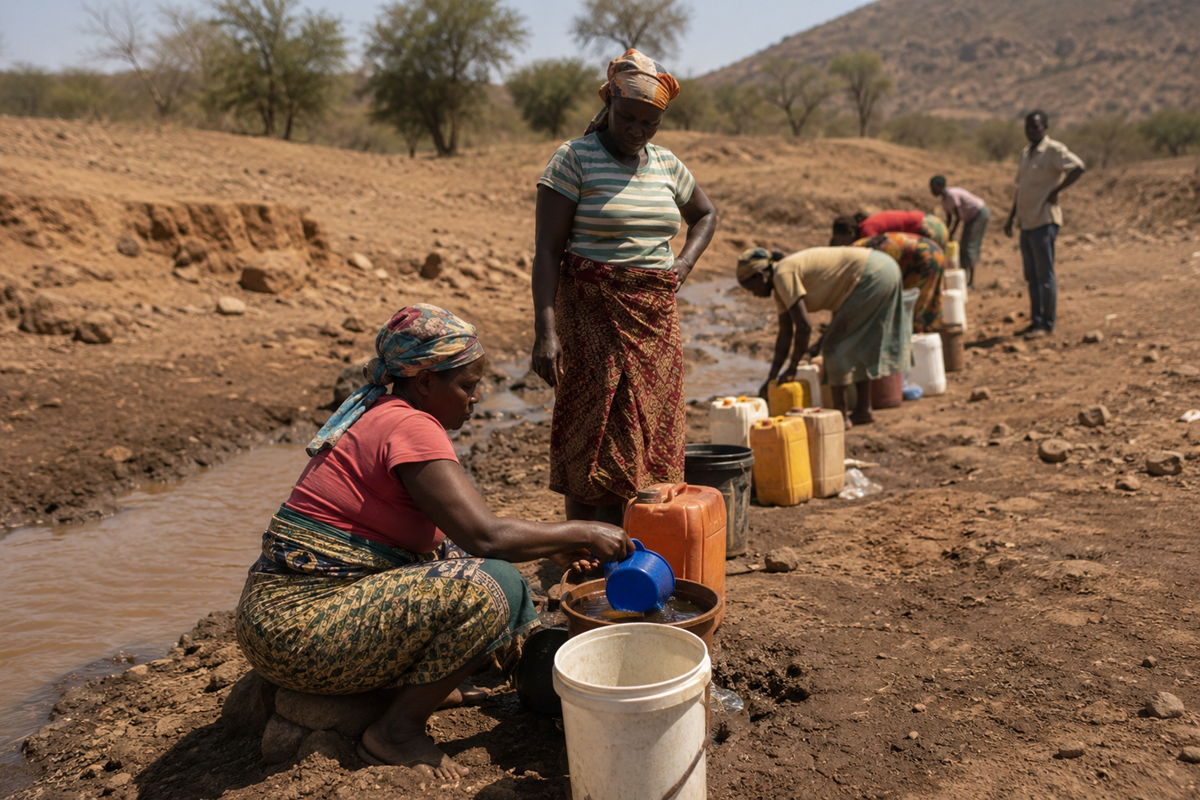
“Many people may not be aware that climate change affects air quality. It influences nutrition, contributes to droughts and food shortages, and drives extreme weather conditions.
“Extreme heat can affect pregnancy outcomes. We are seeing more premature deliveries and low birth weight, which have serious consequences for immunity development. Zimbabwe is no exception,” he said.
Mombeshora said rising neonatal mortality in the country could be linked to climate-related factors.
“We are seeing an increase in neonatal mortality, and prematurity is a major contributor.
“When we examine the causes of this rise in prematurity, we can link it to climate change. As a result, we must be proactive,” he said.
He stressed that the HNAP is a critical step towards building resilience in the health sector.
“When things are happening elsewhere, we should not wait for the situation to worsen locally. We must be proactive. That is why we are taking measures to address the effects of climate change.
“We hope to develop policies that will respond to these challenges. People often think climate change is only about the environment, but it has direct health consequences.
“In health, we lose lives. If we do not have trees, we may not get adequate rainfall, which leads to food shortages. Ultimately, we do not want people to die from lack of food. This is a very important step,” he said.
The minister added that the initiative involves collaboration with other government ministries.
“We are working with the Ministry of Agriculture, the Ministry of Environment and other stakeholders to develop a plan informed by science to mitigate the effects of climate change,” he said.
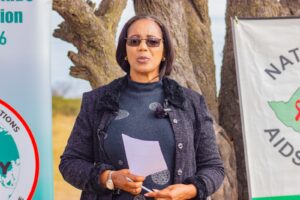
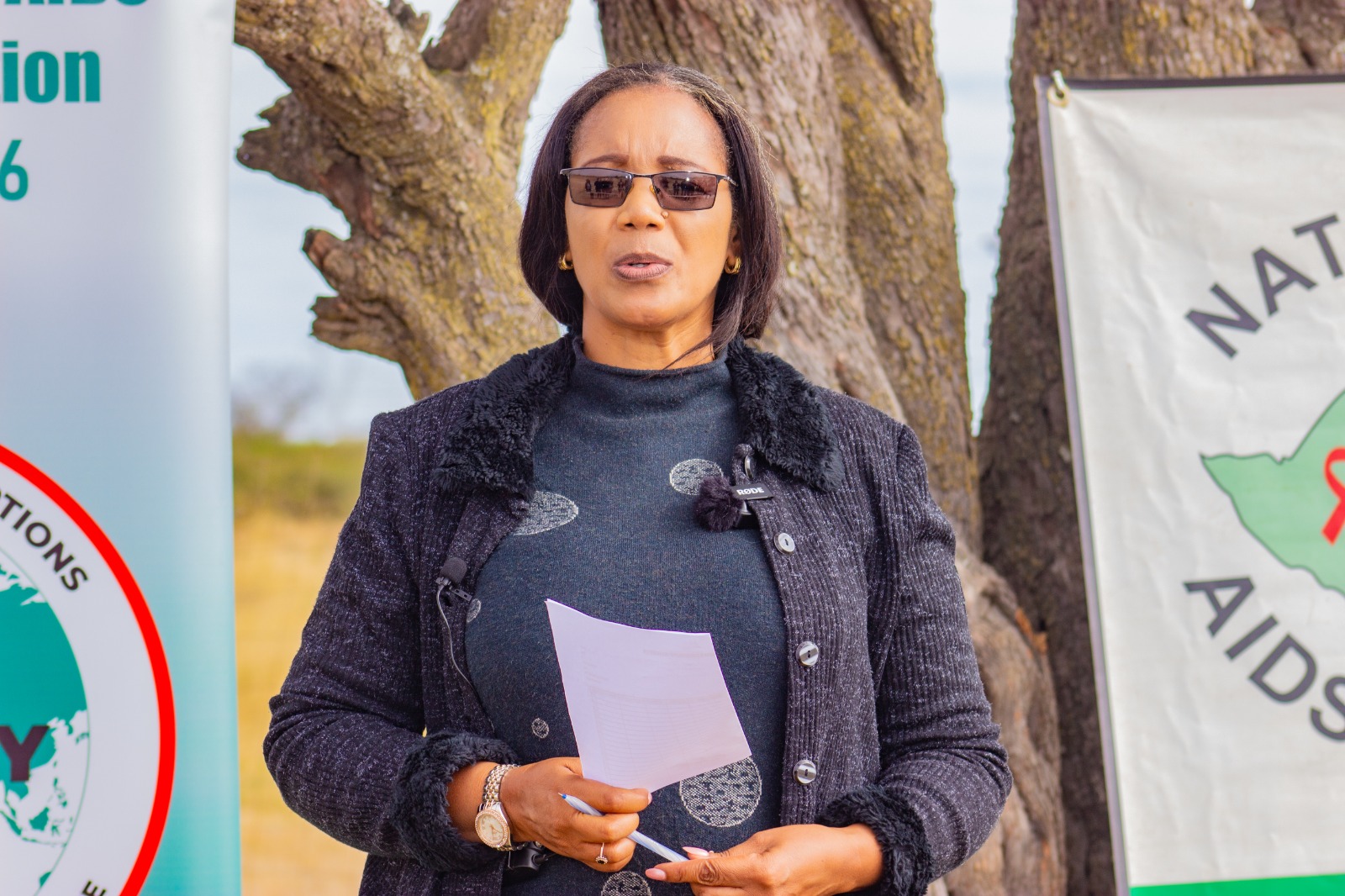
CESHHAR director for Climate Change and Health, Dr Fortunate Machingura, said the plan is urgent, given the scale of climate-related health threats.
“I was presenting statistics on public health events recorded on the continent between 2001 and 2021, based on Africa CDC data.
“Out of about 2,000 public health events recorded, nearly 60 percent were attributable to climate change. This means a significant proportion of these events are linked to climate-related factors.
“These include heatwaves, floods, cyclones and flash floods, which disproportionately affect vulnerable communities, especially children,” she said.
Machingura noted that nearly half of Zimbabwe’s population is made up of children and young people, who are most at risk.
“About 46 percent of Zimbabwe’s population is children and young people, and they will suffer the most. We need to think strategically about what needs to be done now.
“The impacts of climate change cut across sectors, but they ultimately manifest as poor health outcomes or overwhelmed health systems,” she said.
She emphasised the need for a policy framework to guide implementation.
“We need a policy framework that helps partners operationalise climate change responses across programmes such as HIV, TB, malaria, health systems strengthening and resource allocation.
“That is why a Health National Adaptation Plan is critically important going forward,” Dr Machingura said.