By Michael Gwarisa
Every twelve hours in Zimbabwe, an unimaginable tragedy unfolds. A fully loaded 75-seater bus carrying newborn babies crashes, leaving no survivors. The nation would demand answers, declare emergencies, and mobilize every resource to prevent another disaster. Yet this exact horror plays out in silence daily. According to the 2023-24 Zimbabwe Demographic and Health Survey, 18,500 newborns die each year before reaching 28 days of life. This translates to a neonatal mortality rate of 37 deaths per 1,000 live births. When we include stillbirths and deaths in the first week, the number surges to 24,500 lost lives annually, the equivalent of 327 buses vanishing without a trace.
These are not just numbers. They are mothers who cradled empty blankets, fathers who never heard a first cry, and futures erased before they began.
Earlier this year, Deputy Health Minister Sleiman Kwidini stood before Parliament and revealed a chilling snapshot. In just two months between January and February 2025, 299 newborns had died. Harare recorded the highest toll at 111 deaths, followed by Bulawayo with 50, and Mashonaland West with 33. These figures, grim as they are, only scratch the surface of a deeper crisis.
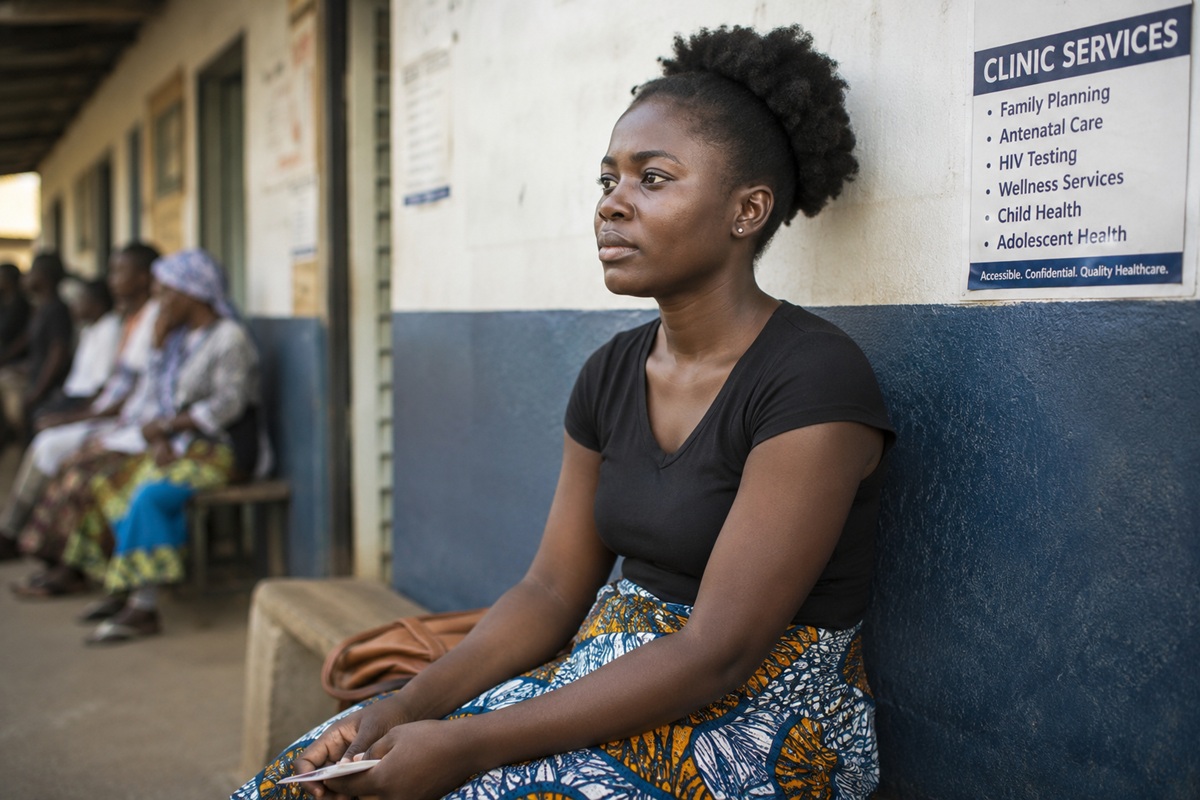
The 2023 Zimbabwe Demographic and Health Survey shows that while 92 percent of pregnant women receive some form of antenatal care from skilled providers, up from 87 percent in 2010, critical gaps remain. Only 34 percent of women attend their first antenatal visit in the crucial first trimester, and a shocking 9 percent complete the recommended eight visits. Even when women seek care, essential services are missed. One in three receive no nutrition counseling, and a quarter are never taught the basics of breastfeeding, simple interventions proven to save lives.
The disparities are staggering. In Matabeleland North, nearly all women, 98 percent, access skilled antenatal care, while in Manicaland, coverage drops to 78 percent. For women from apostolic sects like Johane Marange, the numbers are devastating. Only 2 percent receive skilled antenatal care, compared to 97 percent in the wealthiest households. This is not just a health crisis; it is a moral failure.
Facility-level shortages compound the problem. A 2024 Ministry of Health report found that 40 percent of health centers lack neonatal resuscitation equipment, and 25 percent have no incubators. In referral hospitals, one nurse often struggles to care for 50 newborns, triple the World Health Organization’s recommended ratio.
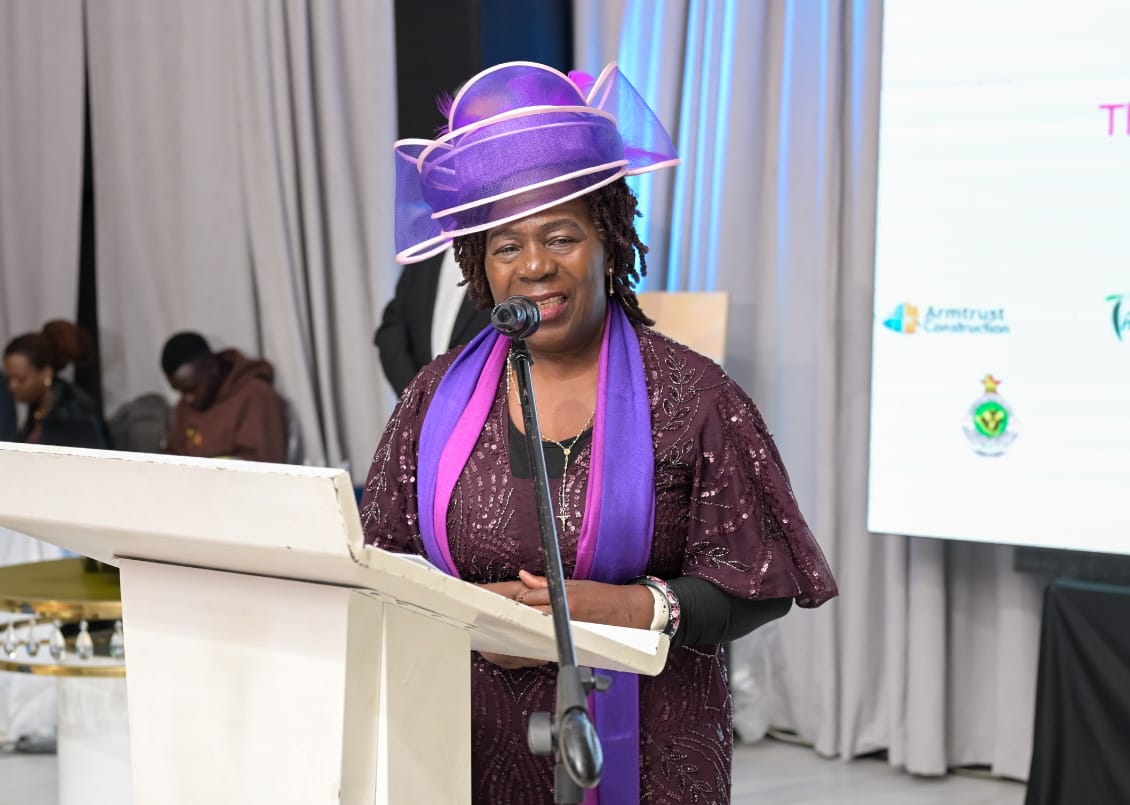
Miranda Tabifor, UNFPA Zimbabwe Country Representative, frames the crisis in human terms.
“These numbers are not just statistics,” she says. “They are mothers who should be celebrating life, not mourning it.”
Janene Davies, USAID Zimbabwe Mission Director, underscores the urgency. “Zimbabwe has made strides in skilled birth attendance, but the 28 percent increase in newborn deaths since 2015 is unacceptable,” she notes. ” This is a sobering wake-up call for all of us.
It highlights urgent gaps in maternal and child health systems and underscores the critical need for coordinated action at
every level of society—governmental, medical, and community.”
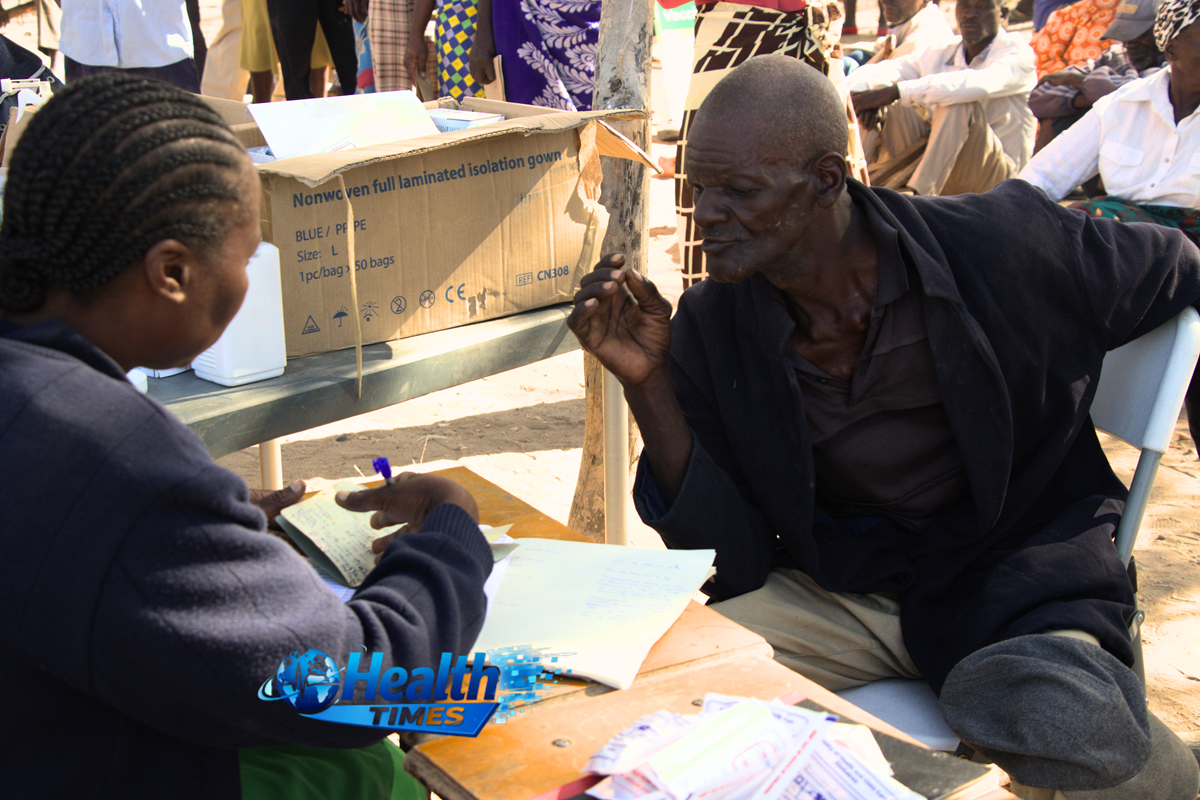
The good news is that we know what works. High-risk regions must be prioritized. Provinces like Harare and Bulawayo, where deaths are concentrated, need targeted investments in emergency obstetric and newborn care. Mobile clinics, partnered with trusted community and religious leaders, could bridge gaps for marginalized groups like apostolic women.
Antenatal care must shift from quantity to quality. Encouraging early first-trimester visits through incentives and community awareness can catch complications sooner. Health workers should be trained to deliver the full World Health Organization antenatal care package, including nutrition advice and danger-sign education.
Equipment saves lives. Zimbabwe could adopt low-cost, high-impact solutions like neonatal resuscitation kits and radiant warmers. South Africa’s Helping Babies Breathe initiative, which cut neonatal deaths by 30 percent, offers a proven blueprint.
Community health workers must be empowered. In Bangladesh, village-based pregnancy tracking and emergency referral systems reduced stillbirths by 21 percent, according to a 2022 Lancet study. Zimbabwe could replicate this success by integrating traditional birth attendants into formal health systems.
This is not a tragedy we must accept. It is one we must stop. We need a Neonatal Survival Fund, allocating at least 5 percent of Zimbabwe’s health budget to training, equipment, and high-risk areas. We need monthly public audits of newborn deaths, naming facilities and districts where failures occur. And we need a national Zero Preventable Newborn Deaths campaign, uniting government, NGOs, and media to turn outrage into action.
The buses will keep crashing unless we act. The question is whether Zimbabwe will listen to the silence, or finally break it.