By Michael Gwarisa
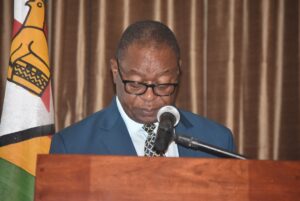
The National AIDS Council (NAC) on Thursday held its long-awaited Annual General Meeting (AGM) for 2023, following a year-long hiatus after the dissolution of the previous board. The AGM, which had been delayed throughout 2024, marked a significant turning point in NAC’s operations as the newly appointed board seeks to restore momentum in the country’s HIV response and scale up efforts toward ending AIDS as a public health threat by 2030.
Now that the board is in place, NAC is not only catching up on pending statutory obligations but is also already planning for the 2024 AGM, which is set to take place later this year. Speaking in an interview after the AGM, NAC Board Chair, Mrs Nester Mukwehwa outlined the Council’s renewed vision and priority areas going forward.
The priorities for NAC are to endeavour to achieve our target of ending HIV and AIDS by 2030. Therefore, our main focus is to keep our programmes uninterrupted,” said Mrs Mukwehwa. “These are programmes that relate to people living with HIV and AIDS, and we are ensuring that they continue receiving funding. In terms of our priorities around the 95-95-95 targets, we are working hard to move closer to achieving those goals.”
The 95-95-95 targets, set by UNAIDS, aim for 95 percent of people living with HIV to know their status, 95 percent of those diagnosed to be on treatment, and 95 percent of those on treatment to achieve viral suppression.
Mrs Mukwehwa also acknowledged some of the challenges facing NAC, especially in light of recent changes in donor funding. She referred to the USAID-imposed “Trump stop order,” which resulted in funding cuts affecting several HIV-related activities previously supported by international partners.
“I wouldn’t call it a challenge as such, because it has not crippled our programmes. But we did experience cuts in support from the donor community, which meant that some activities were affected. We have responded by absorbing staff from affected organisations such as Population Health International back into NAC,” she said.
According to Mrs Mukwehwa, the NAC board made a resolution to rehire these individuals under NAC’s payroll to retain their expertise and institutional memory. She added that NAC is exploring internal funding mechanisms and reaching out to potential partners to secure additional resources to fill the funding gaps left by the USAID cuts.
“We are looking at logistics around mobilising support, and we are inviting partners to express interest in assisting us. Our goal is to ensure that funding gaps do not hinder our operations,” she added.
One of the key issues raised during the AGM was the gap in HIV service access among children, particularly in rural areas. This concern was addressed by Dr Benard Madzima, NAC’s Chief Executive Officer (CEO), who outlined the council’s strategic response to paediatric HIV.
“The issue of rural children is a serious concern. This is why the H2 initiative is being implemented to improve access for children so they can play a meaningful role in HIV prevention and treatment,” said Dr Madzima. “We now have a national roadmap to improve children’s access to HIV services across all pillars, particularly in prevention of mother-to-child transmission.”
He explained that this roadmap begins with antenatal care coverage, ensuring pregnant women in rural areas have access to testing and treatment. The plan also includes improving paediatric HIV diagnosis, ensuring access to maternity and postnatal care, and making modern, effective antiretroviral regimens available to children living with HIV.
“There are many issues around children that we are addressing, including diagnostics and treatment,” he said. “We now have a national vaccine team focusing on achieving less than five percent mother-to-child HIV transmission, which is a major milestone in our national HIV response.”
The resumption of the AGM comes at a critical time when Zimbabwe, like many other countries, is realigning its HIV response strategies post-COVID-19. The involvement of the new NAC board and the renewed focus on funding, service delivery, and inclusion of vulnerable groups such as children reflects a broader commitment to achieving national and global HIV targets.