By Kuda Pembere
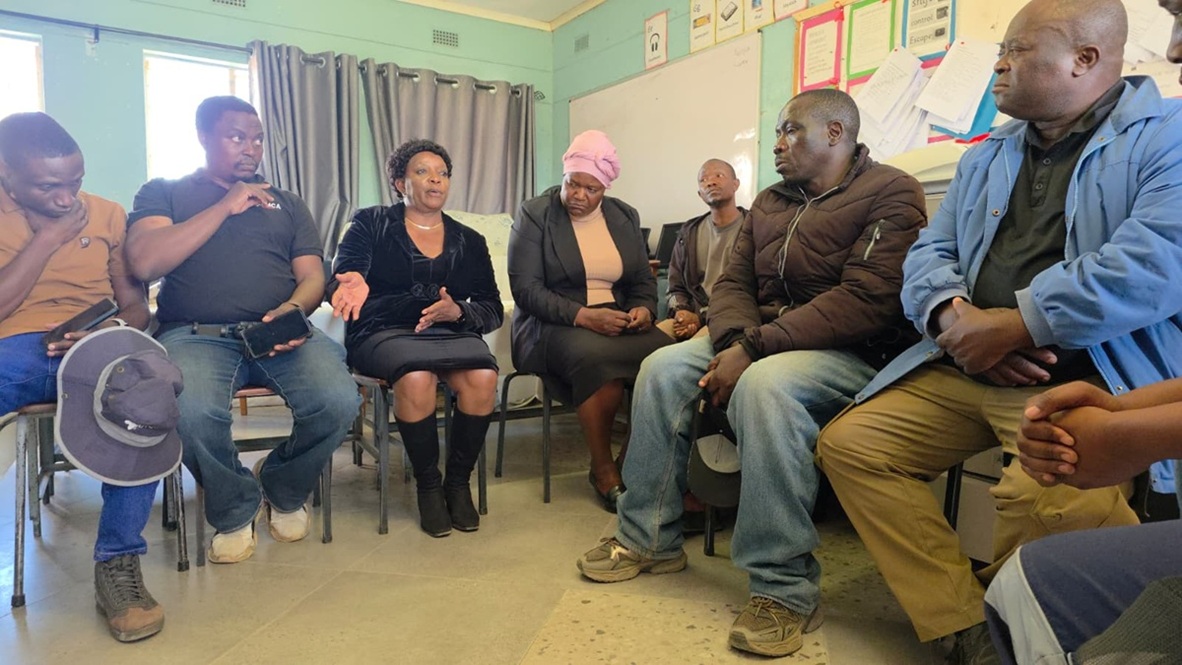
The Zimbabwe Gender Commission (ZGC) on Thursday launched a national inquiry into sexual harassment in institutions of higher and tertiary education, marking the start of a long-delayed process at Harare Polytechnic College.
The Ministry of Women Affairs tasked ZGC with the inquiry in 2020, but the official launch comes five years later. The exercise seeks to establish the extent of the problem in Zimbabwe’s colleges and universities, how institutions are responding to cases, and whether existing policies adequately protect students and staff.
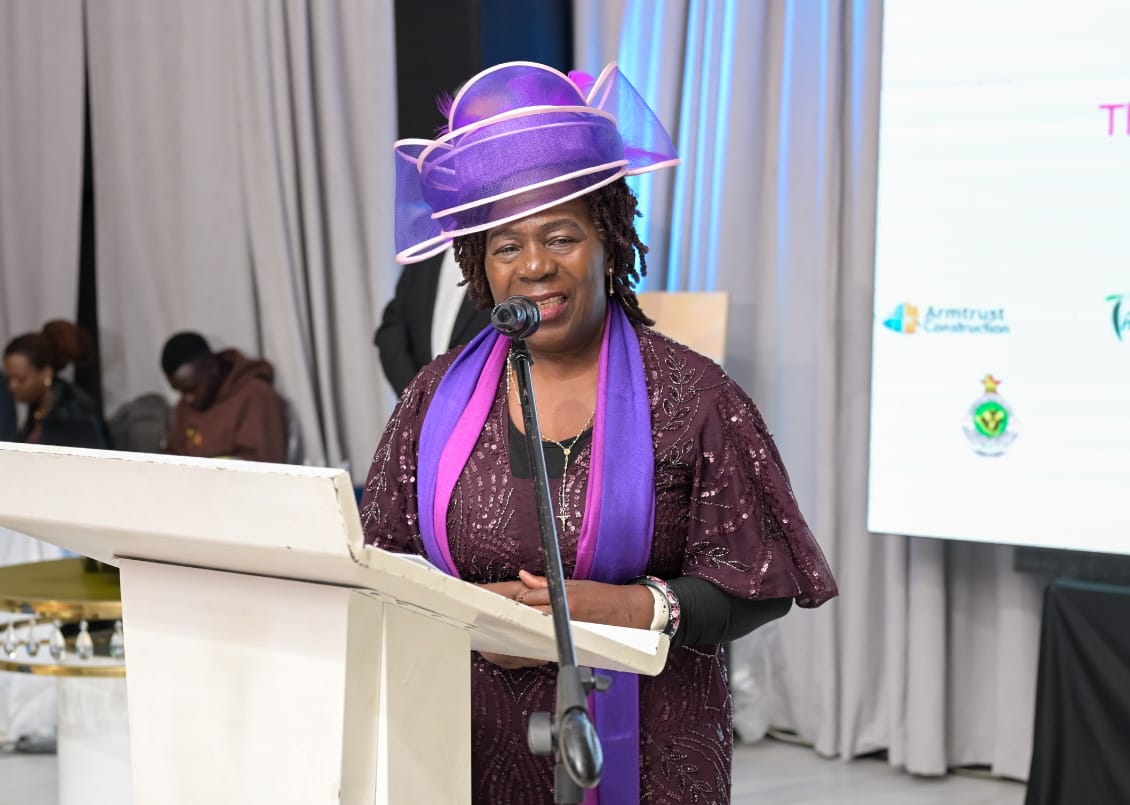
Speaking at the launch, ZGC chairperson Margaret Sangarwe said the Commission aims to identify gaps in institutional responses and push for safer learning environments.
“The main goals are to find out how common and serious sexual harassment is in tertiary institutions across Zimbabwe. We also want to know how institutions respond to the reports, what support is available for victims, and what stops victims from speaking out,” she said.
Sangarwe added that reports received by the Commission suggest the problem is worsening. “Since the Commission was formed, we’ve dealt with many sexual harassment cases—and most of them are from tertiary institutions,” she said. A 2022 Parliamentary Committee Report also flagged serious problems, particularly in environments where power dynamics leave students vulnerable to abuse.
Representing the Ministry of Higher and Tertiary Education, Darlington Damba, who stood in for Permanent Secretary Professor Fanuel Tagwira, welcomed the initiative.
“On February 28 this year, the Commission publicly announced their plans to investigate. They also invited the public and key stakeholders to submit information. We believe this initiative is very important for all institutions, as it will give us proper evidence and help improve policies,” said Prof. Tagwira in a statement.
A representative from the Ministry of Women Affairs said the inquiry demonstrated ZGC’s seriousness in addressing the problem. “Admitting that there is a problem is the first step. Sexual harassment is not just ordinary abuse. It is a serious issue based on power imbalances that hurt students’ confidence and negatively affect their education,” she said.
Civil society groups also welcomed the inquiry. Female Students Network (FSN) chairperson Kimberly Nyatanga described it as a “national commitment to truth-telling.”
“As FSN we are very excited that our government is making strides in making sure that things start moving, things start happening in order to have safe spaces in tertiary institutions,” she said. “Sexual harassment remains a pervasive and deeply harmful reality across Zimbabwe’s higher and tertiary education sector. For too long, survivors have been silenced by stigma, by fear, institutional inertia. This inquiry marks a decisive shift.”
Young Women Forum chairperson under the Women’s Coalition of Zimbabwe (WCoZ), Tatenda Nyamhunga, praised the move as a product of years of advocacy.
“This collaboration between the Zimbabwe Gender Commission and the Female Students Network is a monumental and marching step forward for our country,” she said. “For years, women, including young women in tertiary institutions, have been at the forefront of the fight against gender-based violence. This national inquiry is a powerful statement. It is an acknowledgement that our tertiary institutions, which should be sanctuaries of learning and innovation, have instead become spaces of fear and vulnerability for many of our students.”