Michael Gwarisa
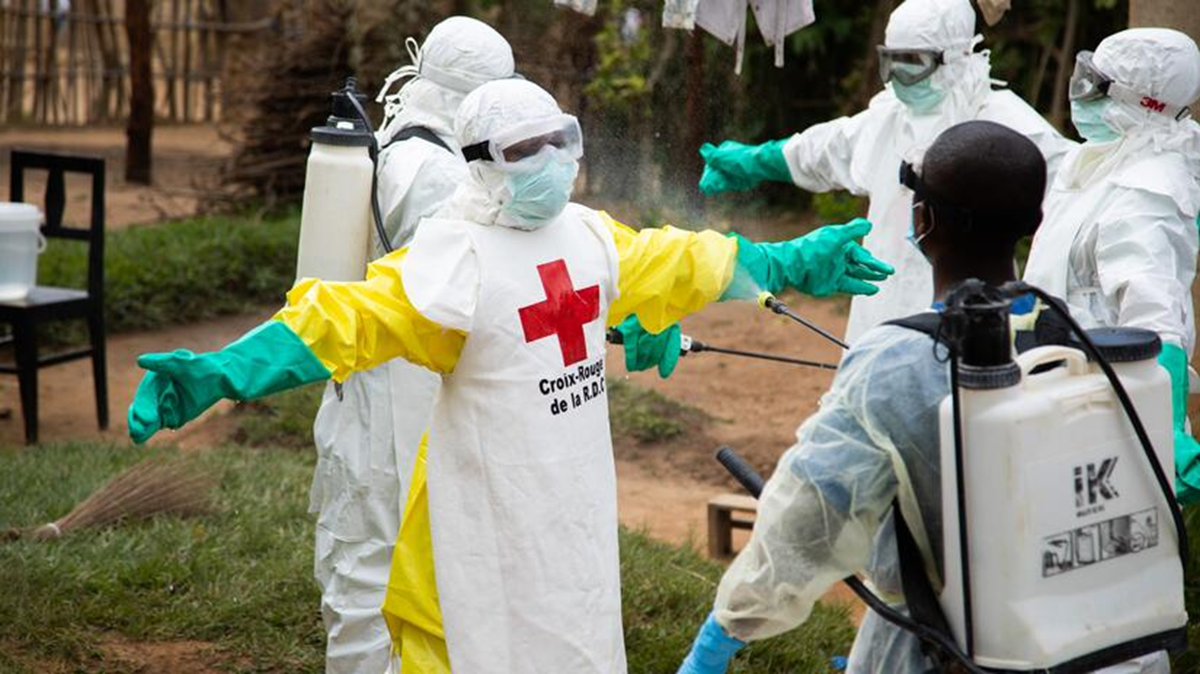
The Africa Centres for Disease Control and Prevention (Africa CDC) has announced a cholera outbreak in Zimbabwe, with one reported death and five confirmed cases so far.
The announcement was made during the Africa CDC weekly virtual press briefing by Professor Yap Boum, Deputy Incident Manager at the Africa CDC.
According to the Africa CDC, the index case is a 38-year-old male who developed diarrhoea and vomiting after recent travel to Mozambique, highlighting the challenges of cross-border transmission and coordination.
Data from January show a total of 8,212 reported cases across affected countries, with 188 deaths, resulting in a case fatality ratio of 1.7 percent. This remains above the target of keeping the case fatality ratio below 1 percent. Currently, 11 African Union member states are reporting active cholera outbreaks.
During the past week, Zimbabwe was added to the list of affected countries, reporting new cholera cases. Overall, five countries, South Sudan, Sudan, the Democratic Republic of the Congo, Angola, and Nigeria, account for nearly 90 percent of all reported cholera cases and about 85 percent of related deaths on the continent.
“Zimbabwe has reported five cholera cases and one death, resulting in a high case fatality ratio of 20 percent. This elevated rate is largely due to the small number of reported cases, but it underscores the urgent need for a rapid response,” said Professor Boum.
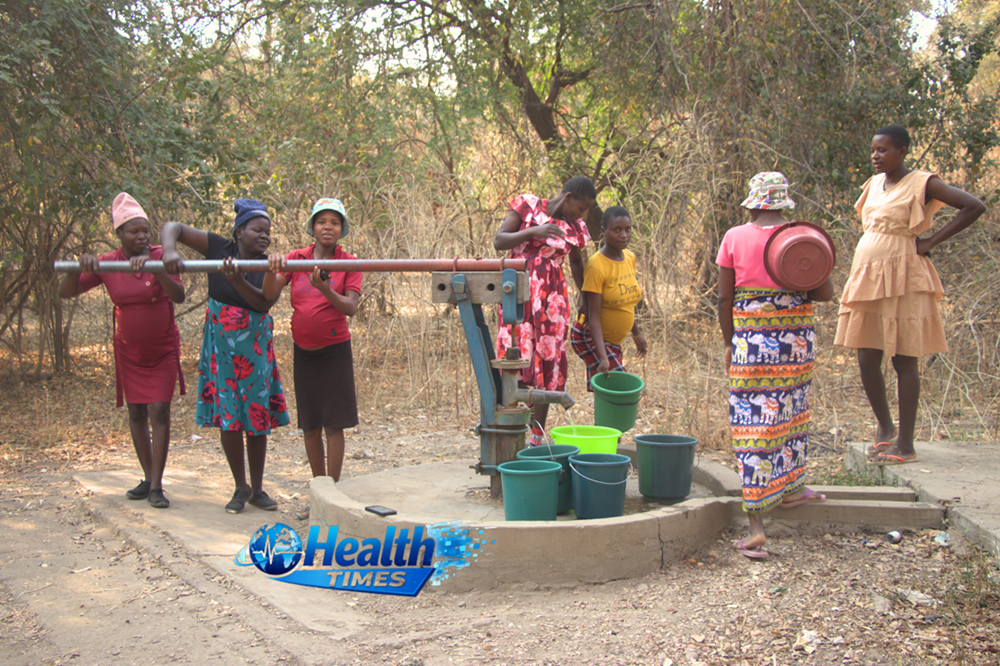
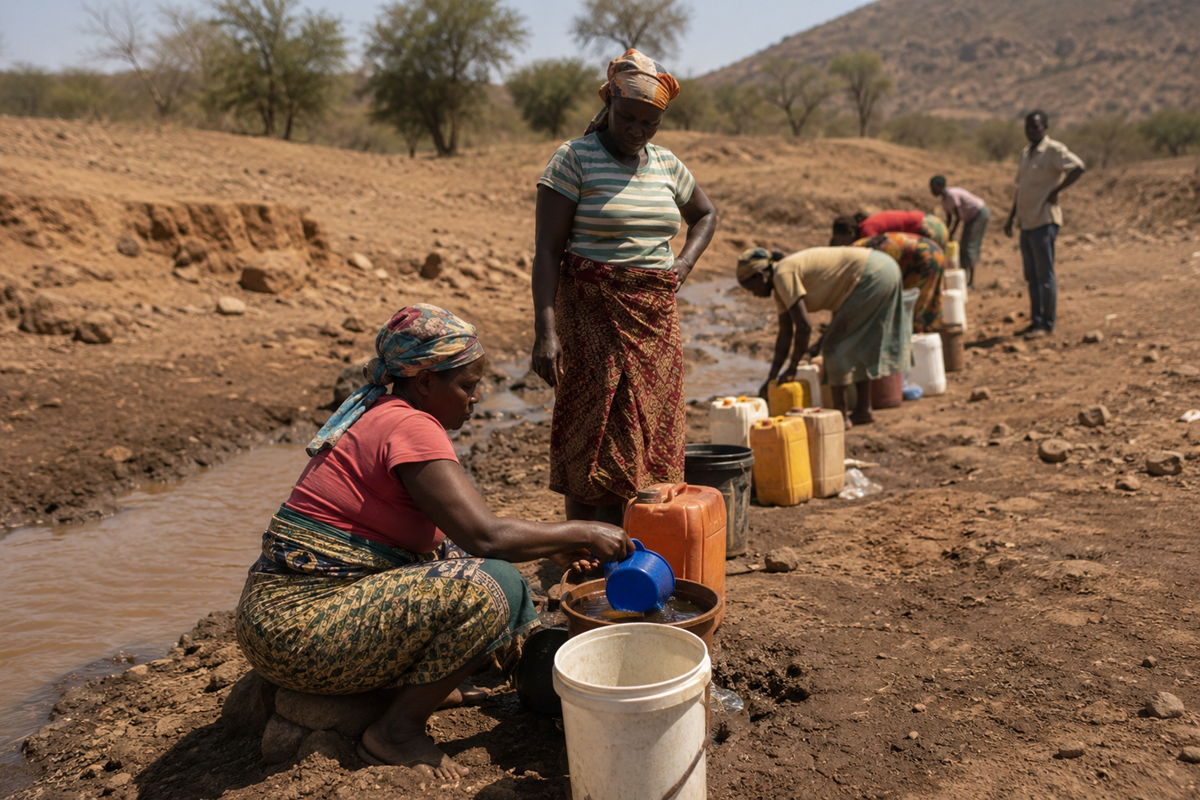
Zimbabwe’s last major cholera outbreaks were recorded in 2024 and during the 2020 to 2025 period. Current hotspots indicate movement from affected communities in Mozambique into Zimbabwe, driven by poor sanitation, population density, cross-border movement, and flooding.
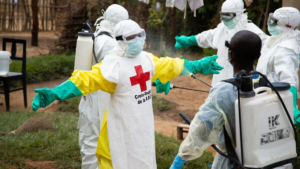
“Response measures underway include the establishment of Cholera Treatment Units, enhanced risk communication and community engagement, and strengthened surveillance systems to rapidly detect cases, identify hotspots, and improve access to clean water in affected areas,” added Professor Boum.
Regionally, in the Democratic Republic of the Congo, there has been a gradual decline in both cases and deaths, although the country remains the highest burden cholera-affected nation. A continental cholera after-action review will be held in the Democratic Republic of the Congo, followed by a national review to capture lessons learned.
“The context remains highly challenging due to conflict, population displacement, seasonal flooding, and limited access to safe water. Addressing cholera requires high-level political engagement, including the establishment of presidential task forces to ensure multi-sectoral coordination. Factors such as artisanal mining, urban water shortages in Kinshasa, and insecurity in eastern provinces continue to drive transmission and cross-border spread into neighbouring countries, including Burundi.”
In Angola, a general decline in cases has been observed, although a slight increase was recorded this week. The case fatality ratio remains below 1 percent at 0.4 percent, with 14 deaths out of 30,792 cases. Access to safe water remains a challenge, but significant efforts are underway to improve water infrastructure.
Discussions around oral cholera vaccination are ongoing. One dose offers protection for one to two years, while two doses can provide protection for three to five years, creating an opportunity to strengthen water, sanitation, and hygiene infrastructure in cholera-prone hotspots.
In Mozambique, 71 deaths have been recorded out of 6,683 suspected cases. Females account for the majority of cases, while males represent 49.9 percent. Children under 15 years make up 13 percent of reported infections.
Current hotspots include Nampula, Tete Province, and Cabo Delgado Province. The situation in Mozambique, alongside outbreaks in Zimbabwe and Zambia, underscores the importance of regional coordination, particularly in addressing cross-border transmission, flooding, and population movement.