Michael Gwarisa
In a bid to avert public health challenges in the wake of La Niña–related flooding in Zimbabwe, FACT Zimbabwe and Tearfund Zimbabwe have launched a 45-day Anticipatory Action Intervention under the Start Network’s Start Fund mechanism.
The program aims to protect high-risk communities in Bikita, Chiredzi, and Zaka districts in Masvingo Province.
Speaking on the development, Gertrude Shumba, Executive Director of FACT Zimbabwe, said responding early to climate change–induced disasters is crucial.
“This anticipatory intervention demonstrates the power of early action and collaborative leadership,” said Shumba. “Acting early saves lives, protects essential services, and strengthens the resilience of communities most affected by climate-driven health risks.”
With climate shocks intensifying and public health systems under increasing pressure, the intervention focuses on acting before the crisis escalates, reducing avoidable illness, strengthening community resilience, and preventing overstretching of local health facilities.
The intervention prioritises three critical areas: preventing cholera and acute watery diarrhoea (AWD), mitigating a projected rise in malaria cases, and supporting community preparedness.
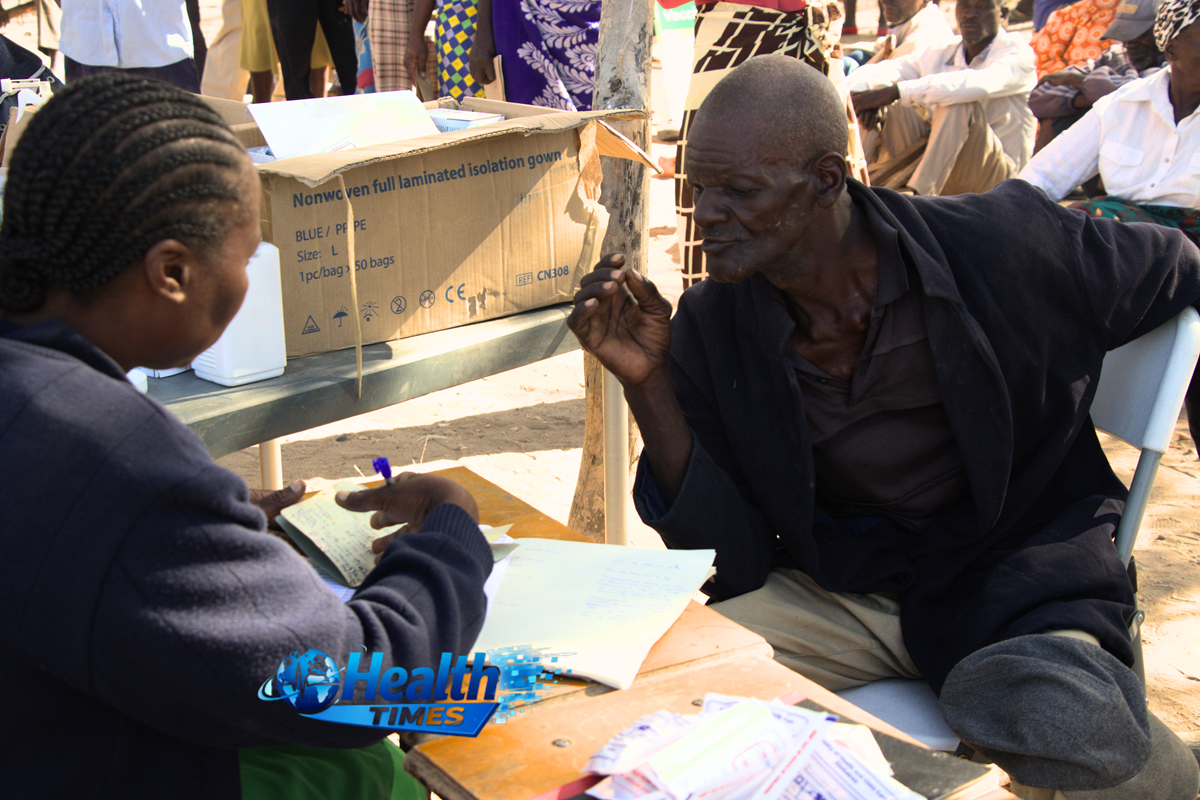
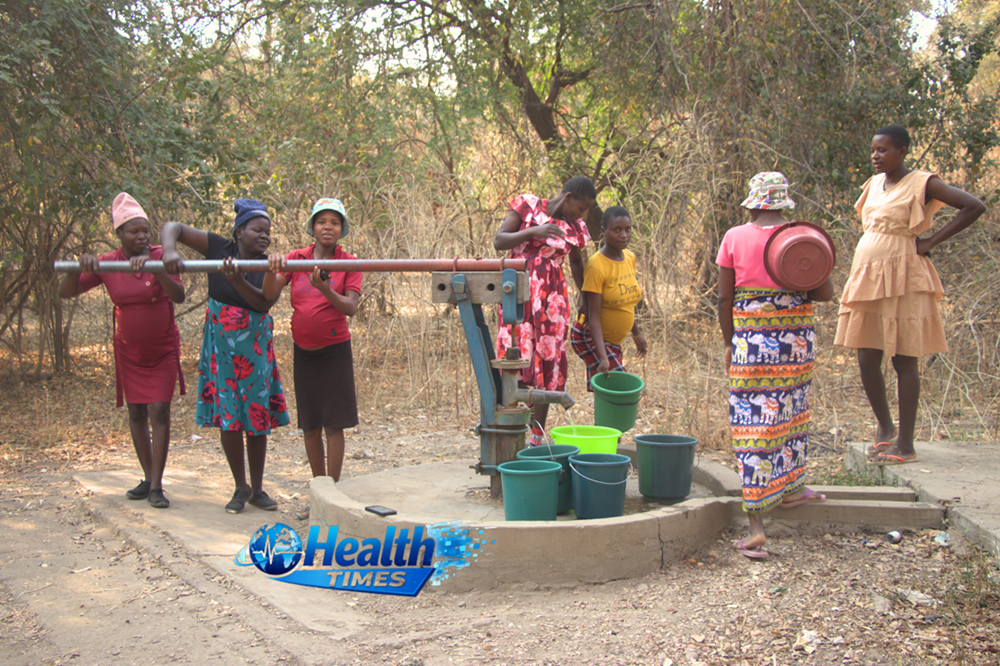
Under cholera and AWD prevention, priority is given to hygiene promotion, water, sanitation and hygiene strengthening, and risk communication in hotspot and flood-prone communities.
For malaria mitigation, focus is on targeted early preventive measures ahead of increased vector breeding linked to flooding. Under community preparedness, attention is being given to WASH infrastructure reinforcement and mobilisation of district-level response systems.
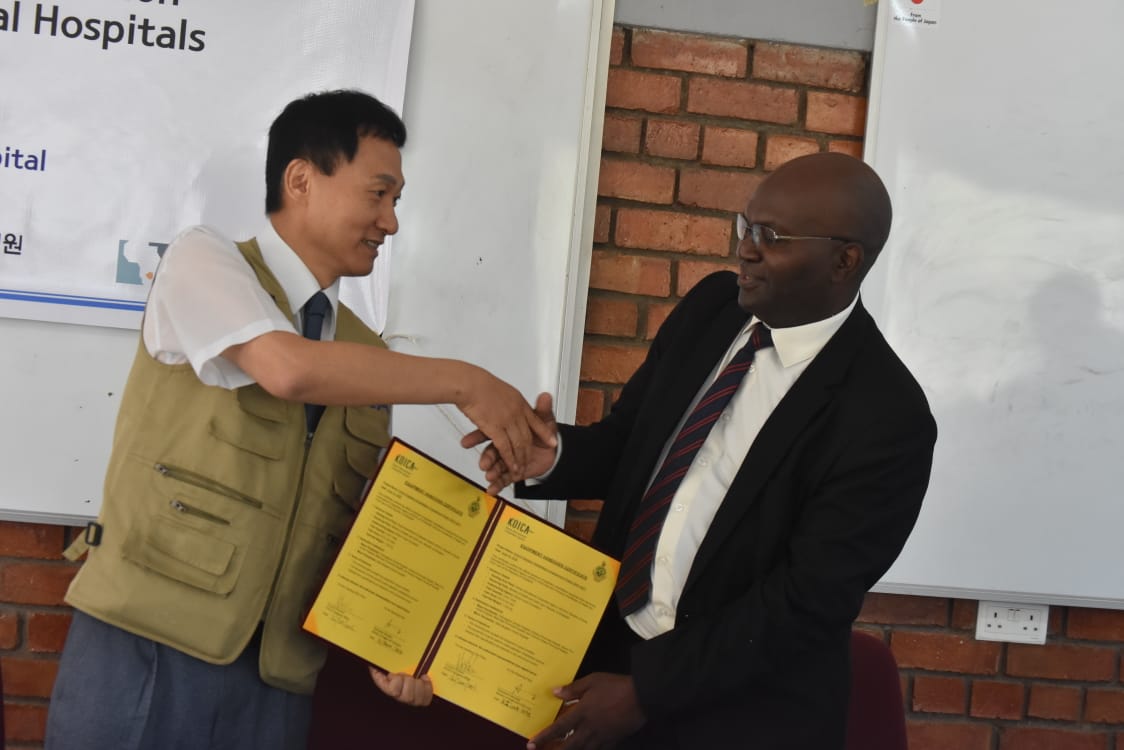
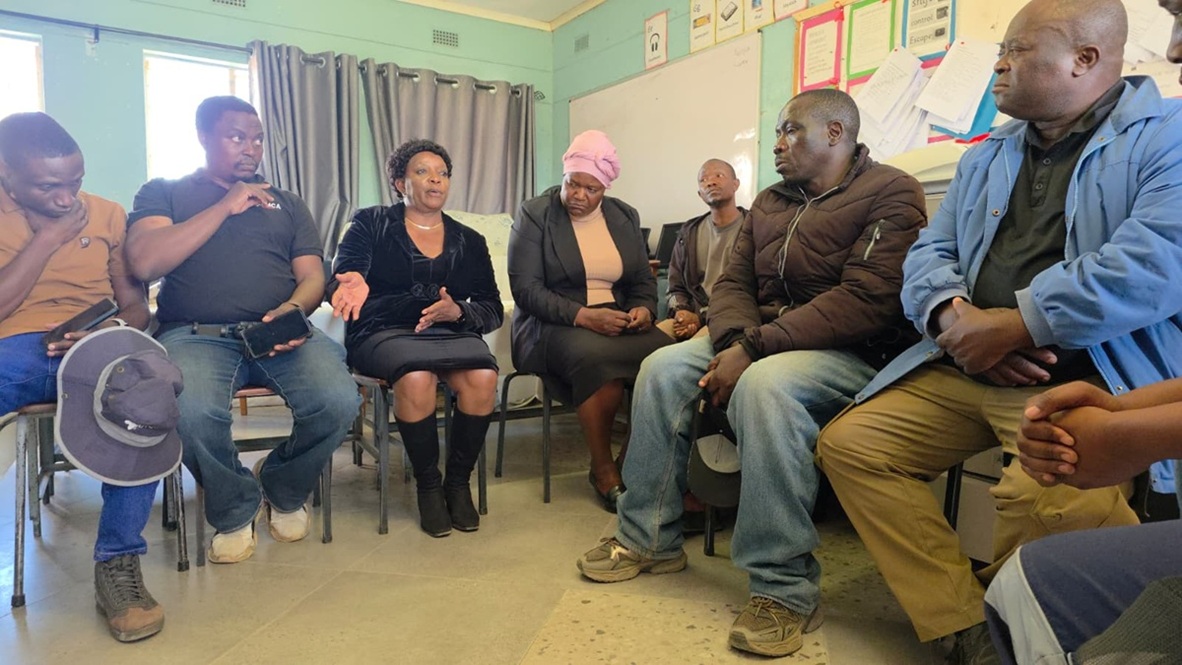
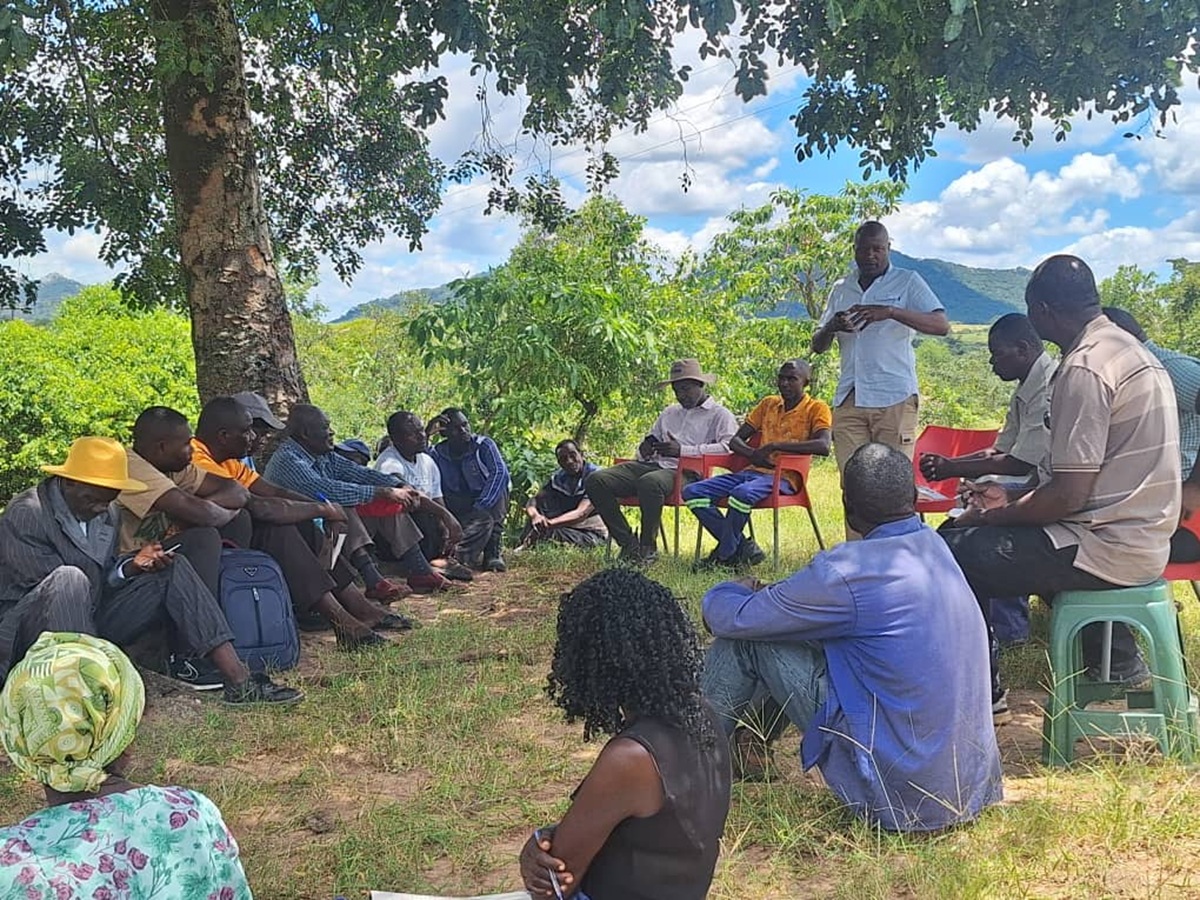
FACT Zimbabwe and Tearfund Zimbabwe collaborated with district officials, under the leadership of District Development Coordinators (DDCs), to conduct district-level sensitisation and intervention prioritisation. These sessions ensured that activities remain risk-informed, context-specific, and aligned with existing district disaster preparedness and response structures.
During the sensitisation process, district authorities emphasised the importance of acting early to avoid preventable morbidity during the rainy season.