
Kuda Pembere in Gweru
At just 22, Rangarirai (not her real name) says she is finally ready to step back into the world and “slay” again. For many young Zimbabweans born in the 2000s, often called Ama2Ks or Gen Z, the slang means showing up confidently, looking good, dressing well and embracing life with pride.
But for four years, confidence was something Rangarirai could only dream of.
After developing obstetric fistula following the birth of her first child at 18, the young woman from Shamva was forced to live with a deeply distressing condition that left her unable to control bowel movements, isolating her socially and robbing her of dignity
“So I couldn’t control myself when trying to do Number 2,” she said.
An initial attempt to repair the fistula failed.
“Whenever I had a running stomach, it would leak through the vagina,” Ranga said. “When I rushed to the toilet, the faecal matter would have already leaked.”
The condition was deeply humiliating for the young woman, forcing her to think twice before boarding public transport.
“With this condition I was even afraid to get into a kombi, fearing I would leave it smelling foul,” she said.
The stigma was severe. Ranga said she eventually lost many of her friends.
“Many of my friends in Shamva treated me with disgust, saying they did not want to associate with someone who leaks faecal matter,” she said.
“They laughed at me and scorned me. I would pray to God asking when this problem would end. I am grateful to God and also to my husband who strengthened me, assuring me that God has His own time to fix this. True to that, I got the help I needed here at Gweru Hospital.”
Despite the stigma, her husband and family stood firmly by her.
“My husband was very supportive, together with my parents who moved around with me looking for a solution,” she said.
“That is when we heard about the Gweru fistula repair camp. My husband even took the blame, saying it was his child who caused the fistula and that he had no choice but to support me. He said he would not leave me because of this condition and promised to take care of me even if it was never fixed.”
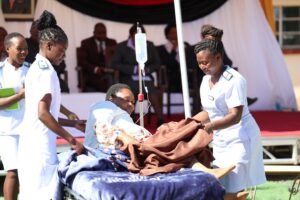
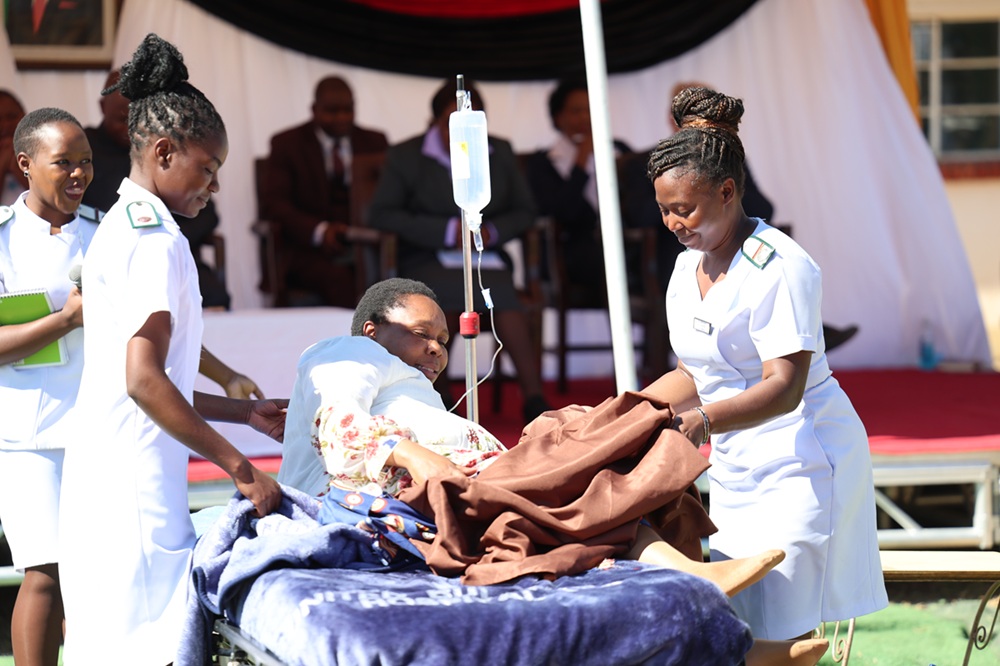
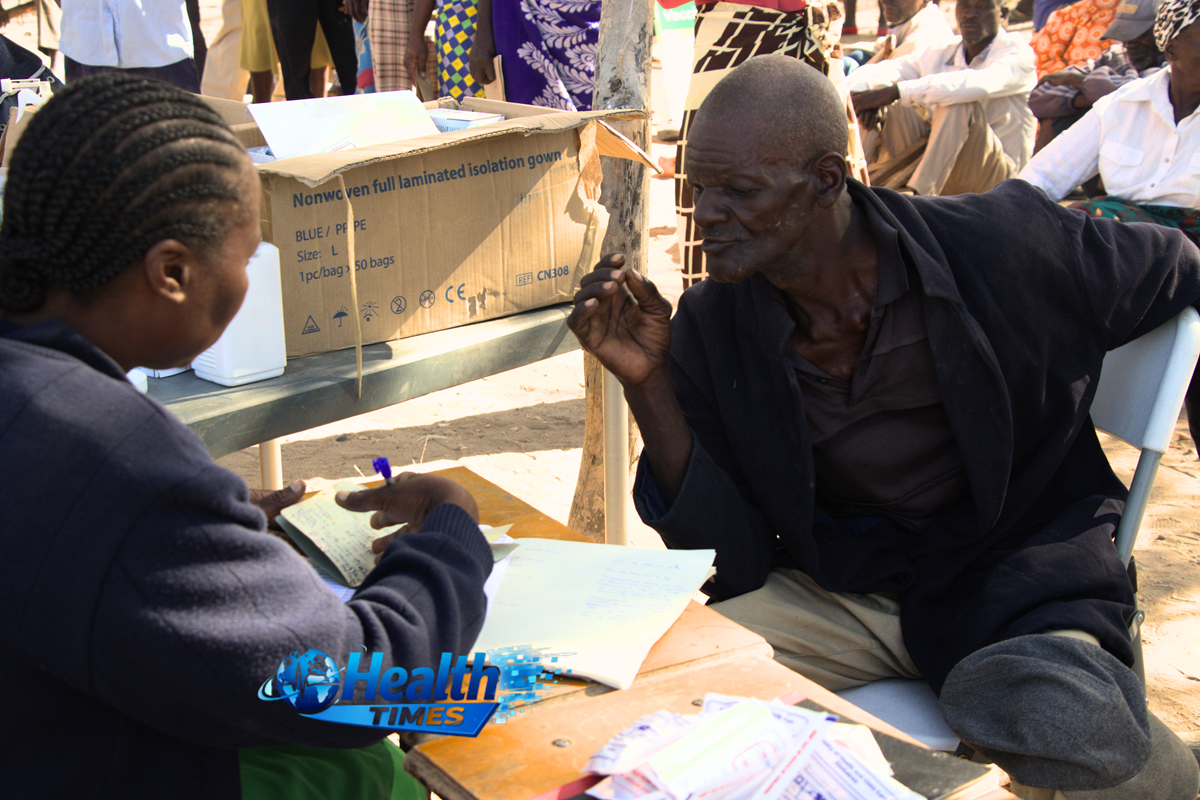
After four years of living with the condition, Ranga finally received surgery during the obstetric fistula repair camp held at Gweru Provincial Hospital.
“For years I carried this shame like a handbag,” she said.
“Now I can go for number 2normally. I am no longer leaking. It is a repairable problem and I am grateful to everyone who made this camp possible.”
Meeting other women with the same condition was also a revelation.
“I thought I was the only one with this problem, but there are many others here. Some have VVF where they leak urine,” she said.
“I used to cry at home wondering why this was happening only to me. But we are many. There is comfort in knowing you are not alone, and even more comfort when the problem can be fixed.”
Now 22, Ranga says she is ready to reclaim her life.
“I would like to encourage other women who have obstetric fistula, whether VVF or RVF, to look for help. It is fixable and you will no longer have to worry about leakages. You will move around freely again and slay,” she said.
“People will be shocked to see the same person they once laughed at. I will now wear my best clothes and slay without shame. Before this problem I used to dress well and turn heads.”
A different generation, the same struggle
But Ranga’s story is not unique. Another woman’s suffering began decades earlier.
Esther Maxaba, now 67, has lived with the condition for far longer.
Maxaba said she was forced into an arranged marriage while still a teenager.
“I was very young when I was told that my schooling days were over and that I had to get married,” she recalled.
“I tried to resist and even thought of running away but it was impossible.”
Soon after the marriage she became pregnant. When labour began, complications set in.
“In my community many people rely on prayer camps and traditional beliefs. I was at a church gathering when labour started and it lasted for a long time,” she said.
The baby did not survive and the prolonged labour left her with a devastating birth injury known as vesicovaginal fistula (VVF), a condition that causes uncontrollable leakage of urine through the vagina.
“My child died and I developed this condition. Eventually my husband left because no one could tolerate living with someone who could not control her bladder,” she said.
For years she lived in isolation, avoiding gatherings because of the embarrassment caused by the condition. Only her siblings stood by her during the difficult period.
Her life changed when she heard about the Government’s fistula repair programme.
“My sister found money for me to travel for this operation,” she said.
“I have lived with this injury for a very long time. Now I am looking forward to going back home and living normally again.”
A preventable birth injury
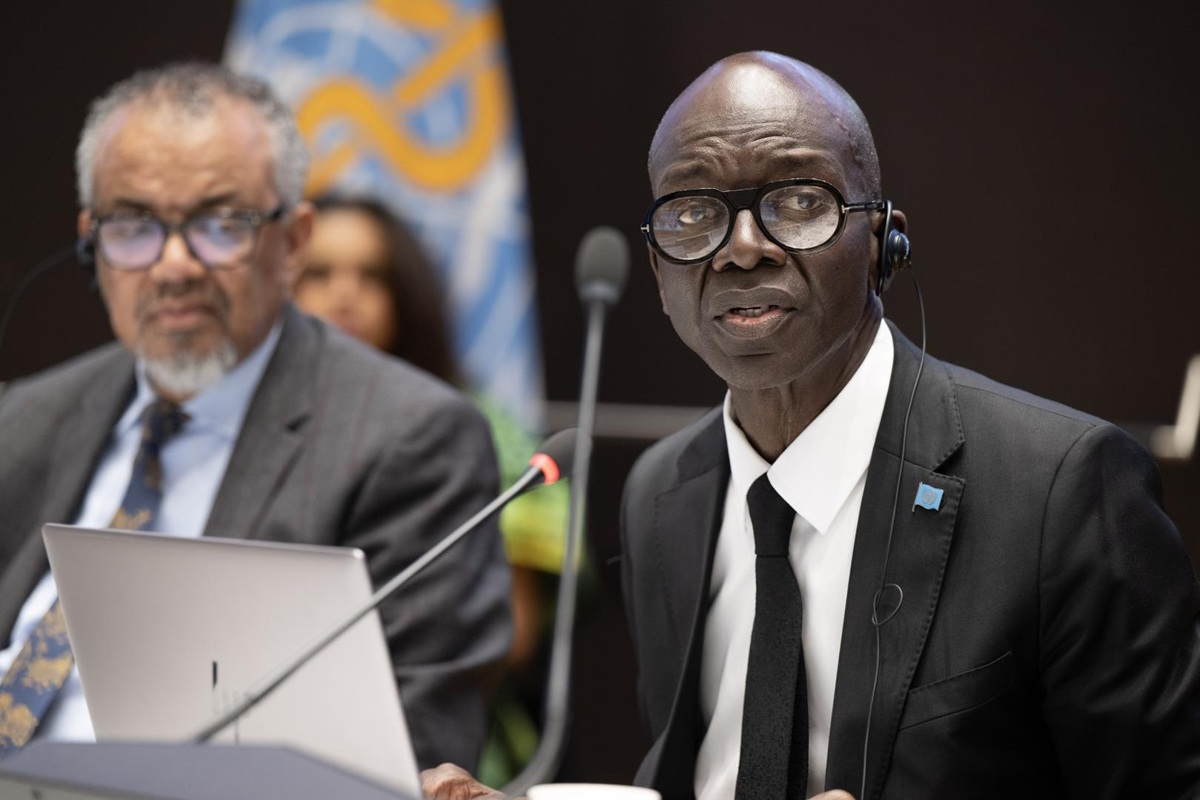
According to Dr Peter Mukasa, technical specialist for sexual and reproductive health and rights at the United Nations Population Fund (UNFPA), many young women develop fistula after becoming pregnant too early.
“There are three things we need to do to end fistula. One of them is ensuring that girls stay in school,” he said.
“If girls remain in school up to university, the chances of developing fistula become very low.”
Mukasa said proper monitoring of labour is also critical.
“When a woman arrives at a health facility there must be proper monitoring so that obstructed labour is identified early,” he said.
“The primary cause of fistula is obstruction of the baby in the pelvis. If we prevent that obstruction, we can prevent many cases.”
He said treatment is equally important for women already living with the condition.
“That is why we support the Government of Zimbabwe through fistula repair camps in hospitals such as Gweru, Chinhoyi and United Bulawayo Hospitals to clear the backlog of cases.”
National Fistula Coordinator in the Ministry of Health and Child Care, Dr Chipo Chimamise, said the programme has restored dignity to hundreds of women since it began in 2015.
For the current camp, she said 85 women contacted the programme through the toll free number 0808 0231.
“An obstetric fistula is a hole that develops between the birth canal and the bladder or rectum, leading to uncontrollable leakage of urine or faeces,” she said.
Women living with fistula often face severe social isolation because the constant leakage and smell make everyday interactions difficult. Many withdraw from public life, stop attending church or community gatherings and in some cases are abandoned by partners or family members.
“It is a devastating condition that affects the physical, social and emotional wellbeing of women. In most cases it is caused by prolonged labour which could be prevented with proper maternity care,” she said.
Dr Chimamise said many women in remote areas still give birth at home or in church shrines, increasing the risk of complications.
She noted that more than a third of fistula cases in Zimbabwe involve adolescent girls, many of whom are victims of early marriage or sexual abuse.
Because the pelvis of young girls is not fully developed, they are more vulnerable to obstructed labour which can lead to tissue damage and fistula formation.
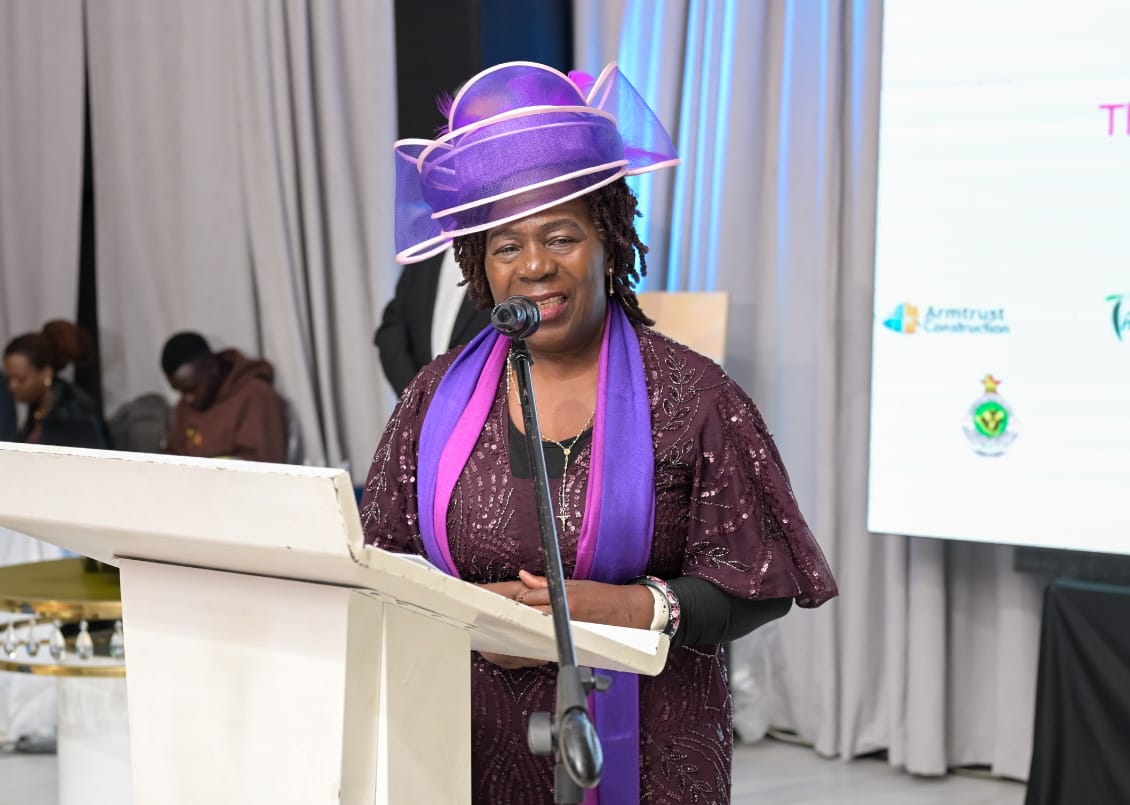
Midlands Provincial Medical Director Dr Mary Muchekeza said the fistula repair camp is a major step forward for the province.
“The first ever fistula camp in Midlands is very important because many women were previously referred to Bulawayo for treatment,” she said.
“Because of the distance and the cost involved, many ended up not accessing the service.”
She said women from areas such as Gokwe often struggled to travel long distances to seek care.
A single fistula repair surgery can cost between US$800 and US$3 000 depending on the institution.
Gweru Hospital specialist gynaecologist Dr Johannes Mukwembi said the team planned to carry out 45 operations during the camp.
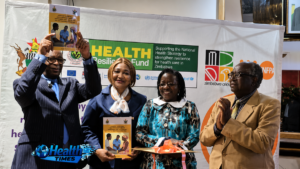
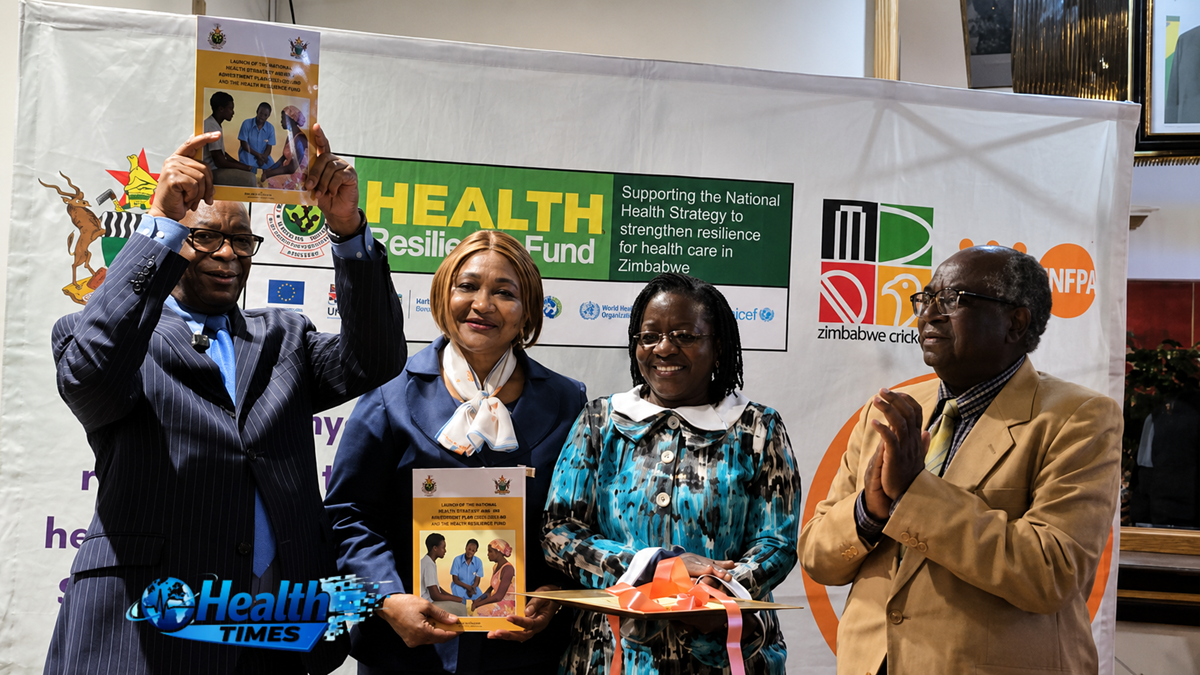
The camp was organised by the Ministry of Health with technical support from UNFPA through funding from the Health Resilience Fund (HRF).
For Ranga, the surgery means more than healing. It means reclaiming the confidence she lost as a teenager.
“Now I can move freely without fear,” she said. “I will dress well again and live my life. I will slay without shame.”