

By Michael Gwarisa
Amid growing donor fatigue and declining international support, Zimbabwe is pursuing a cost recovery framework for contraceptive commodities to ensure the sustainability and accessibility of reproductive health services.
Spearheaded by the Zimbabwe National Family Planning Council (ZNFPC), in collaboration with the Ministry of Health and Child Care (MoHCC) and other partners, this initiative aims to maintain progress in reproductive health despite diminishing external funding.
Like many nations dependent on donor contributions, Zimbabwe is seeking strategies to sustain its family planning programs. The proposed cost recovery framework intends to strike a balance between the costs of procuring, distributing, and managing contraceptive supplies while keeping these essential products affordable for the population.
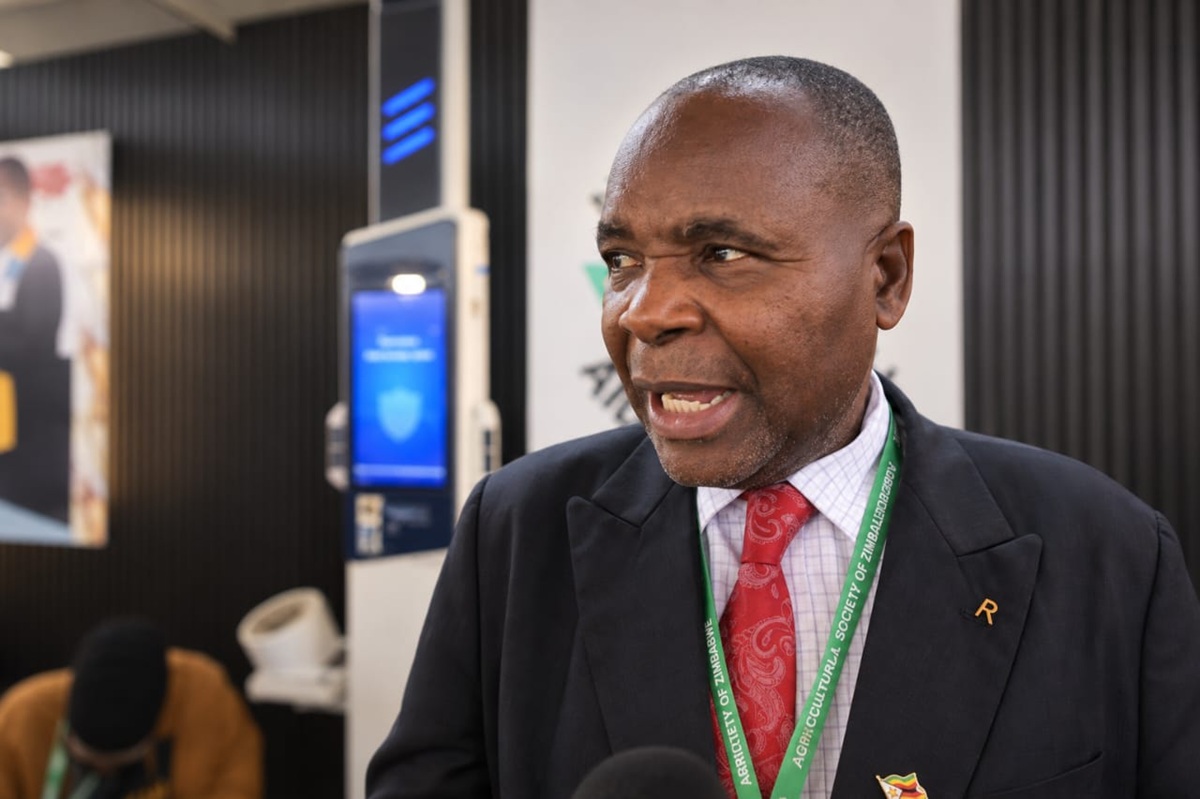
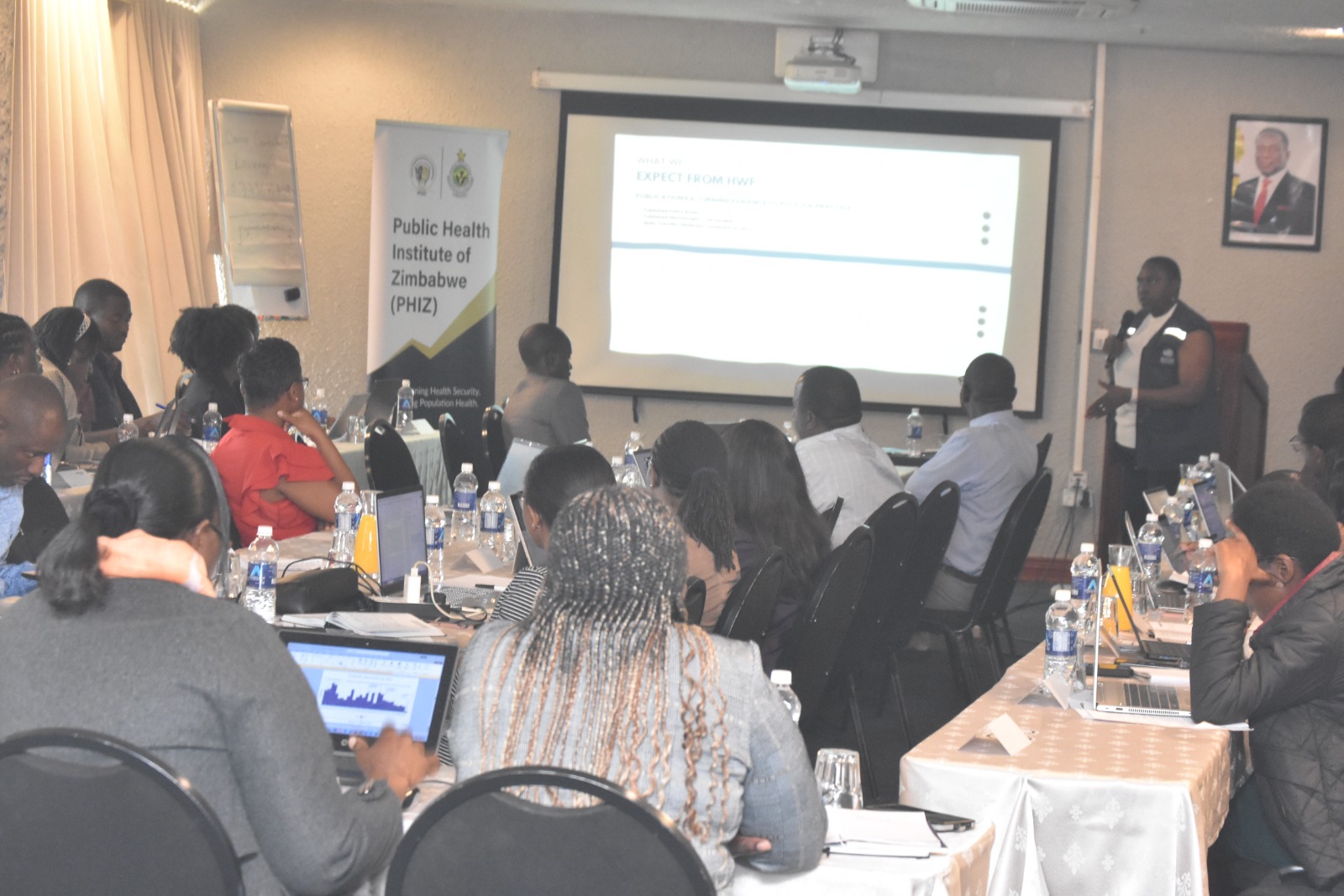
Speaking at a consultative workshop in Kadoma, ZNFPC Chief Executive Officer (CEO), Mr. Farai Machinga emphasized the importance of developing a sustainable financing model.
The development of a sustainable, efficient, and effective cost recovery framework for family planning gives us hope for the future of our programming,” said Machinga.
The framework will establish a pricing structure that reflects both the costs of provision and the economic realities of users. Its goal is to ensure continued access to contraceptives across different demographics while increasing domestic financing to reduce dependency on donor support.
“This approach is strategic in maintaining progress on key reproductive health indicators,” Machinga added. “Family planning is a crucial pillar that empowers individuals, communities, and the nation. It also contributes to the reduction of maternal and childhood mortality rates, among other health benefits.”
He cautioned that setbacks in family planning would have ripple effects on other health programs, including HIV prevention, reduction of sexually transmitted infections (STIs), and the prevalence of modern contraceptive use. “It is vital to establish sustainable cost recovery programs to safeguard the progress we’ve made,” he said.
Currently, Zimbabwe relies heavily on donor funding to provide free contraceptives through organizations such as the United Nations Population Fund (UNFPA). Since 2018, USAID has been the sole provider of condoms, but a 40% reduction in funding since 2021 has jeopardized efforts to prevent infections and unintended pregnancies. Other contraceptives are funded through the multi-donor Health Resilience Fund (HRF) and the UNFPA Supplies Program.
However, there have been strides toward domestic financing. In 2023, the Government of Zimbabwe procured $1.5 million worth of contraceptives, which unlocked an additional $1.5 million in matched funding from the UNFPA Global Supplies Partnership under the “Compact of Commitment” initiative. This collaboration highlights a shift toward shared responsibility in funding family planning programs.
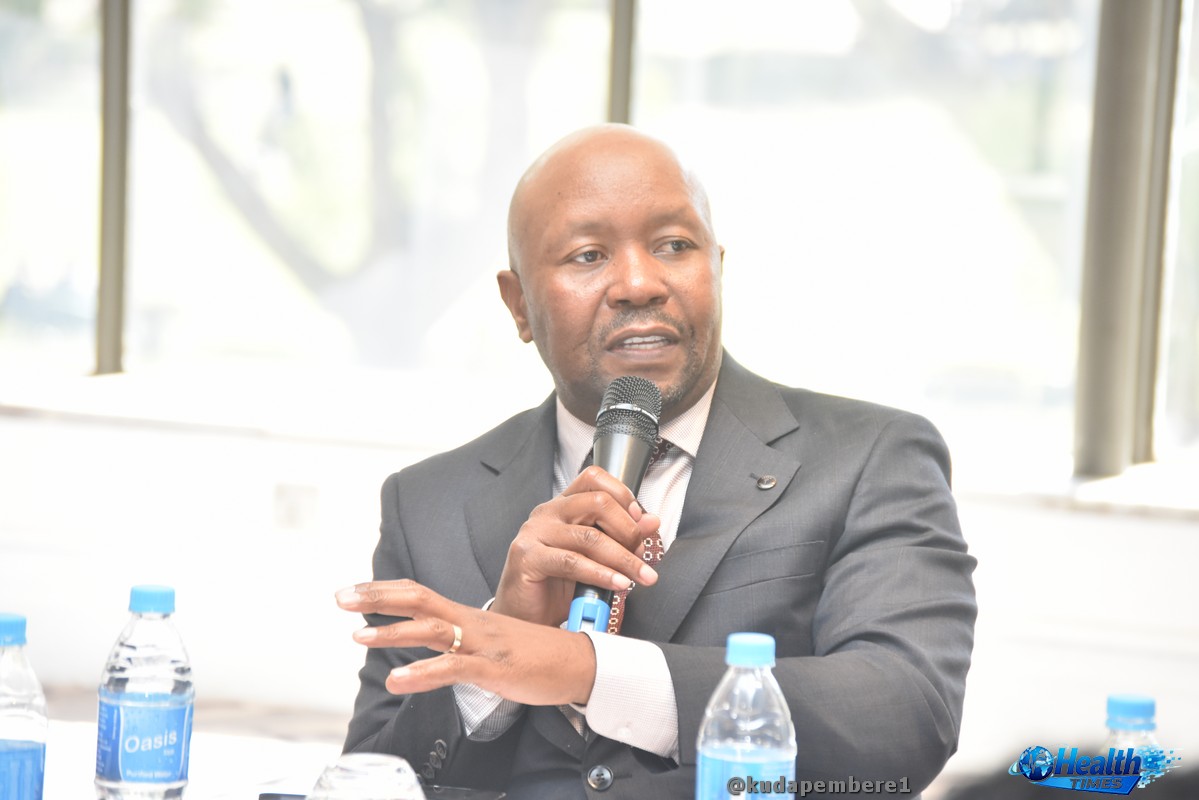
Health Economist, Mr Chengetedzai Gota, from the Ministry of Health and Child Care’s Policy and Planning Department, reiterated the government’s dedication to funding family planning.
“The government has committed to funding a portion of contraceptive needs through the national budget, working in partnership with international donors,” said Mr. Gota.
“The National Family Planning Strategy advocates for allocating more resources to reduce reliance on external funding.”
Zimbabwe has also signed various international, regional, and domestic agreements aimed at bolstering family planning financing. These include:
- The United Nations Sustainable Development Goals (SDGs)
- The Beijing Platform for Action and the Convention on the Elimination of All Forms of Discrimination Against Women
- The African Union’s Policy Framework for Sexual and Reproductive Health (2015)
- The Maputo Plan of Action (2007)
- The East African Community’s Sexual and Reproductive Health Policy (2015)
Locally, the National Family Planning Strategy calls for increased budget allocations to maternal, newborn, and child health, as well as sexual and reproductive health services, including family planning and HIV prevention. The Health Financing Strategy (2016–2025) advocates for robust domestic funding mechanisms and prioritizing SRHR within broader health financing efforts. The Public Health Act of 2018 further underscores the need for domestic resource allocation to public health priorities, including reproductive health.
Globally, funding for family planning and reproductive health programs has been shrinking due to economic pressures, competing priorities, and donor fatigue. The COVID-19 pandemic exacerbated the situation, diverting resources away from long-term health programs to address immediate public health emergencies.
Traditional donors, such as the United States and European Union, have scaled back commitments in favor of other global health priorities. Additionally, economic downturns in donor countries have led to tightened budgets, reducing contributions to family planning programs in low- and middle-income countries.