By Michael Gwarisa
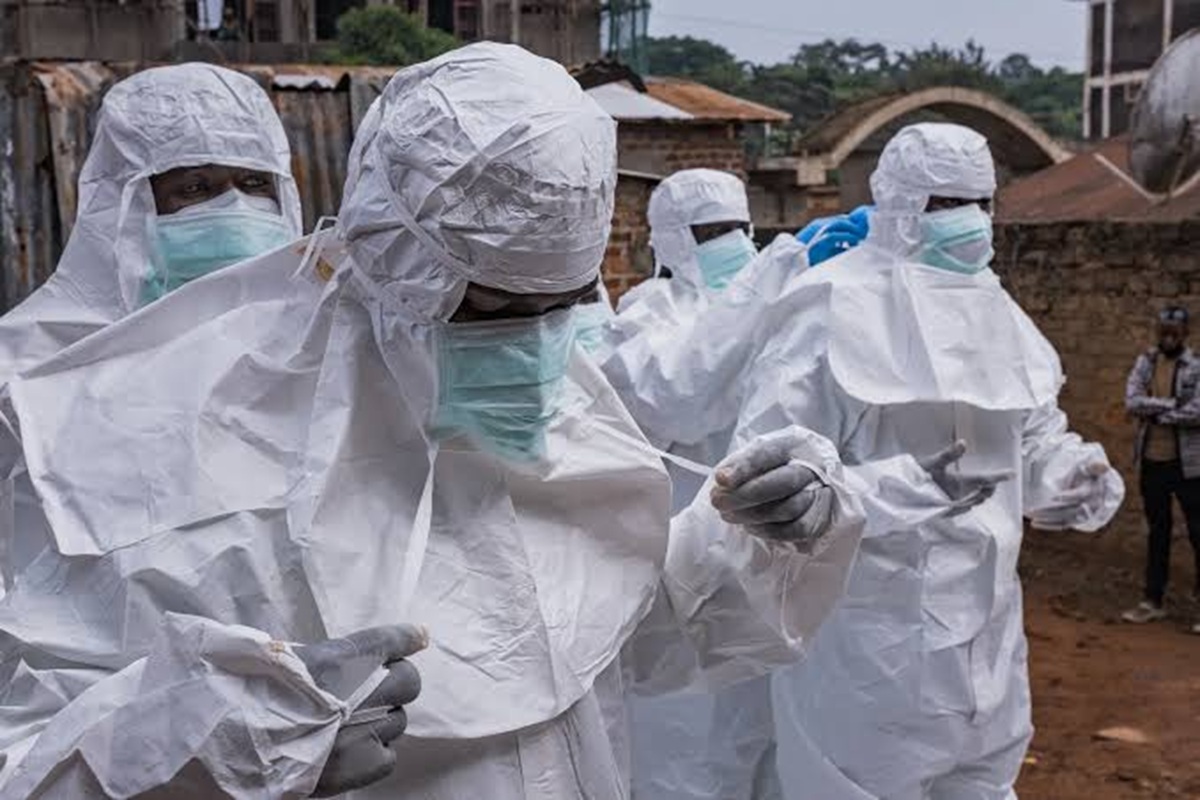
Africa is facing a critical shortfall in Mpox vaccine supply, with only 219,000 doses available out of the 6.4 million needed by August 2025 — a gap of more than 95%, according to the Africa Centres for Disease Control and Prevention (Africa CDC).
Despite the World Health Organization (WHO) declaring Mpox a Public Health Emergency of International Concern in 2022, vaccine access across the continent remains alarmingly low, raising concerns of a repeat of the COVID-19 vaccine inequity crisis.
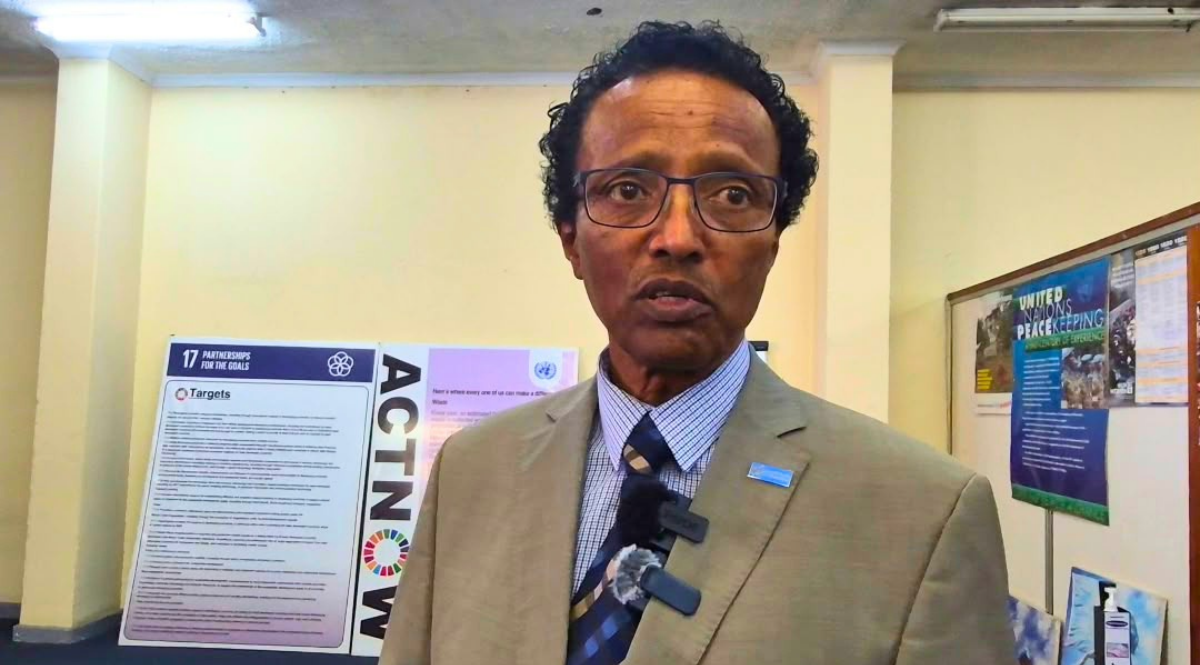
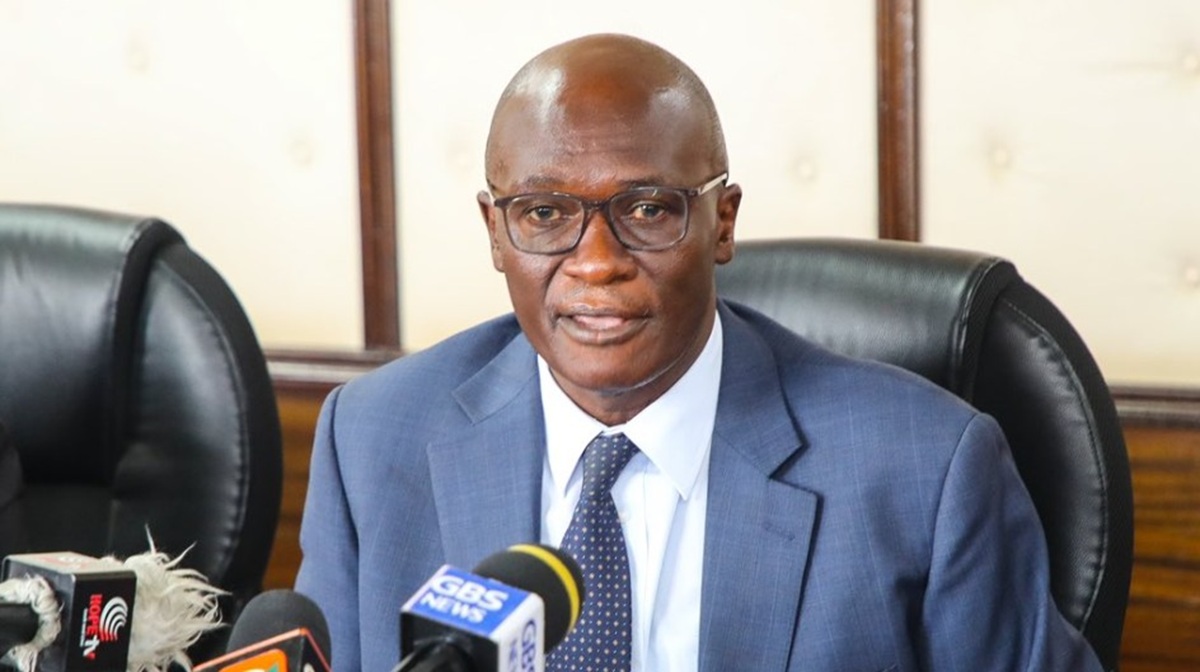
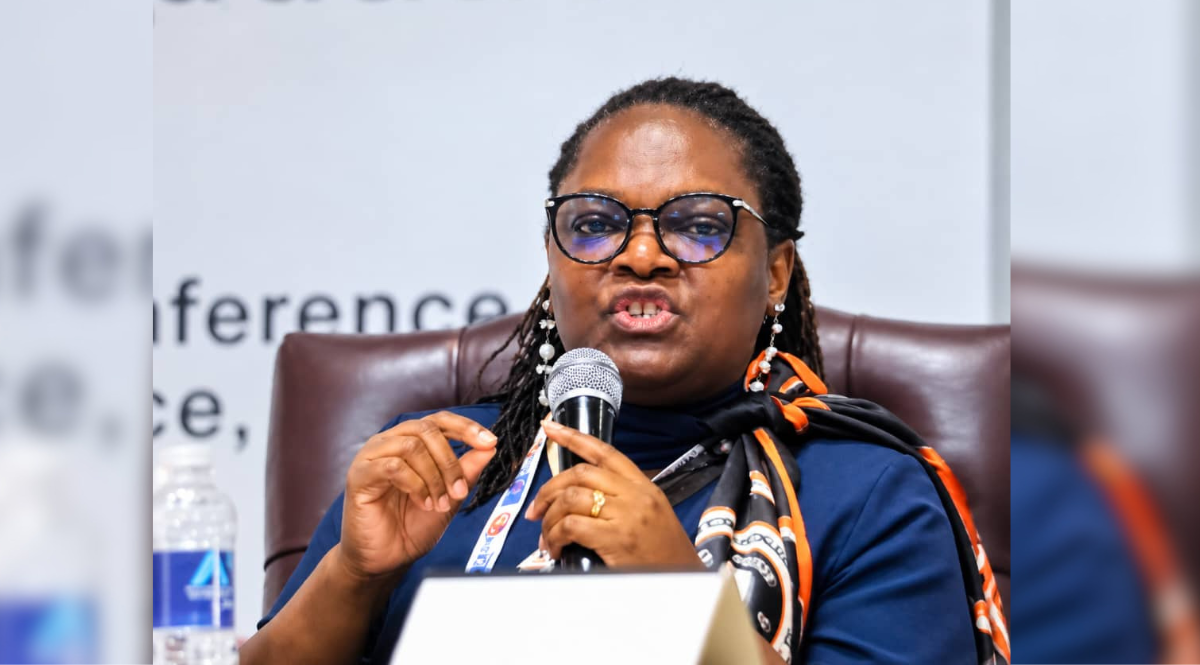
Dr. Ngashi Ngongo, Chief Advisor to the Africa CDC Director General and head of the Mpox Incident Management Support Team, said most of the doses received so far were in-kind donations from Western governments, but many remain unusable due to regulatory delays.
Even the 219,000 doses from the U.S. government are still awaiting authorization to be deployed,” said Dr. Ngongo. “We are ready, but we are being held back by bureaucracy and funding limitations.”
Only 11 African countries have received Mpox vaccines to date, with seven having commenced rollouts. The Democratic Republic of Congo (DRC) leads the continent’s response, accounting for 80% of all doses administered so far.
The DRC is expected to receive an additional 1.5 million doses of the LC16 vaccine from Japan and 100,000 MVA doses from France this week to bolster its vaccination drive.
Each dose of the Mpox vaccine costs around US$65 — a prohibitive price for many African governments already burdened by multiple health emergencies, including cholera. The Africa CDC has no dedicated funds to procure vaccines and relies on pledges and partnerships with organizations such as UNICEF, Gavi, and national governments.
Efforts to secure long-term solutions are underway, with Africa CDC in talks with vaccine manufacturer Bavarian Nordic for possible technology transfer to enable local production in Africa. However, Dr. Ngongo warned that the continent needs immediate support.
“Technology transfer is a long-term goal. Right now, we need urgent international solidarity to close this massive vaccine gap,” he said.
Africa CDC is also developing a continent-wide response plan for the 16 affected countries, moving away from fragmented national responses toward a coordinated approach. The strategy combines vaccination with robust surveillance, infection prevention and control (IPC), and community engagement.
“We are shifting to a continental action plan that channels technical, human, and financial resources where they are needed most — including countries like South Sudan, Angola, and Sudan,” said Dr. Ngongo.