
By Michael Gwarisa
Zimbabwe has earned international praise for its HIV response, with the latest UNAIDS Global AIDS Update 2025 placing the country among a select group on track to meet the ambitious 2030 target of ending AIDS as a public health threat. However, health authorities at home have issued a stark warning: the next five years could undo years of progress if urgent action is not taken to counter recent funding setbacks.
According to UNAIDS, Zimbabwe is one of only seven countries in Eastern and Southern Africa to have reached the 95-95-95 treatment targets by 2024. These targets require that 95% of people living with HIV know their status, 95% of those diagnosed are receiving antiretroviral therapy (ART), and 95% of those on treatment achieve viral suppression.
The country’s achievement is built on five years of intensive work from 2020 to 2024, characterized by expanded HIV testing, person-centred care models, and innovations such as multi-month ART refills, which reduced patient loads at health facilities and improved retention.
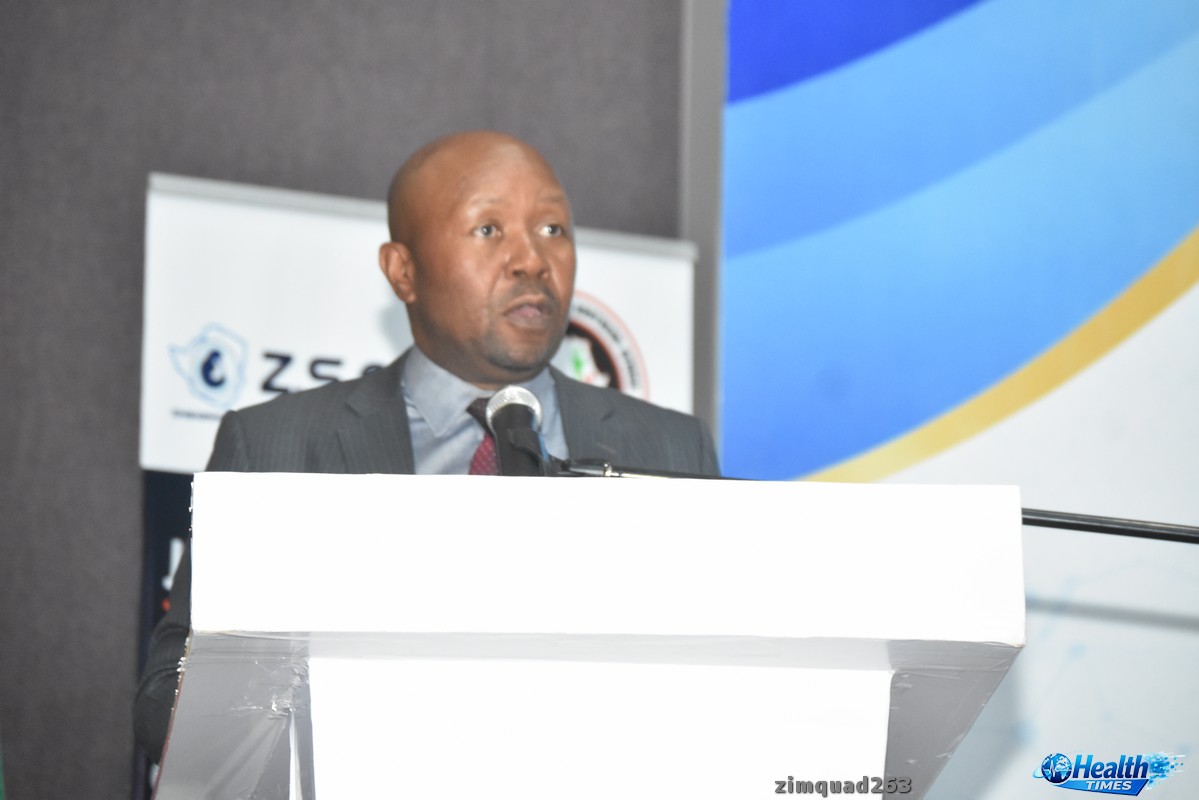
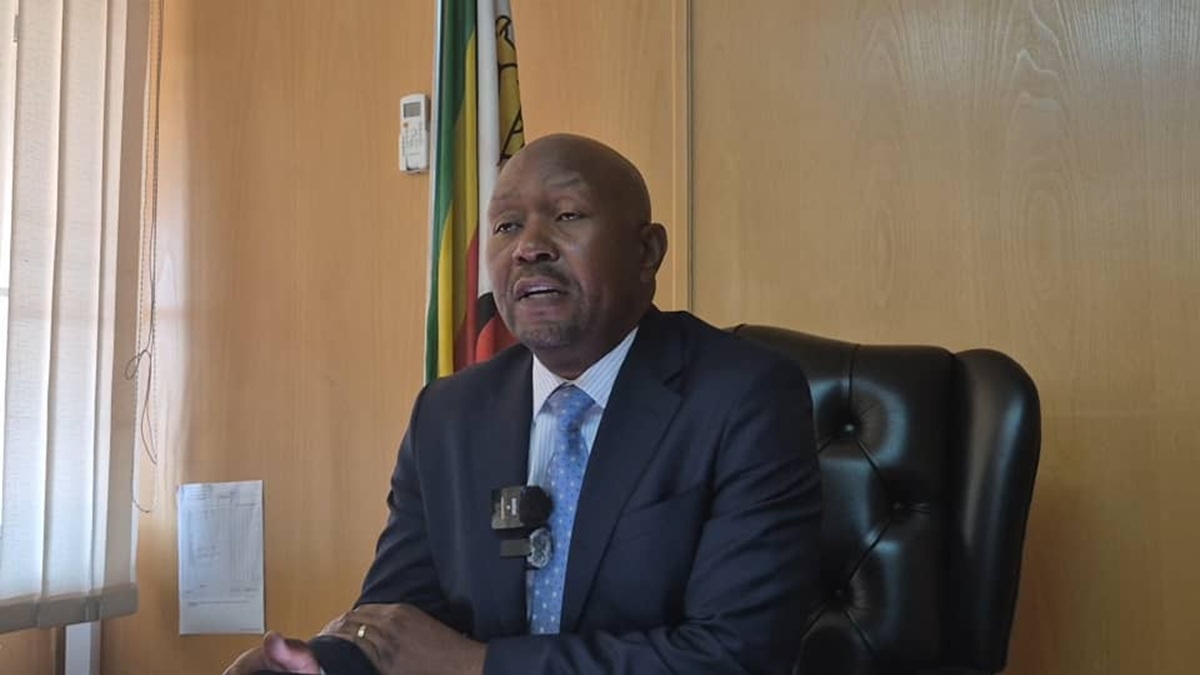
Dr Bernard Madzima, Chief Executive Officer of the National AIDS Council (NAC), welcomed the UNAIDS recognition, saying the results reflect a strategic, long-term investment in HIV care. However, he cautioned that the achievement could be short-lived if urgent steps are not taken to address looming challenges.
The UNAIDS, they are right, we are one of the countries which have achieved the 95-95-95 targets despite the cuts. But you have to understand that the cuts happened this year, but these targets were achieved over a period of five years, from 2020 to 2024. Our worry is that with the funding cuts now, we might suffer a sort of reversal of our gains over the next few years.”
“We were supposed to keep the momentum up to 2030 when we aim to have zero new infections, zero stigma, and zero HIV-related deaths. The funding cuts are not reflected by the results which we have now, where they just happened. Our worry is that in the next five years, we hope that we don’t have a reversal of the positive trends which have happened.”
“So at the moment we are celebrating, yes, but we have not reached the target of 2030. So yeah, UNAIDS, they are right, but we can’t remove our foot off the pedal. We have to keep pushing so that we get to the 2030 targets, where HIV is no longer a public health threat.”
In 2025, Zimbabwe’s HIV response suffered a significant blow following abrupt cuts to international donor funding, particularly from the U.S. President’s Emergency Plan for AIDS Relief (PEPFAR). These reductions have disrupted HIV prevention programs, essential medical supply chains, and community-led interventions that have formed the backbone of the national response for years.
While Zimbabwe has achieved commendable milestones, challenges remain. Men living with HIV are still less likely than women to access treatment or achieve viral suppression—73% of men on ART compared to 83% of women, and 69% achieving viral suppression compared to 79% for women. This gender gap highlights the need for tailored interventions that specifically target men.
At the same time, key populations such as sex workers, men who have sex with men, and people who inject drugs continue to face significant stigma and legal barriers. These groups account for 25% of new infections in sub-Saharan Africa and often experience difficulty accessing lifesaving services.
Zimbabwe has also seen a persistent problem with late presentation. One in four people initiating treatment still present with advanced HIV, often due to late diagnosis or previous treatment interruptions.
Despite these concerns, Zimbabwe’s record on reducing HIV incidence and mortality remains impressive. Since 2010, new infections in sub-Saharan Africa have declined by 56%, with Zimbabwe leading the trend. AIDS-related deaths have dropped by 54% globally, thanks in part to robust ART rollout and improved viral load monitoring in countries like Zimbabwe.
Progress has also been made in preventing mother-to-child transmission of HIV. Pediatric infections have fallen significantly, contributing to a global 62% drop in vertical transmission since 2010.
Dr Madzima emphasized that Zimbabwe must now focus on building domestic funding mechanisms and community-driven responses to sustain momentum and buffer against external shocks.
To maintain progress, Zimbabwe must expand differentiated services that cater to the unique needs of men, adolescents, and marginalized populations. The country also needs to leverage innovative technologies such as HIV self-testing and long-acting injectable PrEP, which can enhance early diagnosis and prevention. In addition, addressing stigma, discriminatory laws, and gender inequality remains critical to ensuring equitable access to HIV services.
UNAIDS has warned that the current funding crisis could result in 6 million new infections globally by 2029 if corrective measures are not implemented. For Zimbabwe, a country that has emerged as a model of HIV control, that scenario would be particularly devastating.