Michael Gwarisa
Southern African countries are being urged to strengthen cross-border cooperation as the region faces growing cholera threats. Fragile health systems, combined with recurrent natural disasters such as cyclones and floods, are exposing communities to heightened vulnerabilities, making coordinated action more critical than ever.
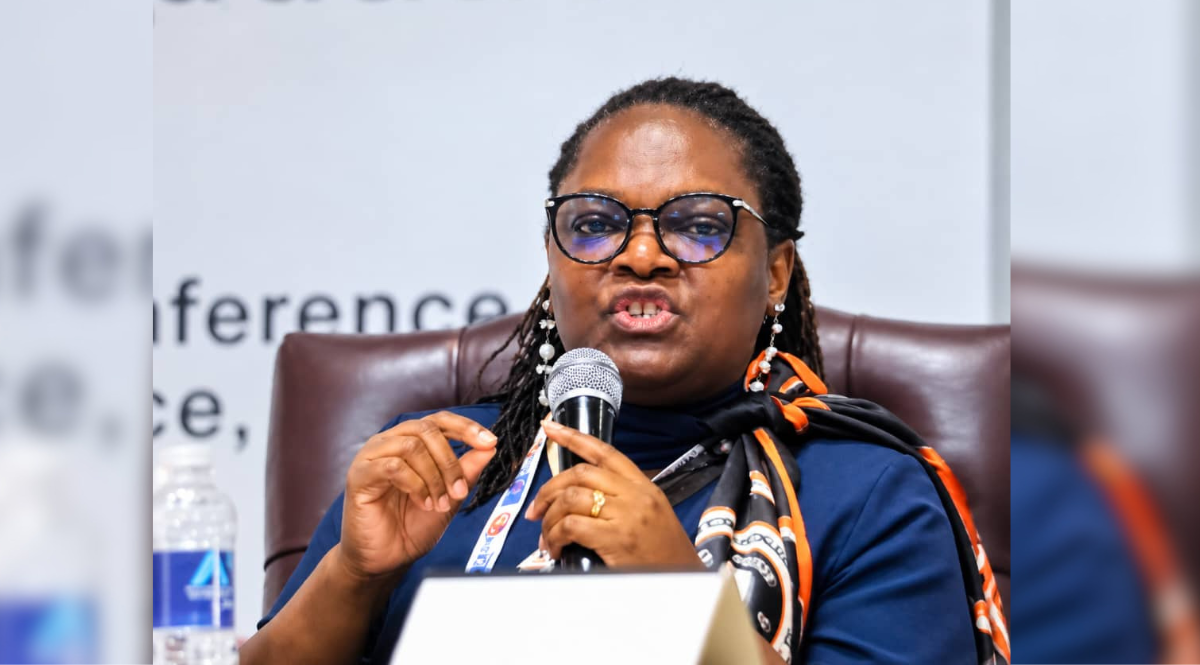
Speaking during the weekly Africa CDC Virtual Press Briefing, Professor Yap Boum, Africa CDC Deputy Incident Manager, said countries neighboring endemic regions in Mozambique and the Democratic Republic of Congo (DRC) were at high risk of cholera spillovers.
“The approach that needs to be taken at a regional level is strong cross-border coordination. Countries such as Burundi and Somalia have seen declines, while others like Angola remain part of the hybrid risk group together with DRC and Mozambique,” he said.
Professor Boum added that countries including Zambia, Malawi, and other neighbors were at high risk of importing infections from affected regions.
“When we look at the evolution of cholera in different countries, we see that DRC and Mozambique continue to report increasing cases, with 46% in DRC and 14% in Mozambique,” he said.
The DRC remains a major challenge, with data showing 76,000 cases and more than 2,000 deaths, a case fatality ratio of 2.6%. “While efforts aim to reduce this to 1%, we are still far from that goal. Twenty-one out of 26 provinces remain affected,” Professor Boum added.
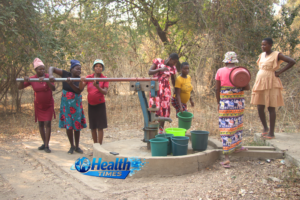
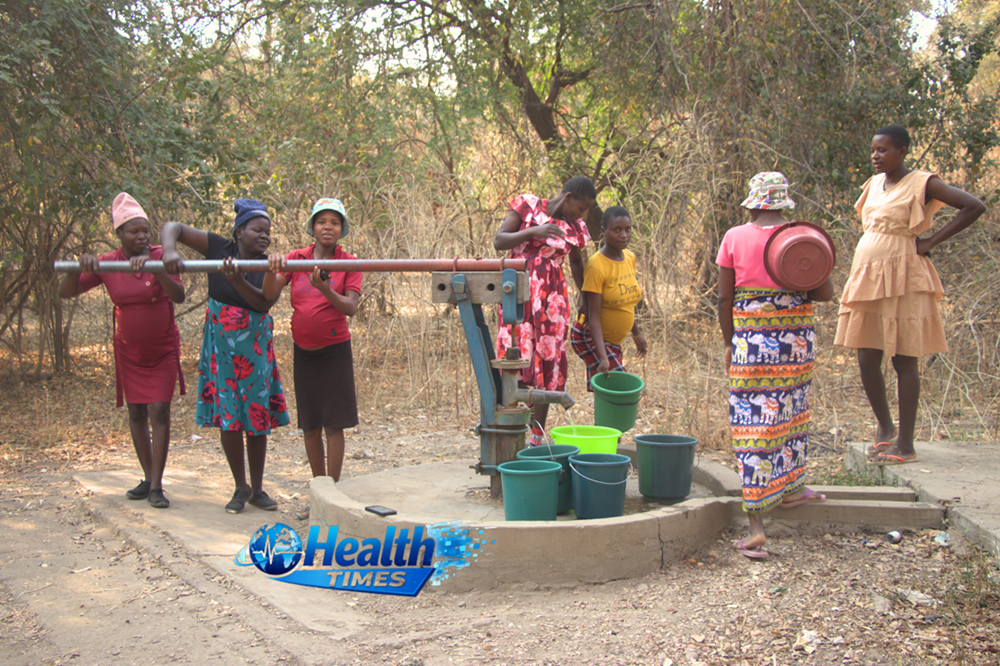
He noted that weak access to water, sanitation, and hygienhttps://healthtimes.co.zw/2026/01/24/heavy-rains-trigger-cholera-alert-in-zimbabwe/e infrastructure, combined with climate challenges, complicates the situation in these countries.
In Zimbabwe, the Ministry of Health and Child Care issued a cholera public health alert amid concerns that heavy rains and flash flooding could trigger a new wave of infections.
Meanwhile, Angola has recorded a reduction in cases, though the 2.5% case fatality ratio remains higher than the expected 1%. Of the 36,000 cases, 898 have been fatal. Approximately 44% of Angola’s population lacks access to safe drinking water, and only 55% have adequate sanitation.
Professor Boum emphasized the importance of planning for water access in cholera-endemic regions.