Michael Gwarisa
At a time when health misinformation spreads faster than facts, a Zimbabwean pharmacist is taking an ambitious step to reclaim the narrative, one book at a time.
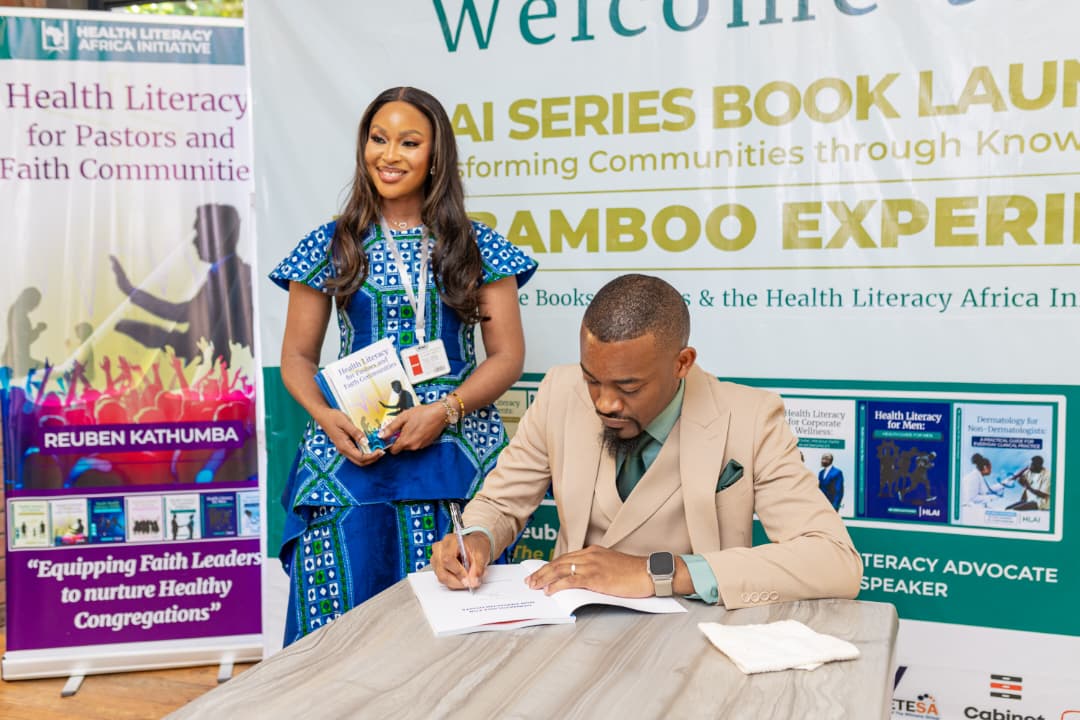
In a bold effort to bridge the health information gap across Zimbabwe and the broader African region, pharmacist Reuben Katumba has launched a series of seven books aimed at improving health literacy among different segments of society. The launch, which also marked the unveiling of the Health Literacy Africa Initiative (HLAI), brought together stakeholders from across the health sector, faith communities, and civil society.
The books arrive at a critical moment when digital platforms, while expanding access to information, have also amplified misinformation, myths, and dangerous health practices. From misused medications to viral “miracle cures,” the consequences of poor health literacy are increasingly visible.
Katumba says the project was born out of both frustration and responsibility.
“People have more access to information than ever before, but much of it is misleading or poorly understood,” he said. “As a pharmacist, I felt compelled not just to correct misinformation, but to equip people with the tools to interpret health information for themselves.”
Rather than producing a single, general guide, Katumba developed a targeted approach. Each book speaks to a specific audience, addressing real-life questions and challenges faced by that group.
His inspiration, he explains, is rooted both in his professional experience and personal upbringing.
“Growing up as the son of a clergyman, I was always encouraged to question and seek deeper understanding,” he noted. “That mindset carried into my work, where I kept seeing the same gaps in how people understand their health.”
Over time, he noticed a pattern. Answering one health question often led to many more.
“You answer one question, and it opens the door to ten more,” he said. “And those questions are different depending on gender, age, and social roles.”
He also acknowledges the double-edged nature of modern technology.
“Tools like Google and AI have made health information more accessible, but without proper context, they can also be dangerous,” Katumba warned.
To ensure accuracy, he collaborated with a wide range of professionals, including medical doctors, dermatologists, nutritionists, therapists, and skincare specialists.
Breaking Down the Seven Books
The series reflects a comprehensive, life-stage approach to health literacy.
Health Literacy for Parents focuses on empowering caregivers with accurate, practical knowledge.
“Parenting comes with immense responsibility, yet there is very little formal preparation,” Katumba said. “If parents are well-informed, they can guide their children before misinformation reaches them.”
Closely linked is The Family Wellness Handbook, which draws from generational knowledge and lived experiences, highlighting how families can build sustainable health practices by blending tradition and modern science.
Health Literacy for Men tackles issues often ignored due to cultural norms.
“Men often focus on appearing strong on the outside while neglecting what is happening internally,” he said. “That mindset is costing lives.”
Faith and health intersect in Health Literacy for Pastors and Faith Communities, which addresses the growing concern of religious misinformation.
“There are cases where people are told to stop taking medication after prayer, and the consequences can be fatal,” Katumba said. “Faith and medicine are not in conflict—they can work together.”
Young people are the focus of the Youth Health Literacy Guide, which recognises the pressures of growing up in a hyper-digital world.
“Today’s youth are exposed to overwhelming amounts of information, not all of it helpful,” he noted. “They need guidance from families, schools, and health professionals.”
For women, Health Literacy for Women addresses widespread misinformation around reproductive health and general wellbeing.
“Too many women rely on inaccurate online advice, which leads to confusion and sometimes harmful decisions,” he said.
In the workplace, Health Literacy for Corporate Wellness speaks to both employers and employees.
“Workplaces have a role to play in promoting proper medication use and preventive health practices,” Katumba explained.
Finally, Dermatology for Non-Dermatologists draws from his academic background in clinical dermatology.
“Incorrect prescriptions in dermatology are common, and they often make conditions worse instead of better,” he said.
Men’s Health Literacy
This book stands out for confronting one of the most persistent gaps in healthcare, men’s reluctance to seek help.
“We need to normalise men seeking medical attention early, rather than waiting until it is too late,” Katumba emphasised.
Health Literacy Africa Initiative: A Broader Vision
Beyond the books, the Health Literacy Africa Initiative represents a larger movement aimed at transforming how communities engage with health information.
Founded in Zimbabwe, HLAI emerged from years of observing preventable disease progression.
“In many cases, better understanding could have changed the outcome,” Katumba said.
The initiative recognises that the problem is not simply a lack of information, but the overwhelming presence of unfiltered, poorly contextualised content.
It seeks to address this by promoting practical, culturally relevant health education across communities.
“Health literacy is about empowerment,” he said. “It’s about helping people understand medication, recognise side effects, and know when to seek help.”
HLAI also targets systemic issues such as medication misuse, including self-medication, sharing prescriptions, and antibiotic abuse—practices that contribute to antimicrobial resistance.
In addition, it addresses emerging challenges such as unsafe cosmetic practices driven by social media trends.
“We are seeing dangerous skin practices because of misinformation online,” Katumba noted. “Education tailored to African contexts is critical.”
Substance misuse prevention is another key pillar, with an emphasis on early education and community awareness rather than reactive treatment.
Ultimately, the books and the initiative are designed to work hand in hand, providing both knowledge and a platform for sustained engagement.
Katumba’s work signals a shift from simply providing information to building true understanding.