
Michael Gwarisa
With critical negotiations set to resume, countries in the Global South are ramping up pressure on the World Health Organization and the European Union to resolve a key gap in the Pandemic Agreement, the equitable sharing of vaccines, technologies and scientific benefits. The agreement, adopted in 2025 by the World Health Assembly following the inequities exposed during COVID-19, remains incomplete without agreement on the Pathogen Access and Benefit Sharing (PABS) Annex.
The annex is designed to ensure that countries contributing pathogen samples and data also benefit from the vaccines, diagnostics and treatments developed from them. However, progress has stalled, with the EU and other high-income countries including Switzerland, Japan, Australia, the United States, United Kingdom and Canada accused of resisting binding equity provisions. Negotiations have now been extended, with a final round scheduled from 27 April to 1 May 2026 ahead of the agreement’s expected consideration at the World Health Assembly.
Global South countries argue the delays reflect long-standing imbalances in global health, where they share critical data in good faith but struggle to access resulting medical products. Advocacy groups such as the AIDS Healthcare Foundation warn that without a strong and enforceable PABS Annex, the agreement risks being weakened or delayed at the ratification stage.
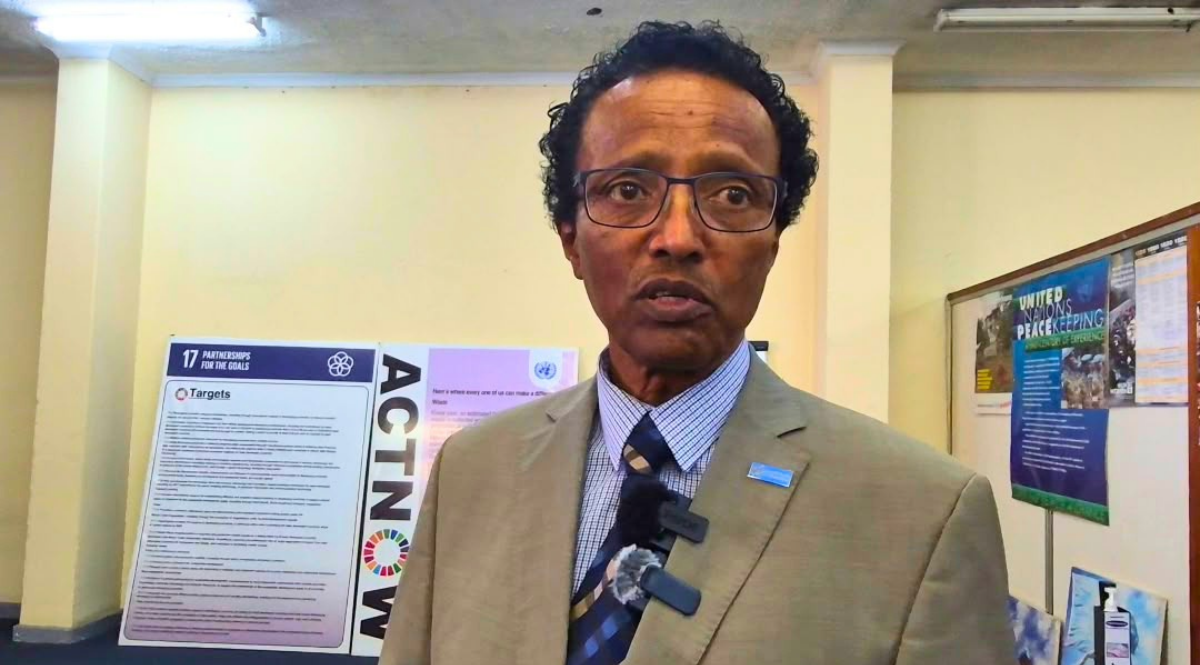
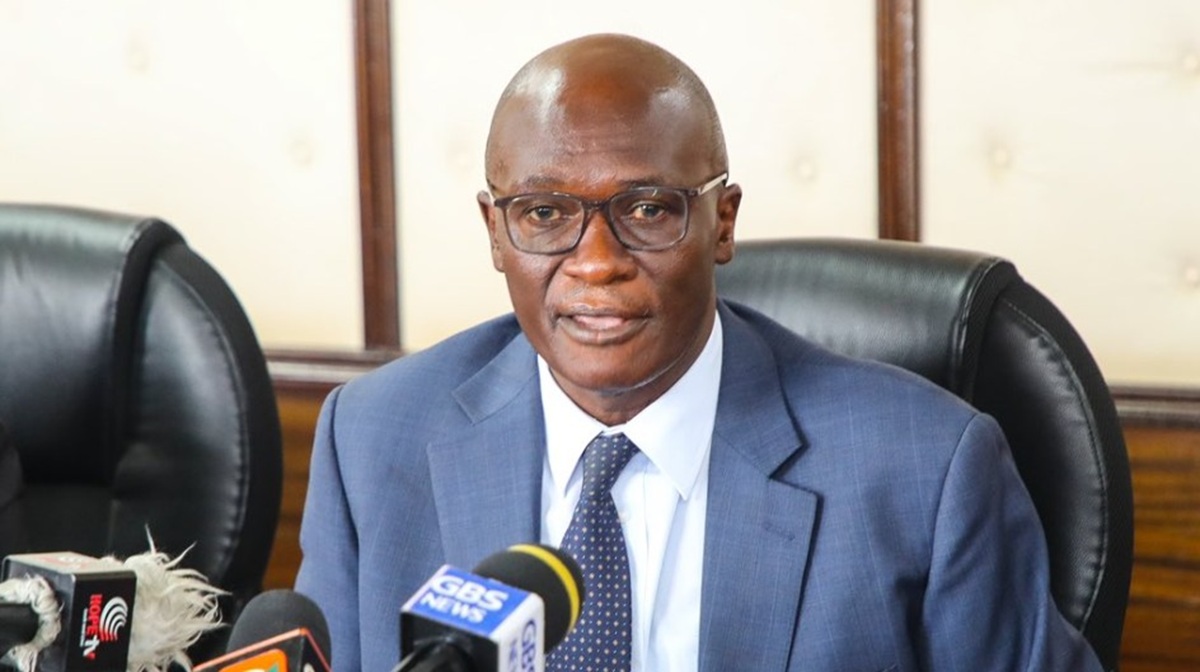
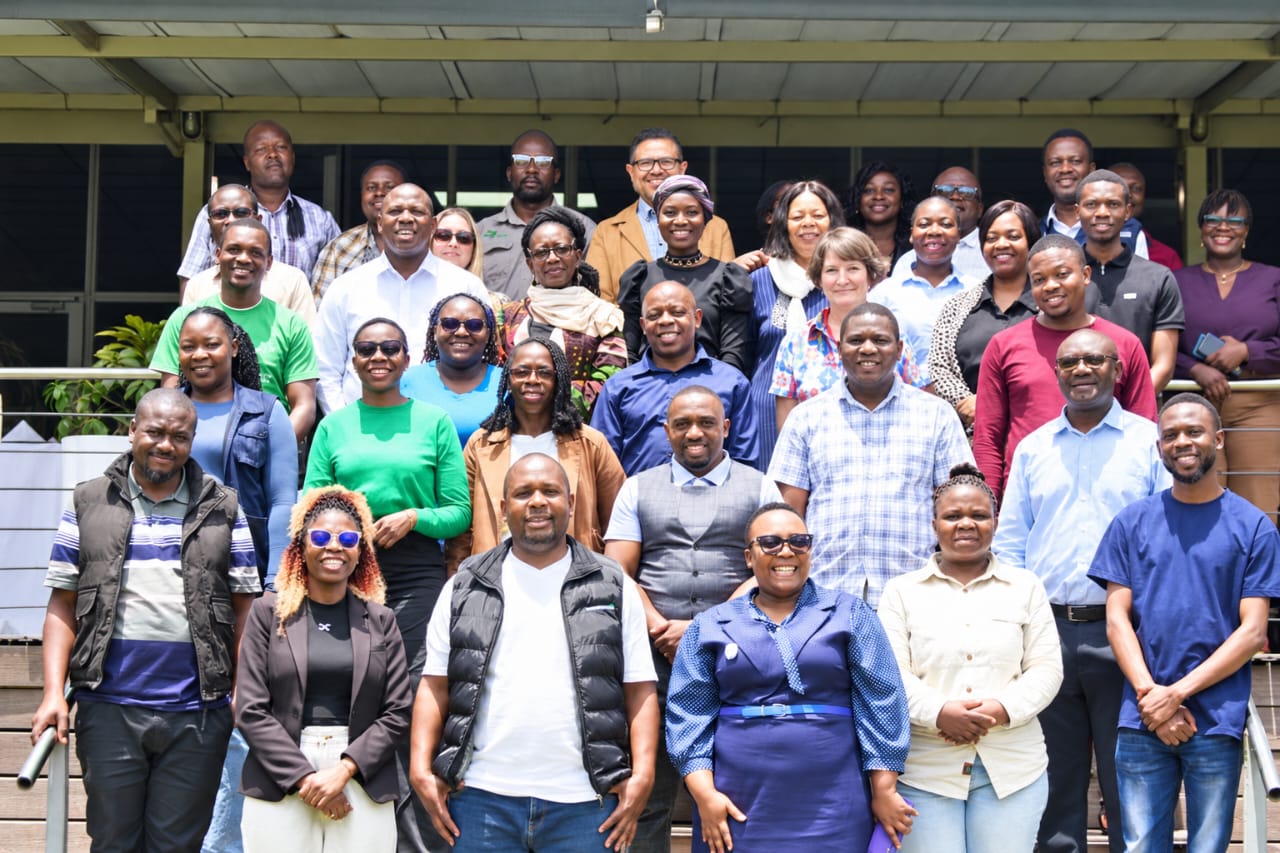
Briefing journalists in Harare, AHF Prevention Program Manager, Clever Taderera, said the upcoming talks will be decisive in determining whether the agreement delivers real equity.
“We expect positive things to happen. We really expect the World Health Assembly to produce a positive outcome,” said Taderera. “The fact that the ratification of the Pandemic Agreement was put on hold is a partial win for us, and we hope they will address the unjust issues we are raising.”
Taderera stressed that the agreement cannot move forward without the annex and warned against adopting a weak framework. He said benefit-sharing rules must be clearly defined and enforceable across pandemics, public health emergencies of international concern and even in periods between outbreaks.
“In the event that the agreement goes through without addressing these issues, it will be very unjust and unfair. Our position is to ensure the agreement is balanced for both the Global North and Global South,” he said.
He added that benefit sharing should not be left to last-minute negotiations between the WHO and pharmaceutical companies. Instead, countries must agree upfront on key obligations, including guaranteed allocations of vaccines, diagnostics and treatments, technology transfer to enable local production, annual financial contributions and open access to non-commercial research such as scientific data and publicly funded studies.
“The rules must be clear from the beginning. Everyone who benefits from the system must also contribute to it,” Taderera said.
A central demand from AHF is the adoption of standardised contracts governing the PABS system. These would ensure that all users are registered, their use of pathogen data is tracked and that commitments are enforceable. Without such safeguards, Taderera warned, the system risks collapsing into weak bilateral arrangements that disadvantage developing countries.
“If countries do not agree on key contract terms now, everything will be pushed into separate negotiations later, and that weakens fairness and accountability,” he said.
The organisation is also pushing for strict registration and traceability requirements for all users of the system, including pharmaceutical companies and researchers. According to Taderera, transparency is essential to ensure that those accessing shared data are held accountable.
He also rejected proposals for a hybrid system that would allow access to pathogen data without corresponding benefit-sharing obligations. Such an approach, he said, would create loopholes that undermine the entire framework.
“That is not a compromise. It is a way to avoid responsibility,” he said.
On intellectual property, AHF is calling for a public health approach that prevents monopolies on shared resources and ensures broader access to innovations. This includes provisions requiring companies to license products developed from shared data, particularly to support access in developing countries.
“Innovation should save lives, not limit access,” Taderera said.
AHF has identified the EU as a key power broker in the negotiations, urging it and allied countries to engage in good-faith discussions and drop opposition to binding equity measures. At the same time, the organisation has called on countries such as South Africa, Pakistan and Indonesia to maintain their push for fairness, while encouraging others including Zimbabwe to align firmly with equity-focused positions.
As negotiations enter their final phase, pressure is mounting on high-income countries to shift their stance. Health advocates warn that failure to secure a strong PABS Annex could repeat the inequalities seen during COVID-19, while a robust agreement could mark a turning point in global pandemic preparedness.
“The choice is between an accountable system and an unaccountable one,” Taderera said. “A strong PABS Annex is not symbolic. It will save lives.”