
Michael Gwarisa
The Africa Centres for Disease Control and Prevention says rising global condom prices should serve as a wake up call for African countries to scale up local manufacturing and reduce dependence on imports.
The warning follows a recent announcement by Karex, one of the world’s largest producers, of price increases of up to thirty percent, linked in part to geopolitical tensions in the Middle East. Health experts fear the move could undermine HIV prevention efforts across Africa.
Currently, less than one percent of the world’s condoms are produced on the continent. This limited capacity leaves countries exposed to global supply shocks and price volatility, with potential consequences including increases in sexually transmitted infections, HIV, and Human Papillomavirus.
Condom production in Africa remains concentrated in a few countries and falls far short of demand, despite the region carrying a disproportionate burden of HIV infections.
Responding to questions during a media briefing, Africa CDC Director of the Centre for Primary Health Care, Dr. Landry Tsague said the price surge highlights a critical vulnerability in Africa’s health systems.
“An increase in condom costs, especially at this scale, poses a serious threat to HIV prevention,” he said, noting that affordability remains central to access.
He said strengthening local manufacturing is now a top priority as Africa pushes for greater health security and sovereignty. The same approach, he added, is being applied to other essential commodities such as diagnostics and antiretroviral medicines.
Africa continues to record the highest number of new HIV infections globally, making prevention tools such as condoms essential. Tsague said the continent aims to significantly increase local production of health commodities by 2040, reducing reliance on imports.
While some manufacturing capacity exists, it remains limited and unevenly distributed. South Africa hosts some of the largest facilities, including plants at Dube TradePort with the capacity to produce hundreds of thousands of condoms daily for both domestic use and export.
Namibia and South Africa supply much of the Southern African Development Community, although production is largely focused on meeting internal demand. Smaller-scale operations exist in Botswana, while earlier plans in countries such as Kenya, Uganda, and Tanzania have yet to materialise at scale.
Demand across the Southern African region is estimated at more than four billion condoms annually, with ongoing shortages reported in several countries.
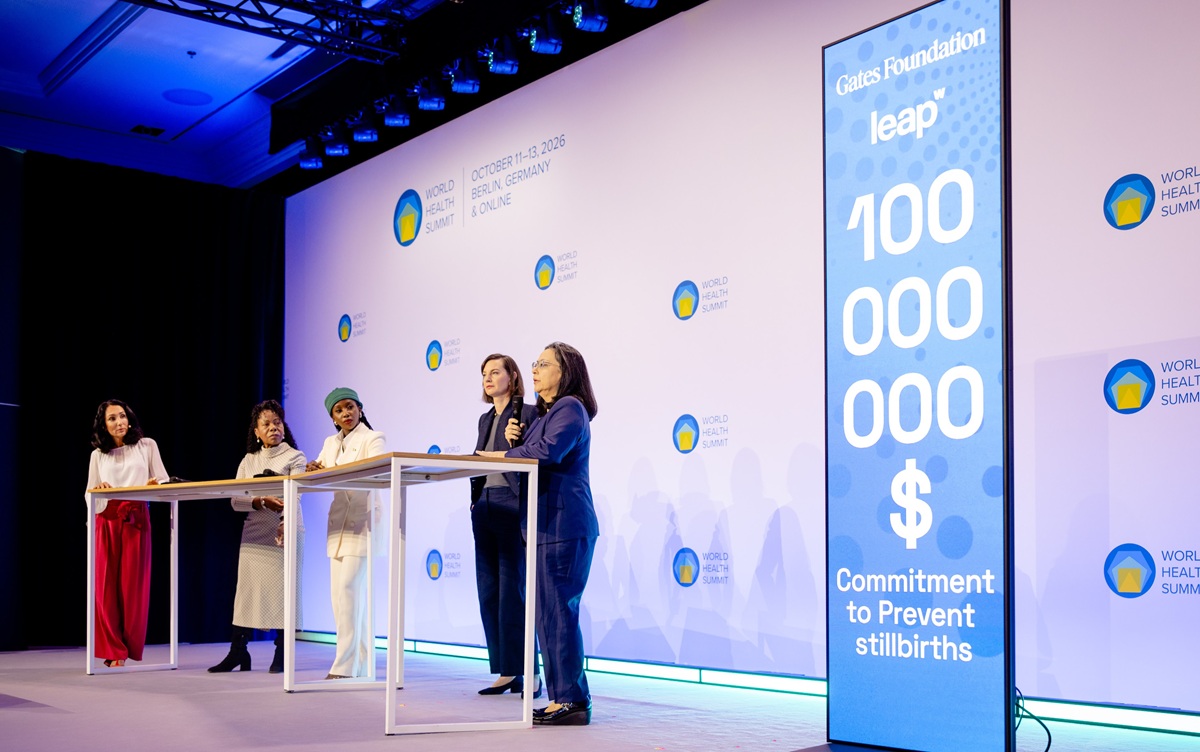
Professor Yap Boum said the issue will be among key topics at the upcoming World Health Summit in Nairobi, where leaders are expected to push for stronger commitments to local manufacturing.
He noted that the meeting provides an opportunity to reinforce the importance of producing essential health commodities within the continent, particularly as external funding declines.
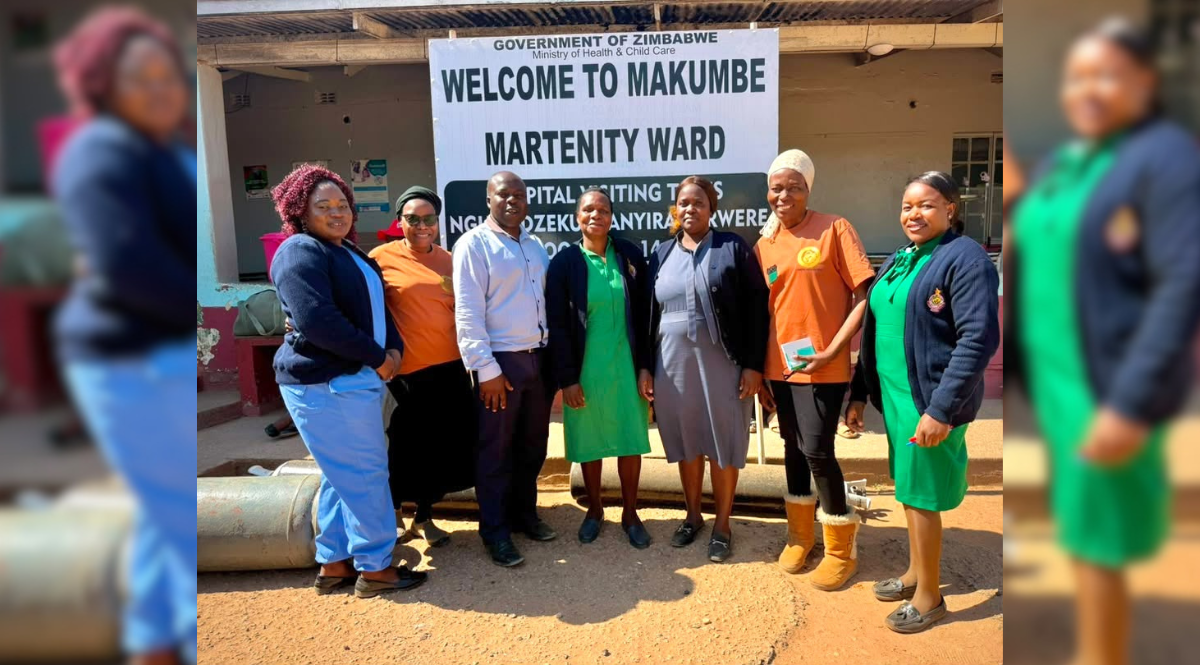
Countries such as Zimbabwe remain heavily reliant on donor support for condom supplies, even as funding continues to shrink. Zimbabwe spends an estimated fifteen million United States dollars annually on imports and has previously called for increased private sector investment in local production.
Regional strategies are now increasingly focused on building sustainable manufacturing systems for health products, in line with Africa CDC’s broader push to strengthen resilience and reduce exposure to global supply disruptions.