Michael Gwarisa
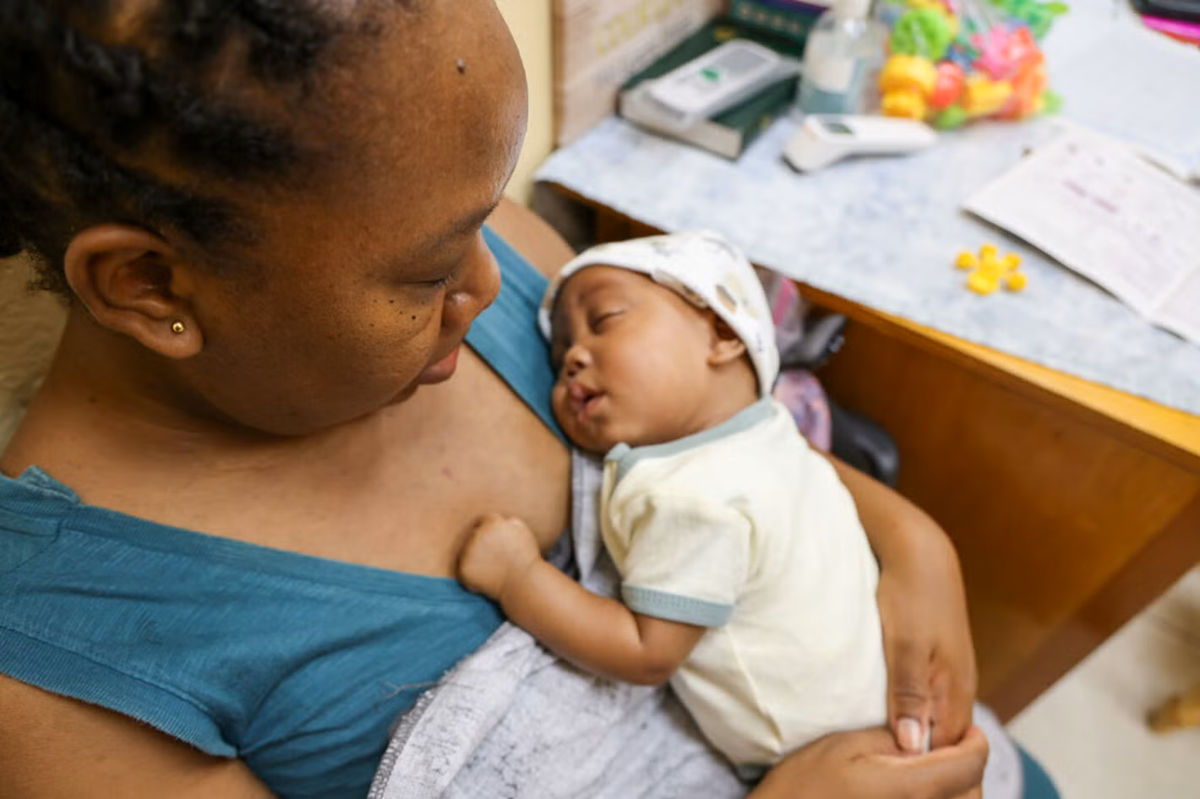
In a significant public health milestone for the Caribbean, The Bahamas has been certified by the World Health Organization (WHO) for eliminating mother-to-child transmission (EMTCT) of HIV, marking a major step forward in the country’s long-running fight against the virus.
The certification places The Bahamas among a small but growing group of countries globally that have successfully interrupted the vertical transmission of HIV from mothers to their babies, a public health achievement considered one of the most difficult targets in HIV response.
“I congratulate The Bahamas on this outstanding achievement, which solidifies years of political commitment, and the dedication of health workers,” said Dr Tedros Adhanom Ghebreyesus, WHO Director-General. “By ensuring that children are born free of HIV, we are securing a healthier, brighter future for the next generation.”
The announcement was made jointly by WHO, the Pan American Health Organization (PAHO), UNICEF and UNAIDS, underscoring both the technical rigor of the certification process and the global importance of the achievement.
Health officials say The Bahamas reached the elimination threshold through sustained investment in maternal and child health services, particularly universal antenatal care coverage and strengthened HIV testing protocols. Every pregnant woman attending antenatal services is tested for HIV early in pregnancy, with repeat testing in the third trimester to ensure early detection and treatment.
A strong laboratory system and integrated maternal health programme have also played a critical role. HIV prevention, diagnosis and treatment services are embedded within routine antenatal care, ensuring that women diagnosed with HIV are immediately placed on antiretroviral therapy and closely monitored throughout pregnancy and after delivery.
Pre-exposure prophylaxis (PrEP) has also been introduced as part of broader prevention strategies, extending protection to high-risk groups, including pregnant women where appropriate. Health authorities say this integrated approach has significantly reduced transmission risks.
Elimination services are coordinated through the Maternal and Child Health (MCH) programme, working closely with the National Infectious Disease Programme, which oversees HIV and other sexually transmitted infections. The system also ensures continuity of care for HIV-positive mothers and exposed infants, including multi-month dispensing of medication and access to free treatment and family planning services.
Speaking at the announcement, Bahamian health authorities credited frontline workers for the success of the programme.
“For years, The Bahamas have been working very hard to address the situation of HIV/AIDS,” said Dr Michael Darville, Minister of Health and Wellness of The Bahamas. “A lot of people have been involved in us achieving this great milestone – our nurses in our public health system, our nurses and doctors in our tertiary health-care system and, by extension, all of the clinics spread throughout our archipelago.”
Regional health leaders also highlighted the broader significance of the achievement for the Americas, where elimination efforts have gained momentum over the past decade.
“This achievement reflects sustained political commitment and strong national leadership, alongside the dedication and compassion of the health workforce,” said Dr Jarbas Barbosa, Director of the Pan American Health Organization (PAHO) and WHO Regional Director for the Americas. “As we look ahead, this milestone is not only a moment of national pride but also an opportunity to build on this success, advancing efforts to end HIV and other communicable diseases as public health threats across the Caribbean and the Americas.”
The Bahamas now joins a small group of countries in the region that have been certified for EMTCT of HIV, including Cuba, which was the first country in the world to achieve the milestone, and Brazil, which was certified last year. In total, 12 countries and territories in the Americas have now reached this status, placing the region at the forefront of global progress.
UN agencies say the achievement reflects years of coordinated regional effort. UNICEF noted that Latin America and the Caribbean continue to lead globally in EMTCT progress.
“Latin America and the Caribbean has long been a beacon of progress in this global effort. From Cuba – the first country in the world to be certified – to Brazil’s certification last year, and now to The Bahamas, the region continues to lead with ambition and determination. Today, more than half of all countries and territories that have achieved elimination are from this region. This is a legacy of leadership that inspires the world,” said Anurita Bains, Global Associate Director for HIV/AIDS at UNICEF.
UNAIDS also emphasised that the achievement demonstrates what is possible when maternal health systems are strengthened and sustained over time.
“The Bahamas are showing that eliminating mother-to-child transmission HIV and other sexually transmitted infections is possible,” said Winnie Byanyima, UNAIDS Executive Director. “This achievement reflects political will for steady investment in primary health care and the work of health teams and people living with and most affected by HIV. When women can test early in pregnancy, start treatment quickly, and stay in care, every child has a better chance of being born free of HIV and other STIs.”
The EMTCT certification forms part of the broader EMTCT Plus Initiative, which also targets the elimination of syphilis, hepatitis B, and congenital Chagas disease. The initiative is aligned with PAHO’s regional Elimination Initiative, which aims to eliminate more than 30 communicable diseases and related conditions across the Americas by 2030.
Health experts caution that while certification marks a major achievement, sustained surveillance, continued testing, and consistent access to treatment will be essential to ensure that elimination is maintained in the long term.