
By Michael Gwarisa
As Mpox infections continue to surge in parts of Africa, health experts are sounding the alarm over a critical shortage of vaccines that threatens to derail the continent’s response efforts.
Despite signs of a decline in cases in countries such as Uganda and Burundi, Africa’s stockpile of Mpox vaccines is rapidly depleting, prompting calls for urgent international support.
The warning comes as Sierra Leone experiences an exponential rise in new infections. In the past three weeks alone, the country has accounted for 58.2 percent of all confirmed cases in Africa, driving a six-week upward trend across the continent. In contrast, the Democratic Republic of Congo (DRC) appears to have reached a plateau in new infections, although the risk of resurgence remains high due to limited vaccination coverage.
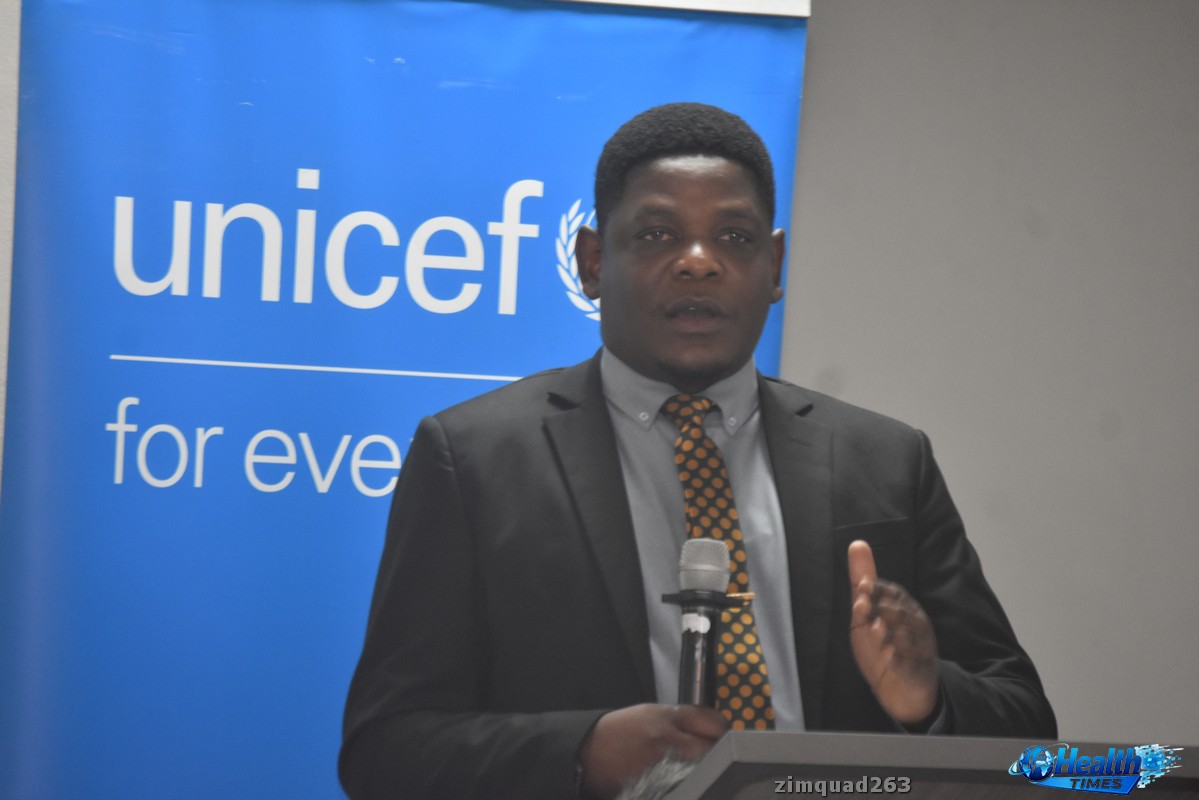
During a weekly media briefing, Dr. Jean Kaseya, Director General of the Africa Centres for Disease Control and Prevention (Africa CDC), stressed the need for immediate action to avert a larger health crisis.
To date, 11 countries have received Mpox vaccines totaling 1,331,780 doses,” said Dr. Kaseya. “Over 632,000 people have already been vaccinated, but we now have less than 400,000 doses remaining. We need more vaccines to sustain the momentum and protect vulnerable populations.”
Recent deliveries include Angola, which received 67,000 doses on May 9, 2025. These vaccines were donated by Spain through the Africa CDC and brought the number of countries receiving Mpox vaccine support to 11. Seven of these nations are actively rolling out vaccinations, including the DRC’s South Kivu province, where over 300 people have recently been vaccinated.
Professor Yap Boum II, the Deputy Incident Manager for Mpox at Africa CDC, echoed the urgency of the situation. He called for a massive scale-up in vaccine procurement and distribution to reach the estimated target needed to control the outbreak.
“We need at least 6.4 to 6.5 million doses of the Mpox vaccine by August 2025 to bring the outbreak under control,” said Professor Boum. “This figure includes doses for countries battling active outbreaks, as well as those where Mpox is endemic, such as the DRC and the Central African Republic (CAR). If we do not act swiftly, there is a risk that the virus could mutate again and push us back to square one.”
Professor Boum emphasized the importance of a dual approach, combining outbreak control in non-endemic countries with long-term mitigation strategies in endemic regions.He warned that failure to invest now would prolong the crisis and potentially allow new variants to emerge.
Meanwhile, recent epidemiological data underscores the urgency of the situation. In week 18 of 2025, a total of 3,183 new suspected Mpox cases were reported, reflecting a 10 percent decline from the previous week’s 3,595. However, confirmed cases surged by 36 percent, increasing from 784 to 1,033. There were 10 deaths among suspected cases, representing a case fatality rate of 0.3 percent, slightly down from 12 deaths (0.34 percent) the previous week. The number of deaths among confirmed cases remained at seven, although the fatality rate declined from 0.92 to 0.6 percent.
Reporting coverage has remained constant, with only 10 of the 24 affected countries submitting weekly data. By week 18, a cumulative total of 55,145 suspected cases had been recorded in 2025, representing 71 percent of the 77,809 cases reported in 2024. Confirmed cases stood at 12,761, also about 71 percent of the 2024 total of 17,907.
Sierra Leone, DRC, Uganda, and Burundi were responsible for 98.1 percent of all confirmed cases during week 18, with Sierra Leone emerging as the current epicenter of the outbreak.