
Merchant Of Death: UK Nurse Lucy Letby Murders Seven Babies
Nurse Lucy Letby has been found guilty of murdering seven babies on a neonatal unit, making her the UK’s most prolific child serial killer in modern times. BBC The 33-year-old has also been convicted of trying to kill six other infants at the Countess of Chester Hospital between June 2015 and June 2016. Letby deliberately
Read More
WHO Declares An End To COVID-19 Global Health Emergency
The World Health Organization announced on Friday that it was ending the emergency it declared for Covid-19 more than three years ago, a milestone in the fitful emergence from a pandemic that has killed millions of people around the world and upended daily life in previously unimaginable ways. “It is with great hope that I
Read MoreGlobal Partners Announce “The Big Catch-up” Drive To Vaccinate Millions Of Children
The pandemic saw essential immunization levels decrease in over 100 countries, leading to rising outbreaks of measles, diphtheria, polio and yellow fever. ‘The Big Catch-up’ is an extended effort to lift vaccination levels among children to at least pre-pandemic levels and endeavours to exceed those. Led by a broad range of national and global health
Read MoreWHO releases the largest global collection of health inequality data
Today, WHO is launching the Health Inequality Data Repository, the most comprehensive global collection of publicly available disaggregated data and evidence on population health and its determinants. The repository allows for tracking health inequalities across population groups and over time, by breaking down data according to group characteristics, ranging from education level to ethnicity. The
Read MoreWHO Predicts A 10 Million Global Shortage Of Healthcare Workers By 2030
THE Fifth Global Forum on Human Resources for Health which kicked yesterday in Geneva, Switzerland, amplified calls for increased investment towards developing and recruiting more healthcare workers in the face of an impending global human resource catastrophe. By Michael Gwarisa According to World Health Organization (WHO) Director General, Dr Tedros Adhanom Ghebreyesus, severe disruptions to
Read More
1 in 6 people globally affected by infertility: WHO
Large numbers of people are affected by infertility in their lifetime, according to a new report published today by WHO. Around 17.5% of the adult population – roughly 1 in 6 worldwide – experience infertility, showing the urgent need to increase access to affordable, high-quality fertility care for those in need. By Own Correspondent The new
Read MoreWHO certifies Azerbaijan and Tajikistan as malaria-free
A total of 42 countries or territories have reached the malaria-free milestone The World Health Organization (WHO) has certified Azerbaijan and Tajikistan for achieving elimination of malaria in their territories. The certification follows a sustained, century-long effort to stamp out the disease by the two countries. “The people and governments of Azerbaijan and Tajikistan have
Read MoreMassive efforts needed to reduce salt intake and protect lives
A first-of-its-kind World Health Organization (WHO) Global report on sodium intake reduction shows that the world is off-track to achieve its global target of reducing sodium intake by 30% by 2025. Sodium, an essential nutrient, increases the risk of heart disease, stroke and premature death when eaten in excess. The main source of sodium is
Read More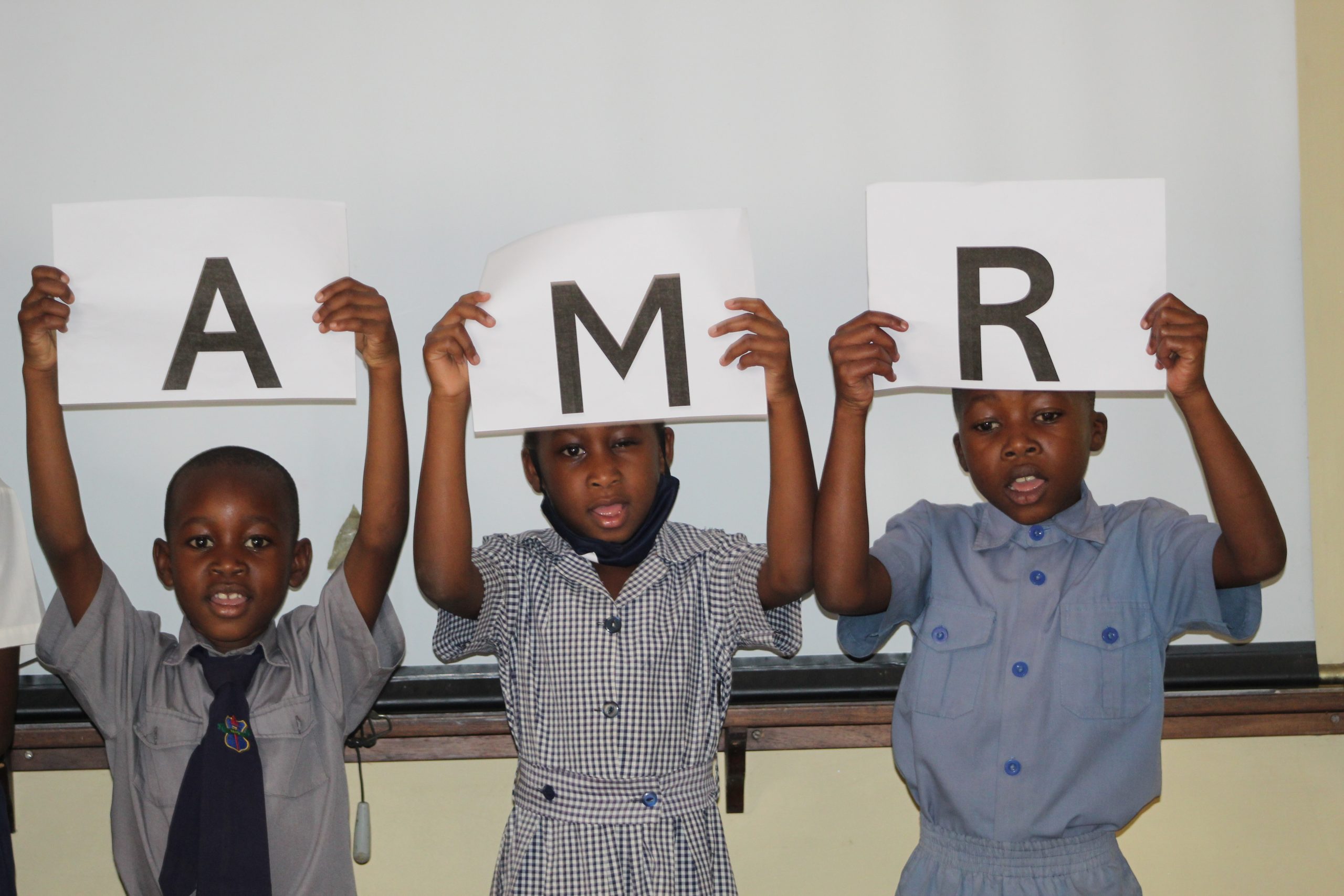
Antimicrobial Resistance To NTDs Medicines On the Increase
THE World Health Organisation (WHO) is currently working on developing alternative or second-line treatments, or combination therapies of existing Neglected Tropical Diseases (NTDs) medicines, following indications that some NTDs were developing resistance to the different antimicrobials used to treat Neglected Tropical Diseases (NTDs), a new report has announced. By Michael Gwarisa The emergence of treatment
Read More
COVID-19 still a global health emergency, says WHO
The verdict is in: The COVID-19 pandemic is still a global health emergency, the World Health Organization has concluded. But it might not be for much longer. The decision from the WHO — exactly three years after COVID-19 was first declared a public health emergency of international concern (PHEIC) — comes after a meeting of
Read More