By Michael Gwarisa
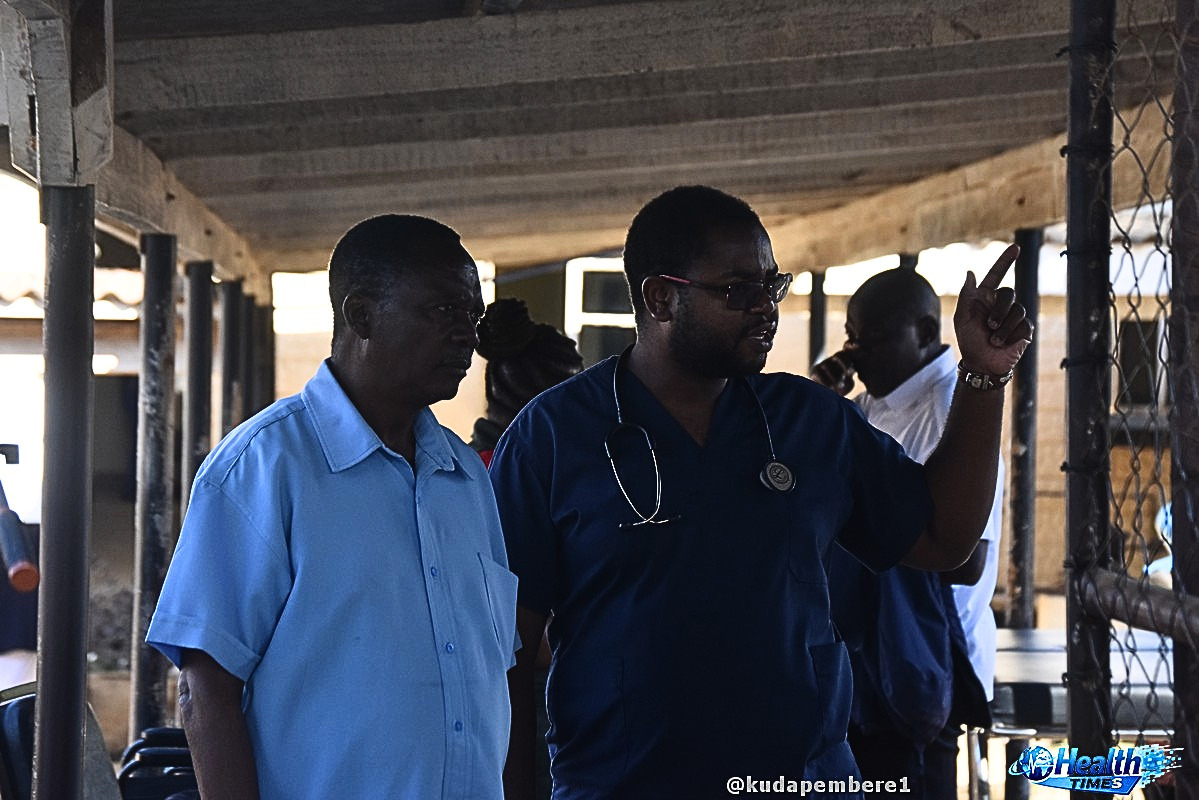
Zimbabwean doctors are already calling it a game-changer. In his own words, Dr. Bernard Madzima, a leading family health expert and current Board Chairperson of Population Services Zimbabwe (PSZ), said, “This pill is changing the game already. This pill can be taken up to 120 hours and still be safe.” He, however, emphasized the need to take the pill within the stipulated 72-hour window for emergency contraceptives.
The Back-Up pill, an emergency contraceptive recently introduced by Population Services Zimbabwe—is poised to revolutionize the country’s Sexual and Reproductive Health (SRH) landscape. Offering protection for up to 120 hours after unprotected sex, this pill arrives at a time when Zimbabwe continues to grapple with high rates of unintended pregnancies and periodic shortages of emergency contraceptives.
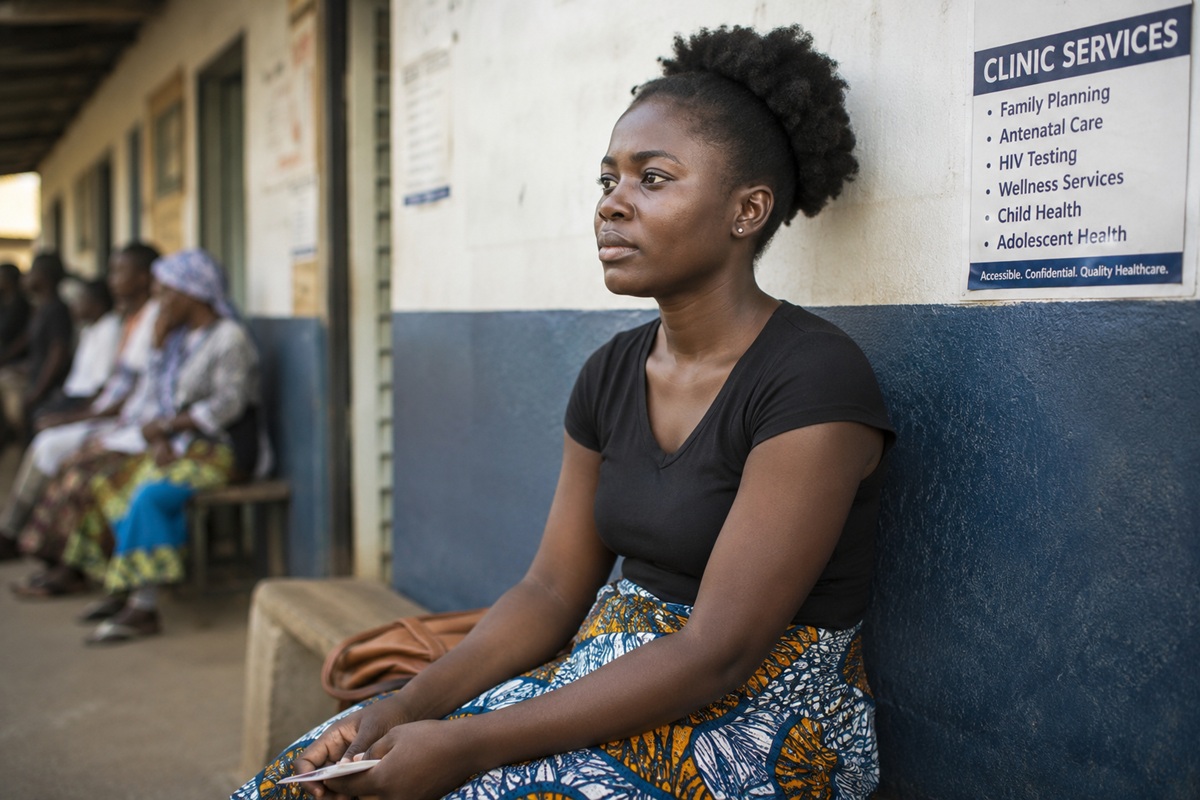
Statistics reveal a troubling trend: nearly 40% of pregnancies in Zimbabwe are unintended, and of these, 1 in 4 end in unsafe abortion. The consequences are devastating, physically, emotionally, and economically, particularly for young women and girls with limited access to timely reproductive health services. The launch of the Back-Up pill offers a beacon of hope in a system where gaps in access often leave women vulnerable and without options.
To understand the vision and motivation behind Back-Up, HealthTimes spoke to Yeukai Muzenda-Mugabe, the Marketing and Commercial Services Director at PSZ. She shed light on the product’s development process, the unique advantages it brings to the market, and how it is set to close the longstanding emergency contraceptive access gap in Zimbabwe.
The Back-Up pill is an emergency contraceptive pill and it is a short-term method of contraception,” said Muzenda-Mugabe, adding that it does not replace available long-acting contraceptives or birth control methods and should ideally be taken within 72 hours for it to be most effective.
“We realised that there have been moments when Zimbabwe experienced shortages in contraceptives, in particular the Emergency Contraceptive Pill, especially around the period 2021 to 2022. Whilst there were other registered brands for emergency contraceptives, we noticed that there was a gap and that’s how we ended up taking it on board.”

The Back-Up pill does not protect against sexually transmitted infections. According to the World Health Organization (WHO), emergency contraception (EC) can prevent over 95% of pregnancies when taken within five days after intercourse. Emergency contraceptives can be used in the event of an unprotected sexual encounter, concerns about possible contraceptive failure, incorrect use of contraceptives, or sexual assault without contraception coverage. Any woman or girl of reproductive age may need emergency contraception to avoid an unwanted pregnancy.
“The pill will also help reduce teenage pregnancies and unsafe abortions to a certain extent. We hope that it will come in to help people have more planned families, more planned economies, and more planned life. We are hoping that it will help reduce unplanned pregnancies and boost the productivity of the nation. Once you have a pregnancy and it’s unplanned, it can actually hinder quite a number of issues,” added Muzenda-Mugabe.
Studies have shown that the Back-Up emergency contraceptive pill is highly effective if taken as directed within 72 hours after unprotected sex. Levonorgestrel can reduce the risk of pregnancy by up to 89%. According to clinical trials, it can be effective even if taken up to 120 hours, or about five days, though it is advised to take it as soon as possible.
“The pill is highly effective and is of high quality. We go through a rigorous quality assessment for all our products. It is one pill, and in comparison to other products on the market, you find that usually people have had challenges using the two-pill method because sometimes one can forget, and you want something that is fast and effective. It is one pill, which is one good reason it has been well received. Because of its high efficacy and the quality that it has, it has been widely received.”
It becomes more effective the sooner it is taken. It has been proven to work even when taken on the fifth day, though immediate usage is advised for best results.
The Back-Up pill was manufactured for MSI Reproductive Choices. The pill is already available globally through other country programs. Population Services Zimbabwe, as an affiliate, is the exclusive distributor for products manufactured and registered for MSI.
“We took this up as an affiliate of MSI and then applied for its registration through MCAZ. The process involved MCAZ inspecting the manufacturer’s plant and going through the dossiers to make sure that they are compliant and meet the expected standards in Zimbabwe.”
For manufacturing, MSI Reproductive Choices works with a selected pool of suppliers. In developing this product, PSZ partnered with Renata Ltd, a pharmaceutical company based in Bangladesh. Renata is the registered manufacturer, and its plant been inspected and approved by the Medicines Control Authority of Zimbabwe (MCAZ).
Although the Back-Up pill was officially registered and approved for use in Zimbabwe by the MCAZ in December 2024, it had already received provisional clearance to be distributed two years prior.
“In Zimbabwe, it was officially registered by the Medicines Control Authority of Zimbabwe (MCAZ) in December 2024. The major hurdle we faced was that by the time we tried to register the product around the COVID-19 era, processes were a bit slow. We submitted our dossiers in November 2021 and received our final approval in December 2024. I am happy that, although it seemed to have taken long, MCAZ allowed us to bring the product via Section 75 even before registration. That helped us maneuver the hurdle and have the product available around 2022,” said Muzenda-Mugabe.
MCAZ provided continuous updates to PSZ during the process to ensure they complied with
registration requirements.
“It is already on the market in Zimbabwe and was officially registered in December 2024 by MCAZ. Now that it is registered, it is readily available in pharmacies and even in rural areas where we reach directly or through our distributors.”
The Back-Up pill is a pharmacist-initiated medicine, meaning one can access it from any pharmacy staffed by a registered pharmacist without needing a prescription.
“We would really want the product to benefit as many people as possible and to reach all those who need it. In terms of affordability, we are trying by all means to make sure it comes in at a reasonably lower cost. We have been weighing and comparing the best way to bring it. Our most recent consignment came via sea, reducing the cost by about 10%. We will continue looking at ways of bringing it at a better price for the benefit of the majority.”
Emergency contraceptives in Zimbabwe face a myriad of challenges, chief among them being the stigma associated with their use. PSZ has already initiated campaigns to raise awareness and dispel myths about the Back-Up pill in communities.
“We intend on conducting awareness campaigns, which we have already started, especially in trying to demystify myths that come with contraception. We are working in the communities we serve, targeting all childbearing age groups of women with awareness on the use of contraception. We are also involving men in the process. We conduct roadshows, digital and print communication to demystify.”
Future Products
“We are always looking for how best we can serve communities. At any given time, if we identify shortages or gaps in the market, we try and bring in a solution. We are also in the process of registering an oral contraceptive which will be called Well Plan. The registration is at advanced stages, and we look forward to having Well Plan available soon to fill the contraception gap.”
Impact
“We have been obtaining monthly reports of product-consumption, but we will be conducting some studies to see how it has been received in the market and conduct feedback surveys to inform our processes. While we are tracking consumption, we also need to go further into obtaining market insights with regards to the product.
“In the beginning, we were dispatching between 50,000 to 100,000 units per year, but at the rate we are going now, I foresee around 300,000—and maybe in the next two years, PSZ alone will be distributing around half a million tablets.”
“Seek advice from healthcare professionals and avoid getting backdoor information about your health. Own your health, be accurately informed. As PSZ, we are here for you anytime and you can reach us through our WhatsApp and Tollfree platforms. We have got trained healthcare professionals who can help.”
With the launch of the Back-Up emergency contraceptive pill, PSZ is once again demonstrating its commitment to improving access to safe, reliable, and affordable reproductive health solutions for all Zimbabweans. By introducing a high-quality, single-dose pill that remains effective up to 120 hours after unprotected sex, PSZ is not just filling a gap, it is empowering individuals to take control of their reproductive choices with dignity and confidence.
As conversations around sexual and reproductive health continue to evolve, the availability of the Back-Up pill marks a significant step toward reducing unplanned pregnancies, especially among adolescents and vulnerable communities. It is a lifeline for those who find themselves in moments of uncertainty, offering them a second chance, and most importantly, peace of mind.
Zimbabwe now has a solution that is safe, effective, and locally accessible. Thanks to PSZ’s foresight and dedication, the Back-Up pill is more than just a product, it is a promise of health, hope, and a more empowered future for all.
NB: Reproduction, republication, or aggregation of this article without prior written consent
from HealthTimes is strictly prohibited and may constitute a criminal offense.