By Kuda Pembere
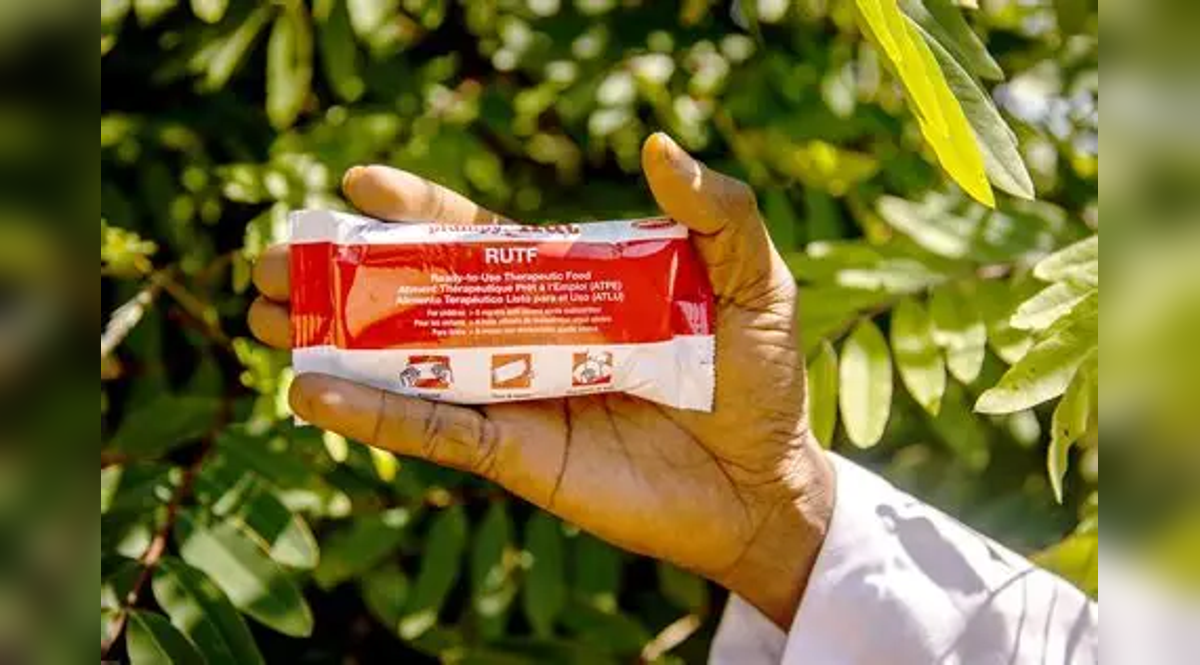
After three decades of treating child malnutrition with Ready to Use Therapeutic Food (RUTF) such as Plumpy Nut under United Nations Children’s Fund support, Zimbabwe faces new risks as funding shortages strain supply pipelines.
RUTF, an energy-dense food used to treat children with severe acute malnutrition, has significantly reduced the need for hospitalisation, intensive medical supervision and complex food preparation since its rollout in 2008 under community-based management programmes.
The intervention has helped save thousands of children’s lives in Zimbabwe and millions cross the globe.
As the world’s largest procurer of RUTF, UNICEF accounts for about 80 percent of global supply and currently supports 100 percent of Zimbabwe’s national needs.
However, declining donor funding is beginning to strain supply pipelines.
“RUTF pipelines are severely threatened by funding gaps. Urgent action is needed to secure this pipeline, and UNICEF is calling for national and international support to ensure that this life-saving commodity is prioritised in the procurement of essential medicines,” said Kudzai Mukudoka, Child Nutrition Specialist at UNICEF Zimbabwe.
She said the agency is now working with government to develop more sustainable financing models.
“UNICEF is working closely with the Ministry of Health and Child Care through a public financing initiative to match local funding with donor support. This will help ensure sustainability,” she said.
The funding pressures come at a time when Zimbabwe is grappling with recurring droughts, economic shocks and rising food insecurity.
According to the latest Zimbabwe Demographic and Health Survey, 23.8 percent of children under the age of five are stunted due to chronic malnutrition.
In a statement, UNICEF said the success of RUTF over the past decades demonstrates the impact of sustained investment and innovation in child nutrition.
“RUTF shows that when innovation, political commitment and investment come together, millions of children’s lives can be saved from malnutrition. As we mark 30 years of progress, UNICEF is calling on governments, donors and partners to protect and expand these gains so that no child dies from preventable malnutrition,” the agency said.
Going forward, UNICEF said it is working with the Ministry of Health and Child Care to advocate for a national contribution towards RUTF supply chain costs, which can be matched with donor funding to maintain consistent supply.