Michael Gwarisa, Manicaland
“My labour pains felt like a running stomach. I did not realise I was about to give birth,” recalls Sophia Uranda from Chavhanga Village in Honde Valley.
What began as mild discomfort quickly turned into an emergency. On her way to the clinic, the contractions intensified, forcing her to deliver by the roadside before she could reach help. When she finally arrived at the facility, nurses made a critical discovery, a retained placenta, and she was immediately rushed for urgent care.
“I was treated quickly, and now I am in good health,” she says, her voice steady, the fear of complications now behind her.
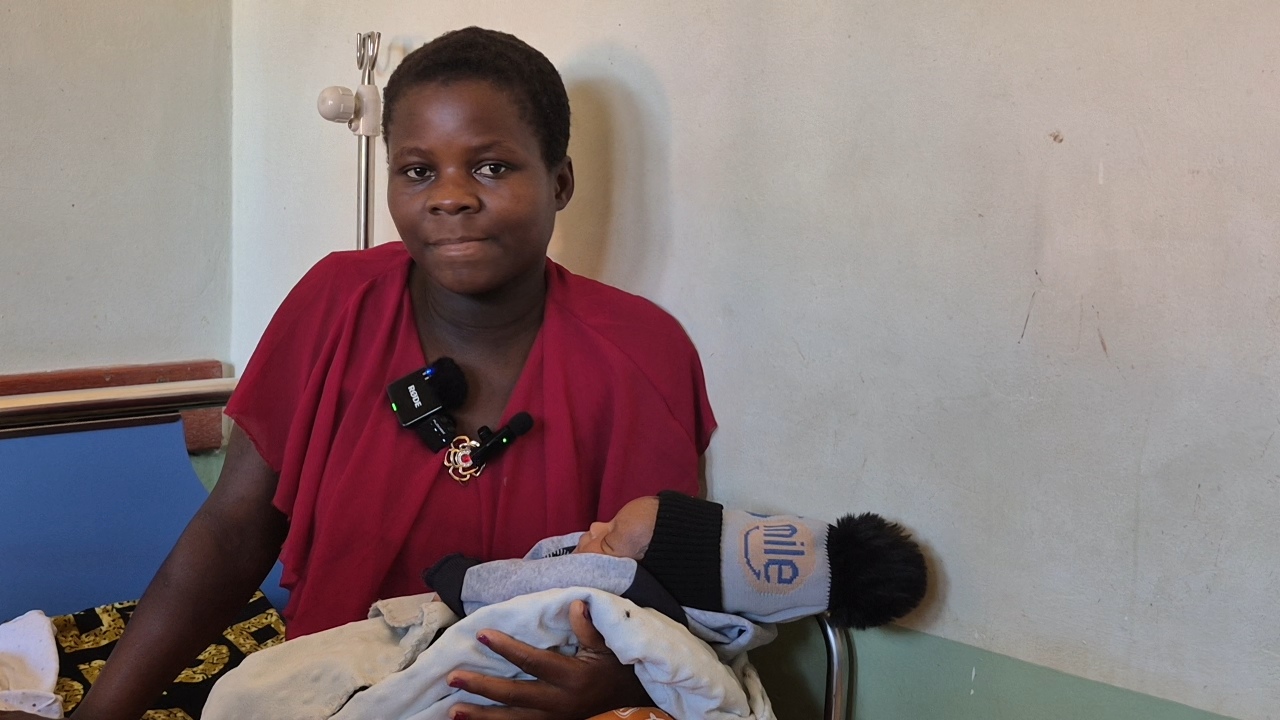
Not far from her sits twenty-two-year-old Colleta Ngende from Chiku in Mandeya Village, gently cradling her newborn. Her story unfolded differently, but with the same outcome.
When labour pains began, her husband rushed her to Hauna District Hospital. Upon arrival, she was quickly assessed and referred for a caesarean section at the hospital’s theatre.
“I was operated on and delivered safely,” she says, smiling as she holds her baby.
Despite not staying at the hospital’s waiting mothers’ shelter, Colleta had attended routine check-ups, receiving essential monitoring and scans throughout her pregnancy.
Stories like Sophia’s and Colleta’s are not isolated. They are part of a broader and striking pattern emerging from Hauna District Hospital, where more than 4,000 women have given birth since 2022 without a single recorded maternal death.
Behind these outcomes is a system that has quietly transformed maternal care in this remote corner of Manicaland.
At the centre of it is the hospital’s matron, Mr Tendai Serere, whose team has redefined what is possible in a rural setting.
“We take pride in ensuring that every mother delivers safely and returns home with her health intact and her baby alive,” said Serere.
“Since January 2026, we have assisted 446 mothers to deliver safely, with all babies surviving. Looking back to 2022, we have not recorded a single maternal death related to childbirth at this facility.”
He attributes this success to a combination of factors, including skilled personnel such as trained midwives and a strong referral system. Hauna District Hospital serves a catchment area of nearly 50 health facilities.
“We encourage pregnant women, especially those with complications, to check into our waiting mothers’ shelter from around 33 weeks. This allows us to monitor them closely and prevent delays that could cost lives,” he said.
The hospital has also invested in modern equipment, including ultrasound scanning services, reducing the need for costly referrals to private providers or distant urban centres such as Mutare or Harare.
“We rarely refer patients to Victoria Chitepo Hospital now because most of the services are available here,” Serere added.
This transformation is closely linked to Zimbabwe’s broader health systems strengthening efforts under the COVID-19 Response Mechanism.
The project is being led by the Ministry of Health and Child Care with financial support from the Global Fund and implemented by the United Nations Development Programme.
Through this initiative, Zimbabwe has received over US$180 million since 2020 to support both the COVID-19 response and long-term health system improvements.
At Hauna, this support has translated into tangible gains. Modern pharmacy stores have been constructed, improving medicine storage and supply chain efficiency, while the maternity wing now benefits from a reliable 24-hour solar power backup system that keeps critical services running, including the operating theatre.
Of the total funding, approximately US$51 million has been managed by UNDP, largely directed towards infrastructure development, while the Ministry of Health and Child Care has implemented other components under the programme.
“Here at the maternity unit, we are not experiencing medicine stock-outs,” said Serere.
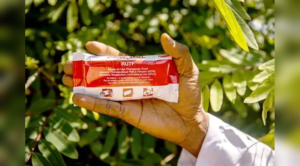
“This is a malaria high-burden district, and pregnant women are particularly vulnerable. We are providing preventive treatment such as Fansidar to protect them, because malaria can be deadly during pregnancy.”
He also highlighted the impact of the Solar for Health initiative, which has significantly improved service delivery, particularly during childbirth emergencies.
At provincial level, the impact is equally visible.
Acting Manicaland Provincial Medical Director, Dr Cephas Fonte, said the programme has strengthened health systems across the province.
“As we speak, about 200 health facilities have been solarised, and 34 pharmacy stores have been constructed or are near completion,” said Dr Fonte.
“These investments are helping the ministry maintain the quality and effectiveness of medicines, while also improving overall service delivery.”
Back in Hauna, the results are measured not just in statistics, but in lives saved and families kept whole.
For mothers like Sophia and Colleta, the difference is simple but profound, they survived childbirth, and so did their babies.