By Michael Gwarisa
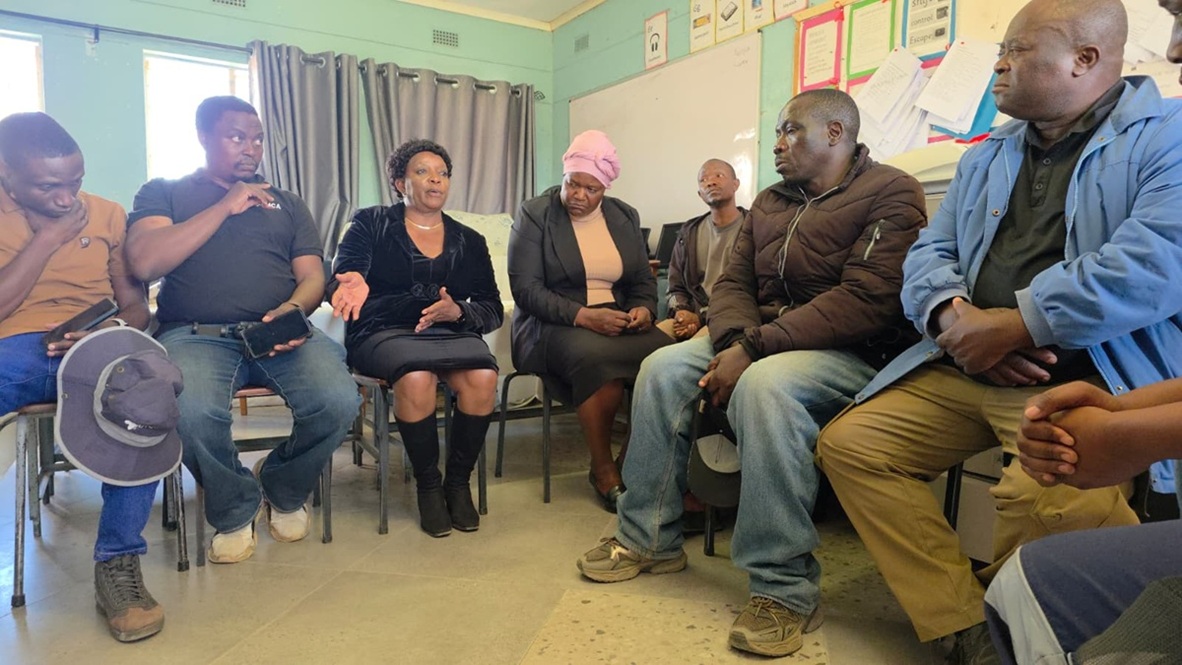
The Community Working Group on Health (CWGH) has welcomed the appointment of the 2025–2028 Maternal and Perinatal Death Surveillance and Response (MPDSR) National Steering Committee by the Minister of Health and Child Care, Dr. Douglas Mombeshora. The newly appointed committee is expected to play a crucial role in reviewing maternal and perinatal deaths and recommending urgent national actions to reduce preventable fatalities.
The MPDSR Committee, first established in 2015, is tasked with identifying key trends and systemic weaknesses contributing to maternal and newborn deaths, and offering strategic guidance to the Ministry of Health and other stakeholders to improve outcomes for mothers and babies across the country.
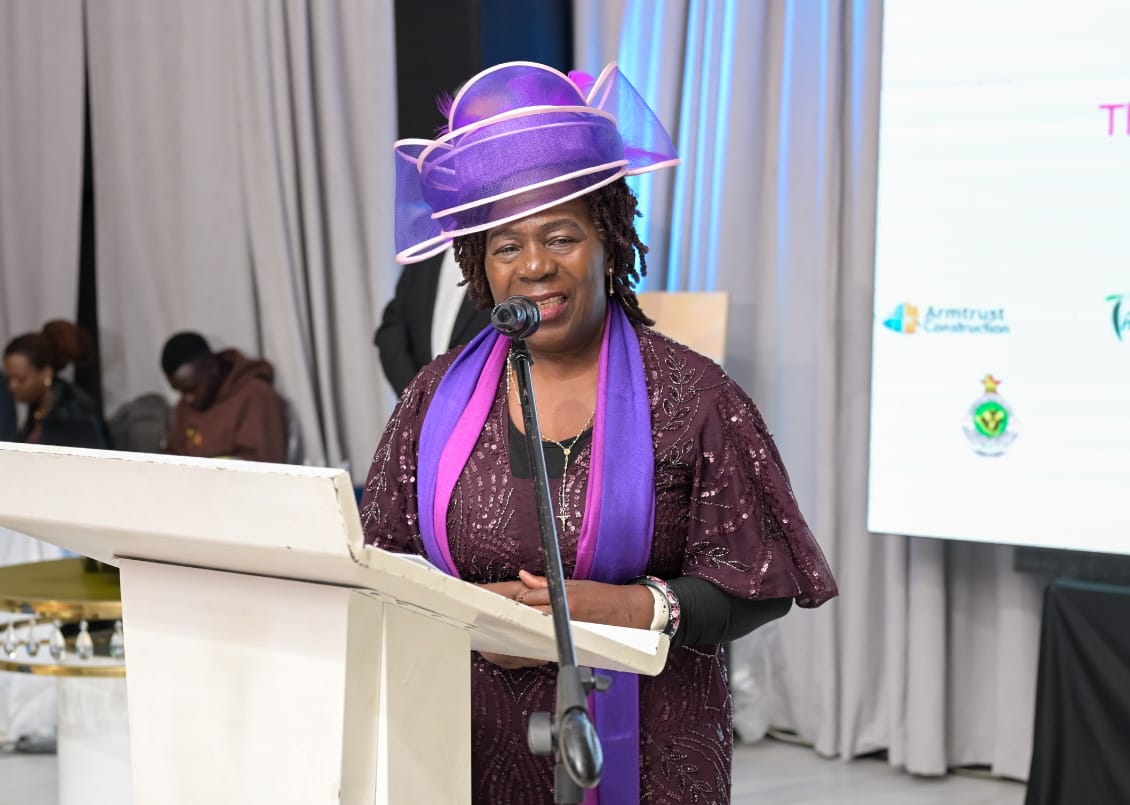
Reacting to the appointment, Mr. Itai Rusike, Executive Director of CWGH and former member of the committee, emphasized the importance of using data to drive action and policy.
The MPDSR National Steering Committee has been there since 2015, and I was also a member from 2016 until now when my term ended,” said Rusike. “Maternal Death Surveillance findings can help target maternal health services based on who is dying, where, and due to what causes.”
He acknowledged the committee’s potential while warning that the biggest challenge over the years has been the lack of implementation of its recommendations.
“Poor implementation of the recommendations of the MPDSR Committee has been the biggest challenge over the years, as the country has continued to experience preventable and avoidable maternal and child deaths. We need to see action on the recommendations of the committee instead of just having continuous meetings from one province to the other without anyone addressing the serious gaps in the health delivery system,” said Rusike.
The urgency of the committee’s work is underscored by a recent article published by HealthTimes titled “A 75-Seater Bus of Newborns Crashes Every 12 Hours in Zimbabwe – We Must Hit the Brakes”. The piece paints a grim picture of Zimbabwe’s perinatal mortality crisis, revealing that nearly 150 newborns die every day — equivalent to two full busloads of infants per 24 hours. These staggering figures highlight the scale of the crisis and the critical need for targeted interventions that the MPDSR Committee is now being called upon to lead.
“A healthy society starts with the well-being of mothers and newborns. Access to quality parental care, safe childbirth practices, and essential health services is vital in reducing maternal and infant mortality rates,” Rusike noted. “Prioritizing maternal and child health breaks the cycle of poverty and illness, ensuring that no mother dies while giving life, and that every child has an opportunity to thrive.”
Rusike also called for increased investment in public health and more robust government commitment to long-term solutions.
“Critical investment is needed to improve women’s longer-term health and general welfare. There is need for the government to increase public health expenditure and commit to fostering environments where families can flourish, paving the way for a healthier, more hopeful future for generations to come.”
He concluded by highlighting that tackling maternal and perinatal deaths is not just a health issue, but a matter of rights and equity.
“Better maternal health means improving the rights of women and girls so that they can plan their lives and protect their health. Their agency and empowerment are fundamental for tackling both maternal and newborn deaths and achieving health for all.”