By Michael Gwarisa in Gokwe
A sizable number of men in Gokwe are now facing serious prostate health issues, a condition locally known as Ku Blocker. Health authorities believe this troubling rise may be tied to the widespread use of Guchu, a traditional sex-enhancing concoction used by many men to improve sexual performance.
Gokwe is known for its polygamous traditions, largely shaped by cultural and religious beliefs. Polygamy is also common in neighbouring districts like Kariba and Binga. To keep up with demanding sex in polygamous settings, men in these communities often resort to herbal concoctions or traditional herbs, believing they boost stamina and virility.
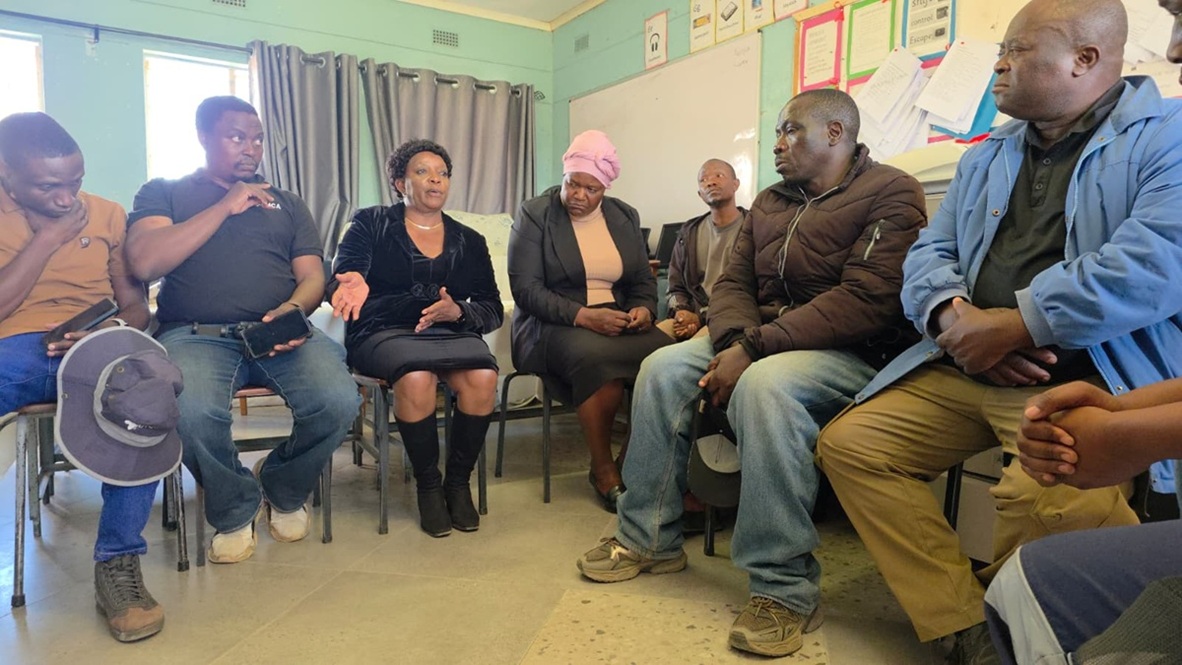
In an interview with HealthTimes, Magadzire (Real name protected) a member of the Johane Marange sect, said his troubles began in January 2022 when he noticed he could no longer urinate normally.
“Ndakabloker (my urethra is blocked),” he recalled.
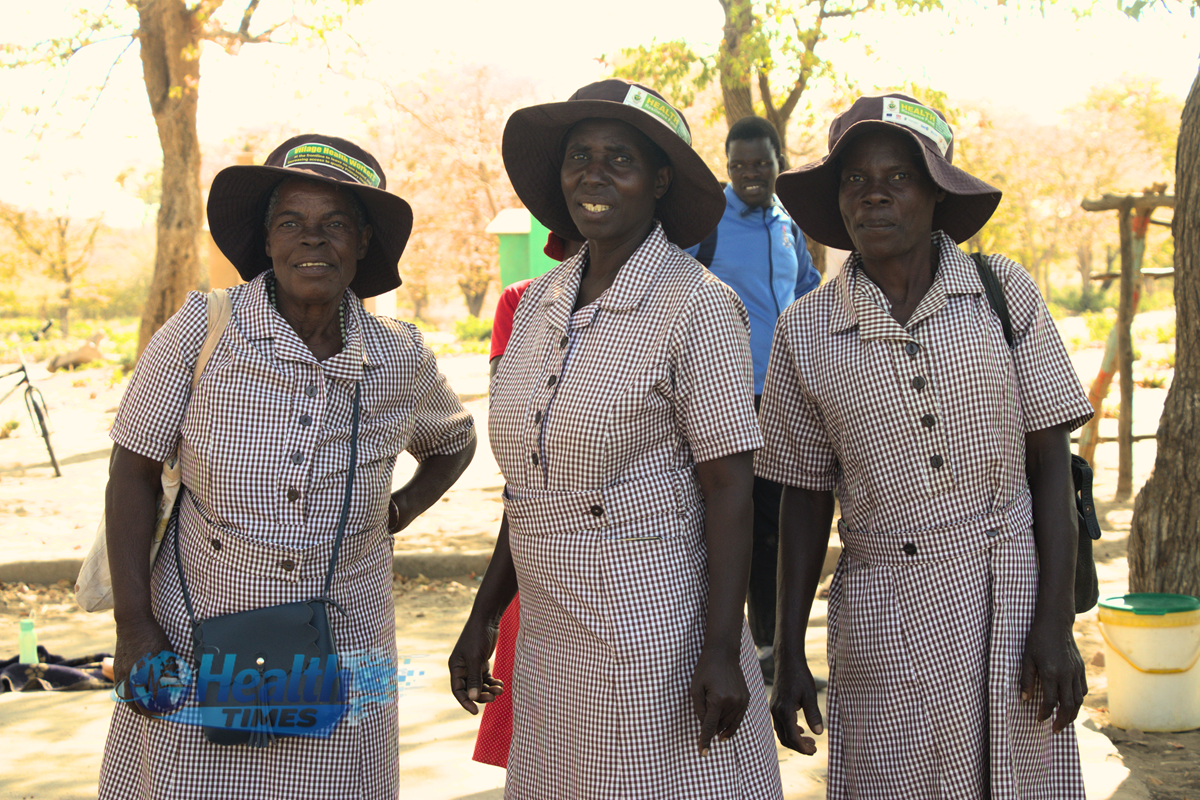
After discovering that I had blocked, I could hardly pass urine. I went to church thinking I would get help. Nobody could help, so I contacted a village health worker who linked me to health services. They inserted a catheter to drain urine from my body.”
Though the catheter eased his pain, Magadzire’s relief was temporary. In 2023 it was removed, only for the symptoms to return: “I’m now back to my catheter. I am happy I was helped, as some of my colleagues from church who developed this condition have since lost their lives.”
For 57-year-old Fibion Tazvivinga (Real name protected), the ordeal began with mild obstruction when urinating. Over time, it escalated: he now passes blood-stained urine, a terrifying symptom.
“I am peeing blood, and this has been going on for a long time now. I think it’s been more than six months. However, I cannot go to the clinic or hospital because of the long distance,” said Tazvivinga. He holds out hope because teams of health workers from the Ministry of Health and Child Care (MoHCC) have been visiting through outreach programs.
Sister Caritas Mbombe, the District Nursing Officer for Gokwe, warns that healthy men are being harmed by overuse of these herbal sex-enhancing concoctions, locally called Mushonga Yemusana.
“We discovered that here in Gokwe North, the use of herbal concoctions is very rife, so we have some cases linked directly to their use. What happens is that at times it becomes difficult for men to pass urine. These problems can be due to a number of issues ranging from an enlarged prostate, infections, or even prostate cancer. When the prostate enlarges it presses on the urethra and makes urination painful or almost impossible.”
She says that when such cases come into clinics, medical staff assess the condition, doing tests, prescribing antibiotics if there is infection, or other medicines if enlargement is confirmed. Early detection, she emphasizes, makes a big difference.
These stories are not just about discomfort. They are warnings. While many believe Guchu and similar herbs are harmless because they are “natural” or traditional, Dr. Caritas and her team stress that incorrect dosages, impure ingredients, or the wrong combinations of herbs can be very dangerous.
Scientific research shows that while some herbal treatments are promoted for prostate health (for example to relieve symptoms of benign prostatic hyperplasia, BPH), many products lack adequate evidence on safety and long-term effects. A systematic review published in Phytomedicine Plus (2022) found that herbs such as Serenoa repens (saw palmetto), Urtica dioica, Pygeum africanum and others sometimes do relieve urinary symptoms. However, the studies were variable in design, dosage and safety, and many did not look at long-term damage.
Herbal sexual enhancers may contain unregulated or unknown substances, interact badly with infections, or provoke chronic inflammation. Repeated irritation or infection of the prostate can lead to scarring, prostate enlargement, or increased risk of chronic prostatitis. Some animal studies also suggest that herbal extracts in high doses can disrupt hormone balance, or trigger oxidative stress in prostatic tissue.
Moreover, a review titled Herbal Supplements for Prostate Enlargement: Current State of the Evidence (Urology, 2018) warns that many herbal supplements sold for lower urinary tract symptoms (LUTS) include ingredients whose evidence is conflicting or absent. None of the supplements studied was entirely made up of substances backed by solid scientific trials.
In short: Guchu and similar herbal concoctions might temporarily boost sexual performance, but their unregulated, unchecked use—especially over time, can damage the prostate, cause urethral blockage, chronic pain, or worse.