
Kuda Pembere
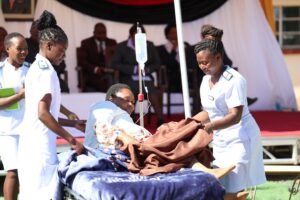
Fewer than 2 000 women and adolescent girls in Zimbabwe have received corrective surgery for obstetric fistula since specialised repair camps began in 2014, prompting health authorities to expand the programme nationwide to tackle a backlog of thousands living with the preventable childbirth injury.
According to the Zimbabwe Health Demographic Survey (2023-24), about 15 000 Zimbabwean women and girls are living with obstetric fistula.
Obstetric fistula is a preventable and treatable childbirth injury that affects close to 500 000 women and girls globally.
Speaking to journalists on the sidelines of a free fistula repair camp at Gweru Provincial Hospital last week, the Ministry of Health and Child Care’s National Maternal Health Care Officer Dr Chipo Chimamise said the scale of the problem remains significant.
“If Zimbabwe has 15 000, since 2014, we treated less than 2000. This is still a very huge burden on the country and we need to expand the services. We started with Chinhoyi Hospital, we expanded to Mashoko Hospital, Mutambara Hospital, Morgenster Hospital, Chidamoyo Hospital, UBH, and now Gweru,” she said.
Dr Chimamise said the government has been investing in strengthening maternal care services by training midwives, nurses, surgeons, obstetricians and gynaecologists in emergency maternal and neonatal care.
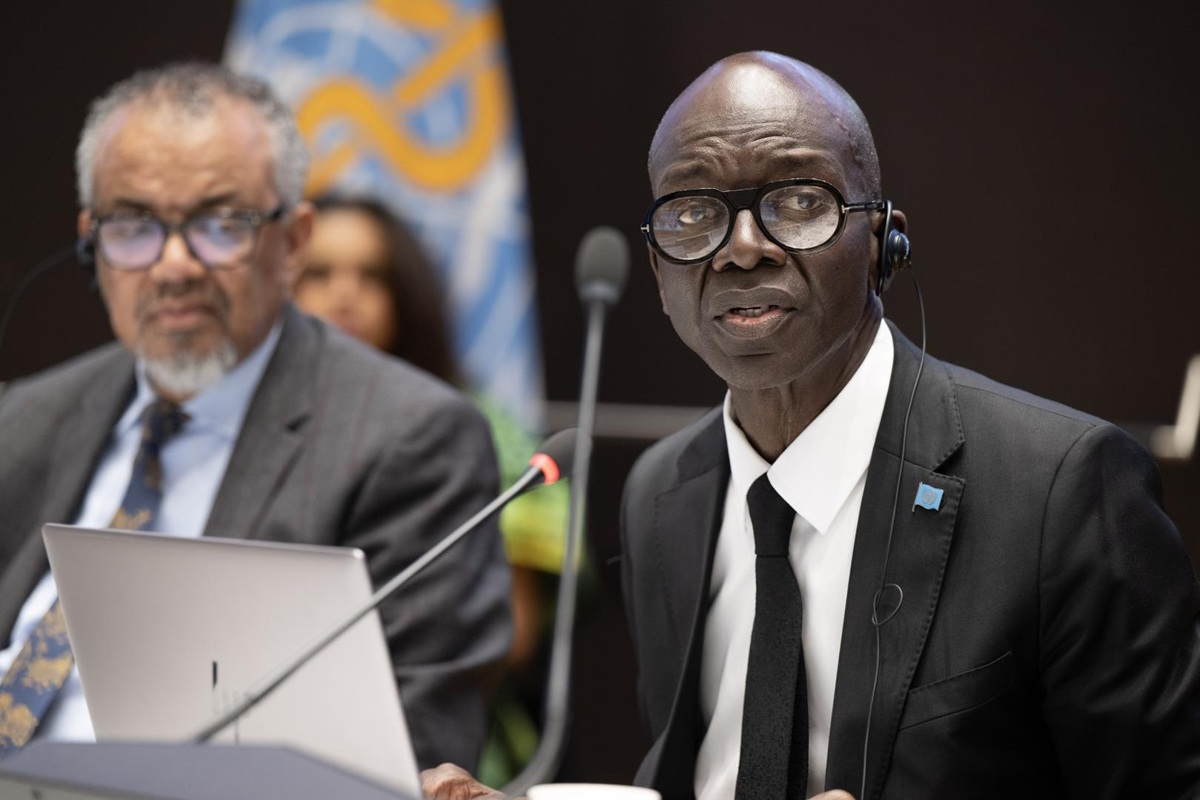
United Nations Population Fund (UNFPA) technical specialist for sexual and reproductive health Dr Peter Mukasa said that compared to other countries, Zimbabwe’s burden is relatively lower, although the impact on affected women remains severe.
“Relatively, I think Zimbabwe is better. I happen to come from Uganda, it has over 75 000 women living with fistula, that’s according to recent data. So 75 000 compared to 15 000, I think Zimbabwe is better. There are other countries also who are having the same issue. I think Ethiopia is almost having the same prevalence as Uganda. So Zimbabwe, relatively, I think is a better place,” he said.
Despite the relatively lower numbers, Dr Mukasa said the condition has devastating social and emotional consequences for those affected.
“So in Zimbabwe, the problem from the recent DHS, that is the Demographic Health Survey, indicates that 0.4 percent of women are actually living with this condition.
“And that translates to about 15 000 women and girls living with fistula in Zimbabwe which is not a small number because these are women leaking urine, being isolated in their communities, they are living alone. They are living in tears alone in their communities,” Dr Mukasa said.
Specialist obstetrician and gynaecologist at Gweru Provincial Hospital Dr Johannes Mukwembi said fistula repair camps are helping to expand treatment while also building local surgical capacity.
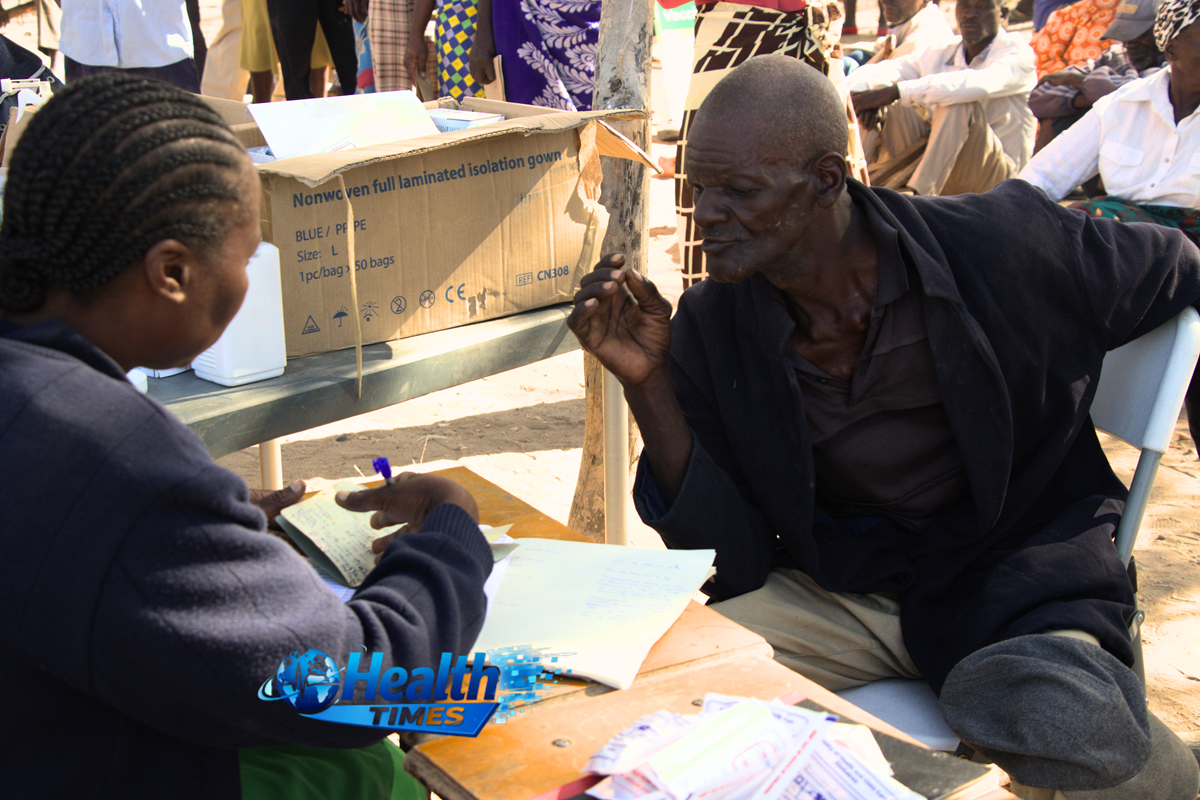
“We were projected to operate on about 45 clients who were on the national fistula register. These patients are identified through the national fistula programme which then selects hospitals to host quarterly repair camps. For this first quarter, Gweru Provincial Hospital was selected to host the camp.
“So far we have operated on 33 women with patients ranging in age from as young as 16 years. The response from our medical teams has been very encouraging because this is also an important learning opportunity for our doctors, nurses and trainee specialists,” he said.
Dr Mukwembi said the presence of experienced fistula surgeons from outside the country has been critical in reviving specialised surgical skills that had become rare locally.
“I have to say that the art of repairing complex fistula had almost become extinct in Zimbabwe due to the limited number of specialists performing these procedures. Having these camps in the country allows our local surgeons and registrars to learn these techniques and gain confidence in managing such cases.
“In the future, we want to see these repairs increasingly done by our local teams in our own hospitals. Once our doctors are fully capacitated, many of the simpler fistula cases will be managed locally without waiting for visiting teams which will greatly improve access to women across the country,” he said.