By Kuda Pembere
As East and Southern African (ESA) countries continue to grapple with inadequate sexual and reproductive health (SRH) services—particularly for adolescents and young people—Hivos’ Regional Sexual Reproductive Health and Rights (SRHR) Fund convened a high-level strategic meeting in Harare on Thursday.
The two-day event, held from Thursday to Friday, brought together a diverse group of stakeholders, including legislators, religious leaders, advocacy groups, and members of the judiciary. Central to the discussions was the contentious issue of the “age of consent” and its impact on access to SRH services across the region.
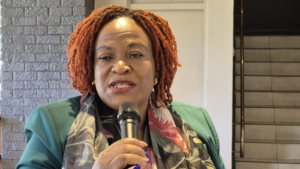
“We convened a Regional Orientation and Strategic Meeting for Regional SRHR Champions,” said Kudzai Meda, Policy Advocacy and Campaigns Programs Lead for the Hivos Regional SRHR Fund, in an interview with HealthTimes. “These champions are representing countries namely Uganda, Kenya, Zimbabwe, Zambia, as well as Malawi.”
Among the participants were human rights commissioners, parliamentarians, clergy members, and judicial officers—all playing key roles in shaping the future of SRHR in their respective countries.
According to Meda, the meeting also aimed to spotlight the challenges young people face in accessing SRH services.
“So basically, today’s meeting was about giving champions an overview of Hivos and, more importantly, focusing on the campaign that Hivos is leading around ‘consent to access.’ This initiative tackles age-related barriers that prevent adolescents and young people from accessing sexual and reproductive health services,” she explained.
The meeting also explored current trends, challenges, and opportunities within the regional SRHR landscape.
Meda highlighted that the champions were encouraged to develop localized action plans as part of their commitment to addressing SRHR challenges.
“The champions were urged to look deeply at how regional, continental, and global commitments—made by their governments—align with SRHR outcomes for adolescents and young people. Based on this, they’re developing action plans suited to their areas of influence,” she said.
“For instance, parliamentarians will create action plans that align with legislative approaches to address SRHR issues, particularly the age of consent.”
The champions are expected to define their specific roles, identify key stakeholders, and pinpoint existing opportunities within their countries and constituencies.
“Tomorrow, we’ll be digging deeper into opposition forces—identifying who or what might counter the progress of these action plans,” Meda added.
This regional dialogue comes in the wake of renewed ESA ministerial commitments to sexual and reproductive health and rights (SRHR), made in December 2021. One of the key goals of these renewed commitments is to integrate adolescent SRHR services into universal healthcare packages, ensuring young people receive the care they need as part of essential health services.
Recognizing that over 70% of Africa’s population is under the age of 30, ministers pledged to increase youth engagement in policy and decision-making processes. This includes supporting youth-led organizations and amplifying their voices at national and regional levels.
Another focus area is the improvement of comprehensive sexuality education (CSE), particularly in countries where its implementation remains inconsistent or unclear. The ministers agreed to strengthen the rollout and quality of CSE to ensure adolescents are equipped with accurate, age-appropriate information.
In addition, they committed to eliminating harmful practices such as early marriage and sexual and gender-based violence, which continue to disproportionately affect young women and girls across the region. The ministers also prioritized reducing the rate of new HIV infections among adolescent girls and young women, acknowledging their heightened vulnerability to the epidemic.
Legal reform was also highlighted as a critical barrier to overcome. Many existing laws restrict young people’s access to SRHR services and information. To address this, the ministers reaffirmed their intention to review and revise national laws and regulations to guarantee youth-friendly access to comprehensive sexual and reproductive healthcare, information, and education.
Finally, in light of declining donor funding for SRHR initiatives, the ministers acknowledged the need for stronger domestic resource mobilization. They committed to improving sustainable financing mechanisms to ensure the long-term availability and accessibility of SRHR services throughout the region.