
Michael Gwarisa
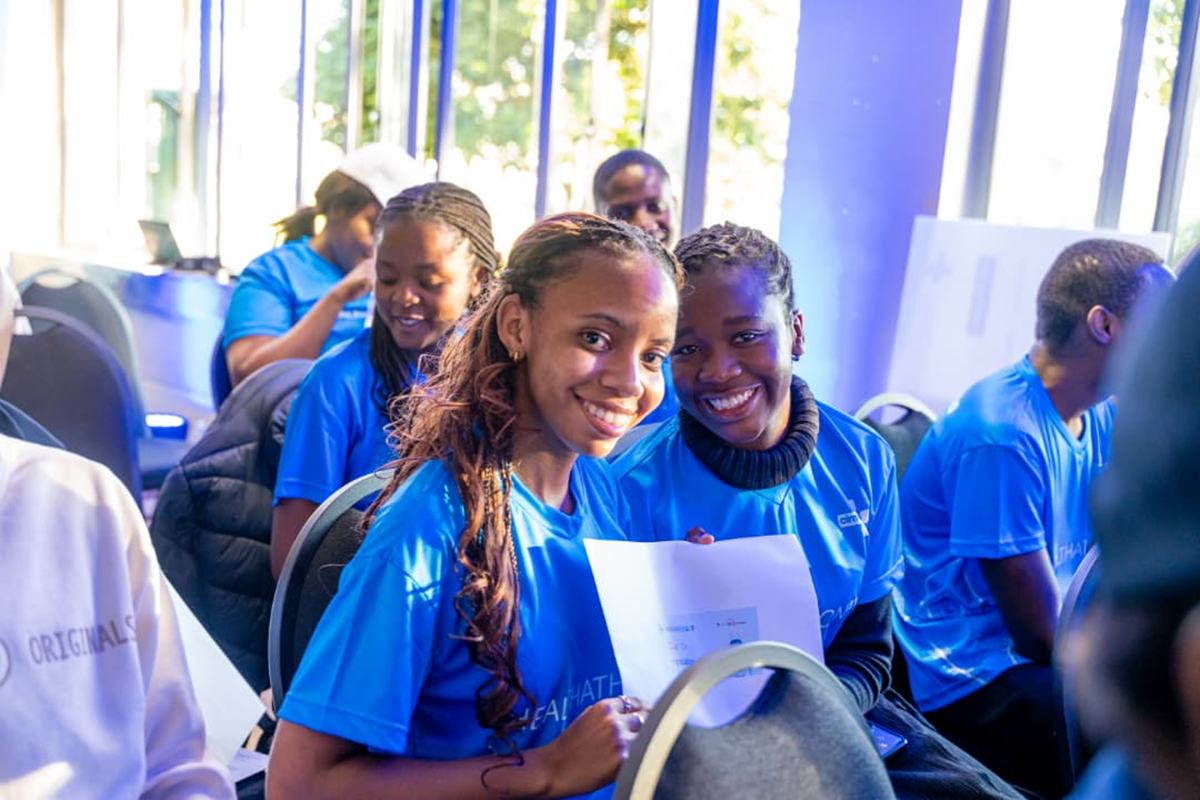
NAIROBI, Kenya — The World Health Summit Regional Meeting 2026 officially opened in Nairobi on Sunday, bringing together more than 2,000 global health leaders, policymakers, researchers, and development partners to push for stronger and more resilient health systems across Africa and beyond.
The high-level gathering is being held under the theme, Reimagining Africa’s Health Systems: Innovation, Integration and Interdependence, with discussions focused on strengthening health systems resilience, advancing universal health coverage, and accelerating practical solutions to emerging health challenges.
Hosted by Aga Khan University in partnership with the World Health Organization (WHO), Kenya’s Ministry of Health, and the Africa Centres for Disease Control and Prevention (Africa CDC), the meeting will feature more than 80 sessions over the coming days.
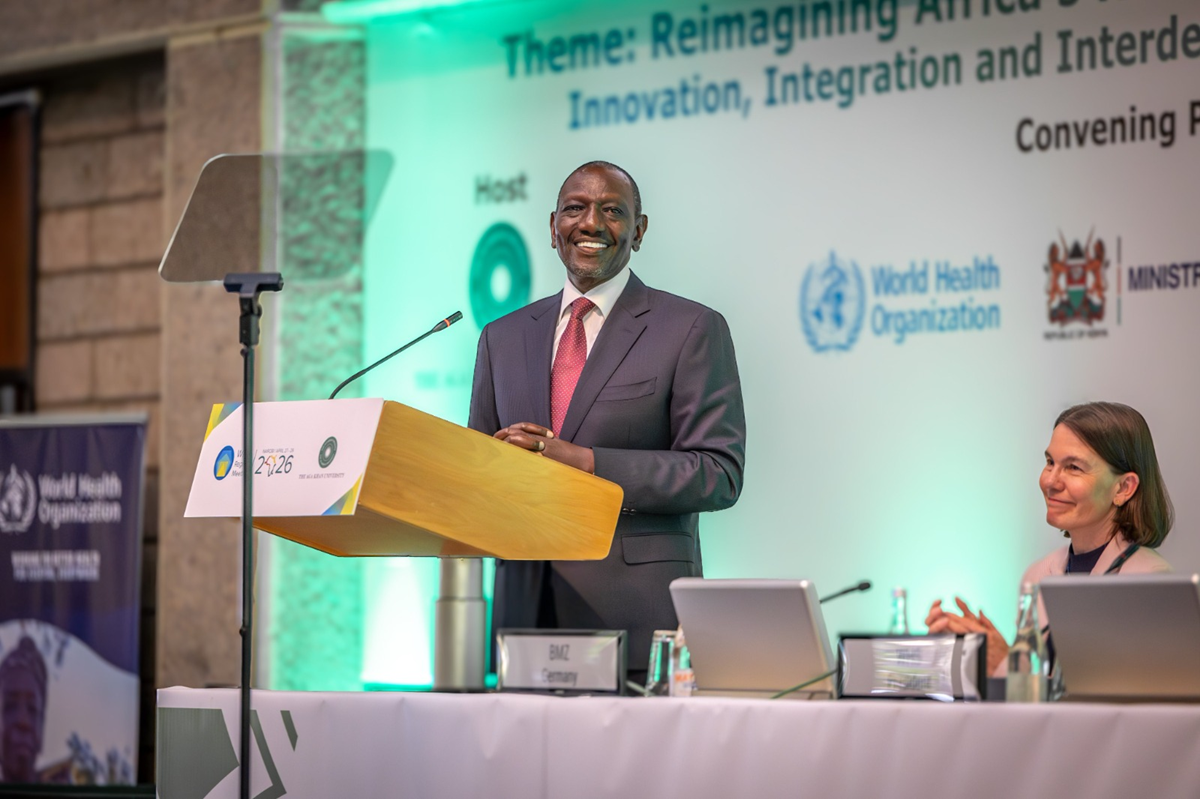
The summit was officially opened by Kenyan President William Ruto, who called for a major shift in how Africa is positioned within the global health architecture.
President Ruto said African governments, health institutions, donor agencies, and implementing partners must move away from fragmented interventions and embrace system-wide transformation built on ownership, investment, and accountability.
“This imbalance is neither sustainable nor tenable. It calls for a decisive and deliberate shift from fragmented, piecemeal interventions to comprehensive, system-wide transformation anchored in coherent strategy, financed through both domestic and international capital, and sustained by strong governance and accountable institutions,” said President Ruto.
He said Africa possesses unique strengths that must be fully harnessed, positioning the continent as a source of scalable solutions rather than a place defined by persistent health challenges.
World Health Summit President Prof. Axel Pries said the Nairobi meeting reflects Africa’s growing influence in shaping the global health agenda.
“Our role is to convene leaders from across sectors and regions, and the goal is clear: to translate dialogue into practical action that strengthens health systems regionally and worldwide,” he said.
Prof. Lukoye Atwoli said the summit marked a turning point for the continent’s role in global health policymaking.
“For too long, Africa has been the subject of global health discussions held elsewhere, by others. Today, with delegates from more than 50 countries gathered on African soil, we are asserting something fundamental: that African institutions, African researchers, and African policymakers are not consumers of global health policy, we are its co-authors,” he said.
He added that the summit would help move the continent “from the language of intention to the architecture of implementation.”
Aga Khan University President and Vice Chancellor Dr. Sulaiman Shahabuddin acknowledged that major challenges remain, including climate change, chronic diseases, limited financial resources, the digital divide, and inequity.
However, he said Africa’s health sector is now better positioned than ever to integrate systems, harness technology, and train the workforce needed for quality care and ethical leadership.
For the WHO, the summit reinforced the urgency of scaling proven approaches to universal health coverage through strong primary health care systems.
Dr. Mohamed Yakub Janabi, WHO Regional Director for Africa, described the summit as a historic first.
“This Summit offers the kind of collaboration required to meet the challenges of the moment. The themes being discussed are deeply interconnected and will result in a blueprint for a new Africa that reflects a shift from addressing individual challenges to building a coherent health ecosystem,” he said.
Kenya also described hosting the summit as both a diplomatic and policy milestone.
Principal Secretary for Public Health and Professional Standards Mary Muthoni said health security must be treated as a national priority.
“Global health security is not a luxury; it is a prerequisite for national stability. We must move from reactive crisis management to proactive pandemic preparedness,” she said.
Africa CDC Director General Dr. Jean Kaseya emphasized the importance of African-led solutions in building health sovereignty and resilience.
“Africa’s health security and sovereignty depend on our ability to finance and build resilient systems at scale,” he said.
He said the Nairobi summit provides a critical platform to mobilize investment, strengthen partnerships, and reduce dependency while expanding access to quality healthcare across the continent.
Academic and research leadership were also highlighted as key pillars for strengthening evidence-based responses to Africa’s health challenges.
Leaders at the summit stressed that the Nairobi meeting should not remain a platform for discussion alone, but should lead to measurable action and stronger collaboration among governments, development partners, and health institutions.
As the summit continues, further discussions are expected around health financing, workforce development, digital health innovation, climate change, and health system preparedness.
The World Health Summit, founded in 2009, is regarded as one of the leading global health platforms, bringing together leaders from politics, science, the private sector, and civil society to shape the future of global health.
Its annual flagship summit is held every October in Berlin, Germany, while regional meetings are hosted in different parts of the world to focus on local and regional priorities.
This year, Nairobi stands at the center of that conversation, with African leaders making it clear that the continent intends not only to participate in global health decisions, but to lead them.